Peru Signs Free Trade Deal With Thailand
Peru has added a free trade deal with Thailand to its Asian network. Neither government has given a firm date for when it will take effect.

Economy: Peru
Peru and Thailand signed a free trade agreement on Thursday 19 November 2026 in Shenzhen, China, during the leaders’ week of the Asia-Pacific Economic Cooperation (APEC) forum. Peru’s government says trade minister Rogers Valencia and Thailand’s commerce minister, Suphajee Suthumpun, signed for their governments.
Peru’s Presidency says the share of tariff lines with preferential treatment would rise from 66% to 94% once the deal takes effect. Peru’s trade ministry (Mincetur) has not published the treaty text where the figure can be checked.
Key Facts
- Who. Peru and Thailand, represented by trade ministers Rogers Valencia and Suphajee Suthumpun.
- What. A free trade agreement replacing a goods-only protocol that has been in force since 2011.
- Where. Shenzhen, China, during the leaders’ week of the APEC forum.
- Power Index. Peru ranks 5th of 14 in The Rio Times Latin America Power Index, with 53.9 points (November 2026 edition).
- As of. 19 November 2026, 23:30 GMT.
Peru has added a free trade deal with Thailand to its Asian network. Neither government has given a firm date for when it will take effect.
The signing closes a negotiation that Peruvian officials describe as about ten years old, restarted after a long stalemate and declared substantially concluded in December 2025. Until now trade has run on a protocol covering goods only, which has been in force since 2011 and was updated in November 2023.
On 1 September 2026 Valencia said the text was ready and that signature would come in October or November. The new agreement adds services, entry for business visitors, and rules on competition, trade defence and intellectual property, none of which the old protocol covered.
Peru already has trade agreements with China, Japan, South Korea and Singapore, and the Thai deal widens that Asian network. It also sits alongside the Chancay megaport, the Chinese-backed Pacific harbour north of Lima that opened in November 2024 to shorten shipping times to Asia.
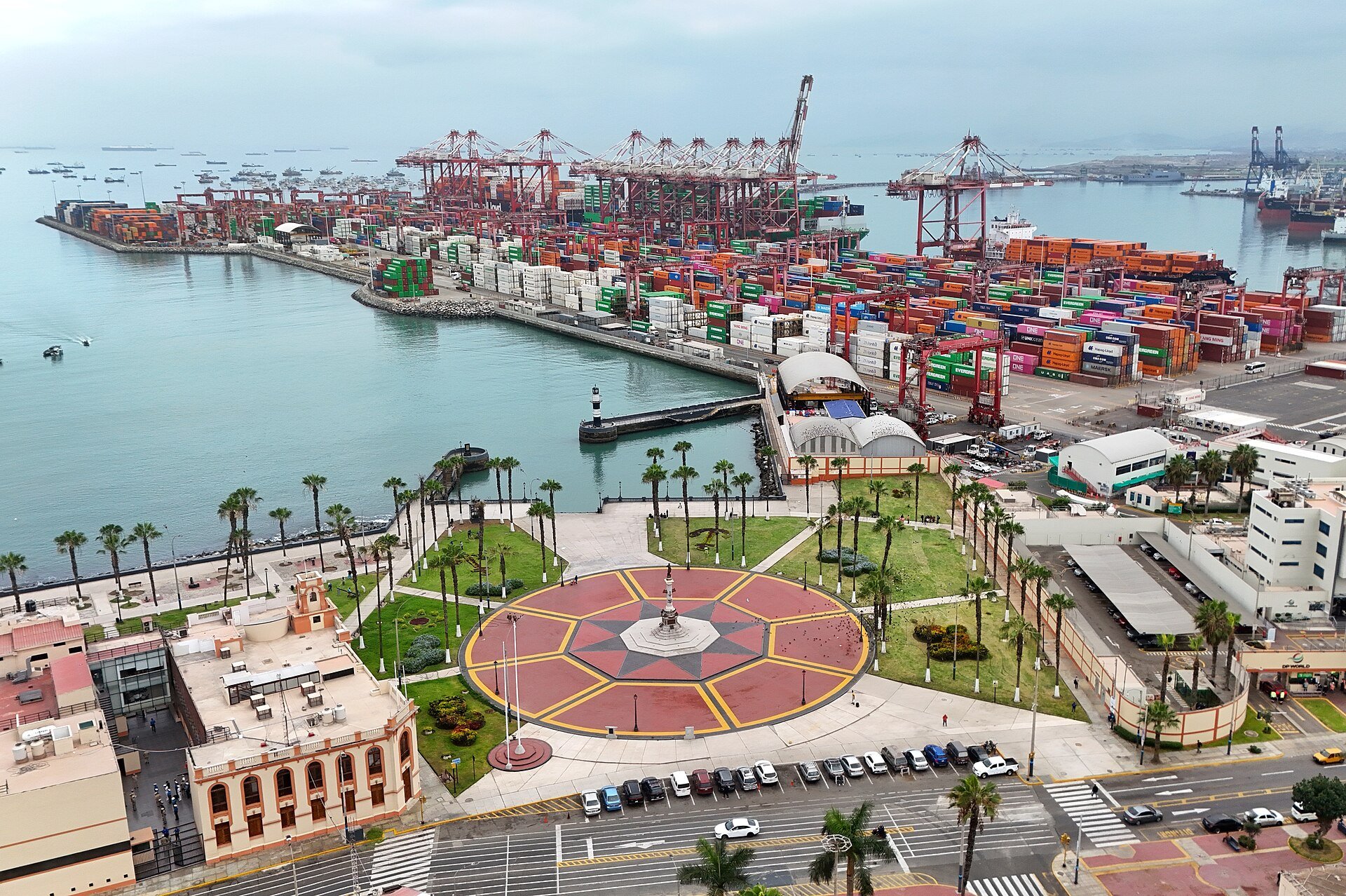
Mincetur’s stated aim is to lock in tariff preferences and diversify export destinations, especially for fisheries, mining and farm goods. Peru’s Presidency names wooden furniture, fruit juices, honey, pet food and fishmeal as likely gainers, with blueberries part of Peru’s wider offer.
Giant squid, known in Peru as pota, is already the country’s main export to Thailand. Peru’s Presidency puts total exports to Thailand at US$120 million in 2025, up 8.8% on the year.
President Keiko Fujimori said on 9 November that the treaty would be signed “in the coming days”. The government authorised Valencia’s trip to China under Supreme Resolution 312-2026-PCM (a Council of Ministers resolution), which covers 14 to 21 November.
For US readers, the agreement leaves Peru’s own trade deal with Washington, in force since 2009, untouched. It gives Peruvian exporters of blueberries, grapes and avocados another large buyer in Asia, which matters as US tariff policy keeps shifting.
Neither government has given an entry-into-force date, though Thailand expects its exporters to benefit from 2027. Thailand’s Commerce Ministry will submit the pact to its Parliament, and Peru has not said whether its Congress must vote.
Frequently Asked Questions
What does the Peru-Thailand deal change?
It widens a goods-only arrangement into a full agreement that also covers services and business travel. The tariff benefit only starts once both countries bring the treaty into force.
Is the agreement already in force?
No. Both countries still have to complete their own approval steps, and no firm date has been given.
Why does it matter outside Peru?
It shows Peru spreading its export bets across several Asian buyers at once. For American importers of Peruvian fruit, it adds a competing destination for the same crops.
Sources
Published Thursday 19 November 2026 · Source: Peru’s Ministry of Foreign Trade and Tourism; Supreme Resolution 312-2026-PCM; statements by President Keiko Fujimori; Mincetur
In depth
This article was produced by The Rio Times’ automated AI newsroom. Editorial responsibility: Matthias Camenzind, Publisher and Editor-in-Chief. The Rio Times also runs Ask Rio Times, which answers from 100,000+ of our own articles, the daily Latin America Power Map, and prediction-market odds on elections and markets.. How we use AI · Report an error