Peru Says No to Funding Brazil-Pacific Railway as China Invests in Chancay Port
Peru’s government has clearly stated it will not pay for or take part in a planned railway that would connect Brazil’s Atlantic coast to Peru’s new Pacific port at Chancay.
Peru’s Prime Minister, Eduardo Arana, confirmed that Peru has not approved the project and will not invest public money in it. He explained that while Brazil and China have agreed to study the idea, Peru has not joined those talks and does not feel obligated to do so.
The proposed railway would start in Ilhéus, Brazil, and cross several Brazilian states before reaching Chancay. The project could cost at least $10 billion, and possibly much more, depending on the final route and technical challenges.
Brazil and China have begun five years of studies to see if the project is possible, but Peru’s government will only consider allowing it if private investors cover the costs and meet all legal requirements.
Chancay port, which opened in 2024, is a major new shipping hub built with $1.3 billion from China’s COSCO Shipping and Peru’s Volcan Mining. The port can handle the world’s largest container ships and aims to move one million containers a year.
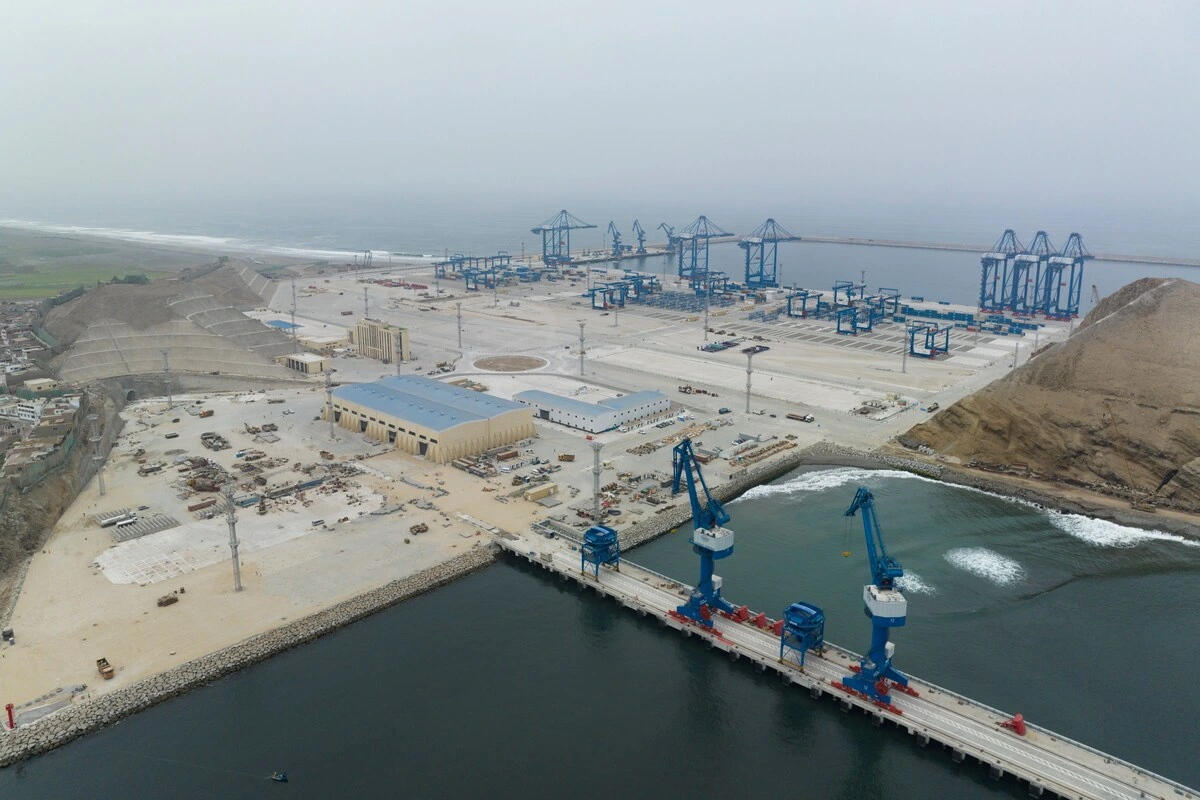
Its direct route to Shanghai cuts shipping times to Asia by about two weeks and lowers transport costs by up to 20 percent. The port is expected to bring in $4.5 billion a year and create over 8,000 jobs in Peru.
China sees Chancay as a key part of its global Belt and Road Initiative, which builds trade links and infrastructure around the world. Brazil hopes the railway will give its exports faster access to Asian markets.
But Peru’s refusal to invest shows it is cautious about taking on huge costs and risks for a project led by foreign interests. This decision highlights how Peru is putting its own priorities first, even as China expands its role in South American trade.
The story reflects bigger questions about who pays for new trade routes and who benefits most from them. For now, Peru is keeping control over its infrastructure and watching carefully as others push for change.
More: Latin America news in English, every day from The Rio Times.
This article was produced by The Rio Times’ automated newsroom system. How we use AI · Report an error
Read More from The Rio Times