Knife Attack in Rural Brazil School Stuns Tight-Knit Community
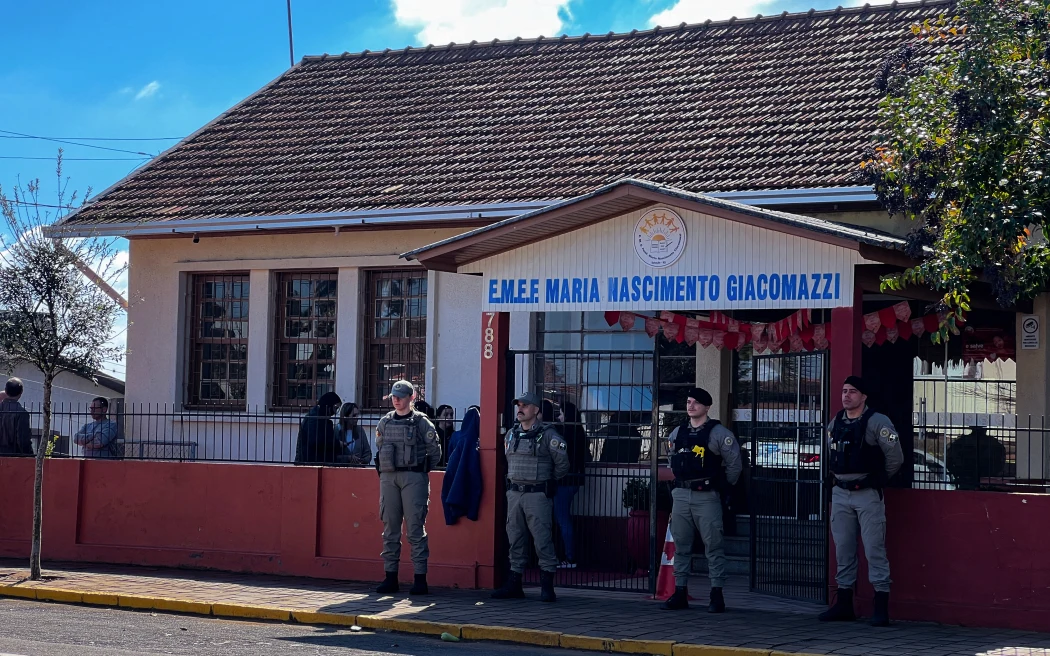
Authorities in Rio Grande do Sul, Brazil, confirmed that a 16-year-old attacked the Maria Nascimento Giacomazzi Municipal School in Estação on July 8, 2025.
The attacker, who was known in the community and receiving psychological treatment, entered the school pretending to deliver a resume. He set off firecrackers to cause panic, then stabbed third-grade students and a teacher.
A 9-year-old boy died from his injuries, while an 8-year-old girl and a 34-year-old teacher were wounded. Quick action from local residents stopped the attacker until police arrived and arrested him.
Estação is a rural town with about 5,500 people. The school is central to daily life, and the attack has left the community deeply shaken. The municipality suspended all classes and provided psychological support for students, staff, and families.
The police continue to investigate the motive and whether the attack was planned. This tragedy is not isolated. Brazil has seen a sharp rise in school violence over the past decade.
Official data shows reported cases grew from 3,700 in 2013 to 13,100 in 2023. Physical assaults make up about half of these incidents, while psychological and sexual violence account for nearly a quarter each.
Rising Student Self-Harm Sparks Mental Health Crisis
In 2023 alone, 2,200 cases involved self-inflicted violence among students, highlighting a growing mental health crisis. The government has responded with new funding for school security and mental health programs.
Some states have placed police officers in schools, while others focus on training staff to spot warning signs. Critics say these actions do not fully address deeper issues like poverty, lack of support for teachers, and inadequate mental health care.
The attack in Estação shows that violence can reach even the most peaceful communities. It reminds us that keeping schools safe means more than adding fences or cameras.
Real safety comes from supporting students’ mental health, building strong communities, and staying alert to early warning signs. The facts make clear that preventing such tragedies requires ongoing commitment from everyone.
This article was produced by The Rio Times’ automated newsroom system. How we use AI · Report an error
Read More from The Rio Times