PERU · ELECTIONS
Key Facts
- The vote Peru elects regional governors, mayors and councillors on Sunday 4 October 2026; polls open from 7 a.m. to 5 p.m. Lima time.
- The schools The Education Ministry said on 29 September that 10,728 public and private schools will be at the exclusive disposal of the electoral body ONPE.
- The tables ONPE plans 89,935 voting tables and drew 809,415 citizens by lot in July to staff them; schools pass to ONPE from 4 p.m. on 2 October.
- The count ONPE’s 125 counting centres ran a stress test on 29 September, after a full simulation of the results system on 27 September.
- Security Police guard the outside of polling places and the armed forces the inside, under ONPE rules updated this year.
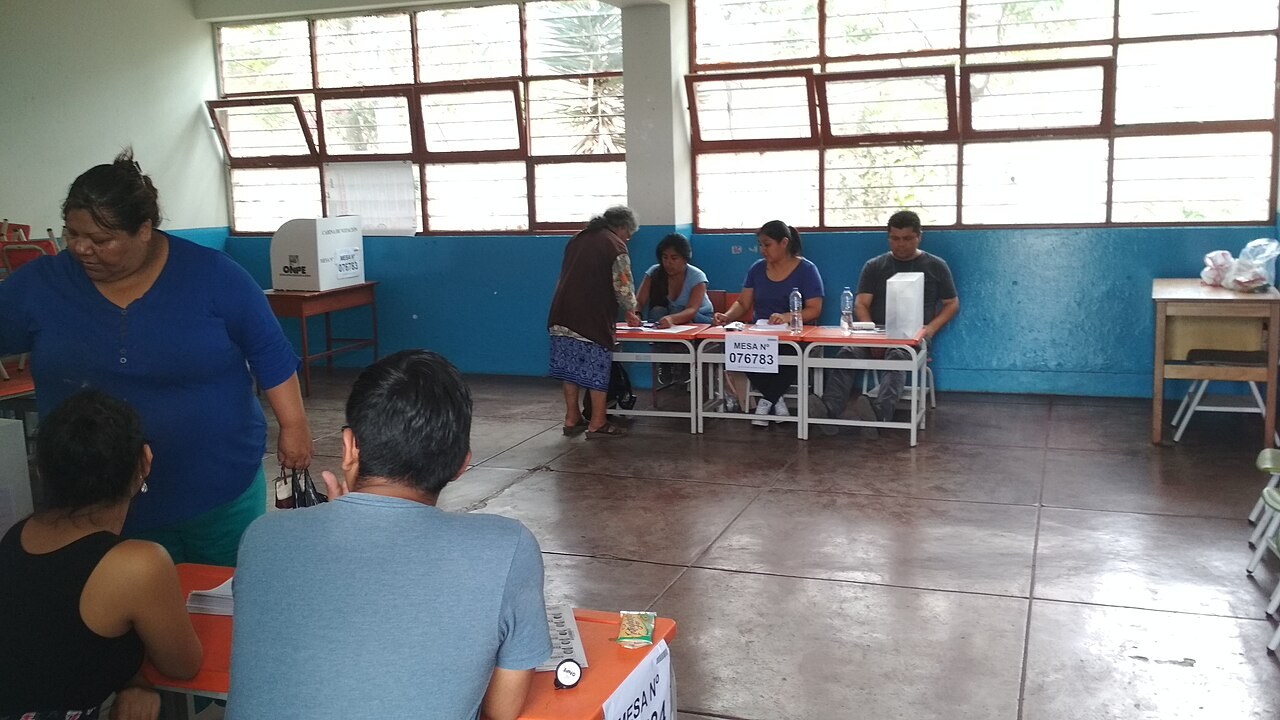
Peru polling stations will fill more than ten thousand schools this weekend, as the electoral body ONPE finishes its tests.
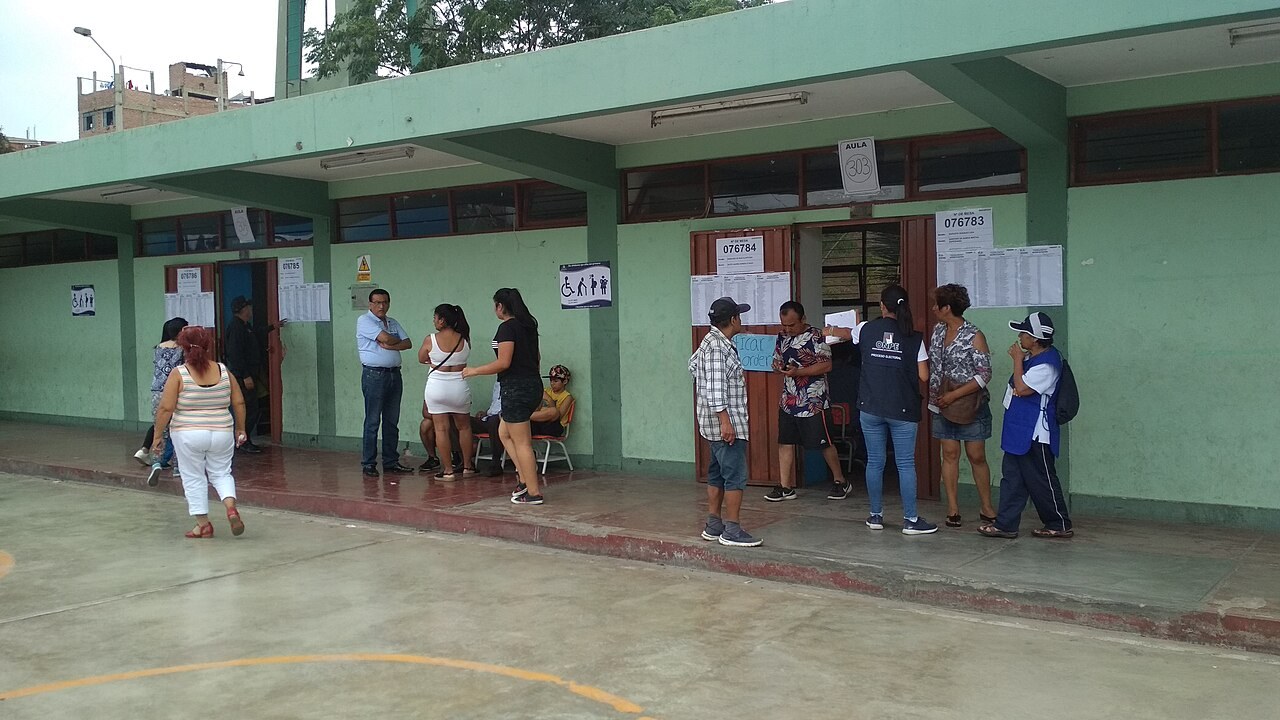
Peru’s Education Ministry will hand 10,728 public and private schools to the national electoral body, ONPE, for Sunday’s regional and municipal elections. The schools pass to ONPE at 4 p.m. on Friday 2 October and return at 6 p.m. on Monday 5 October.
What Peru votes on this Sunday
Peruvians choose regional governors, mayors and local councillors on 4 October 2026. The vote does not change the national government, which Peru elected earlier this year.
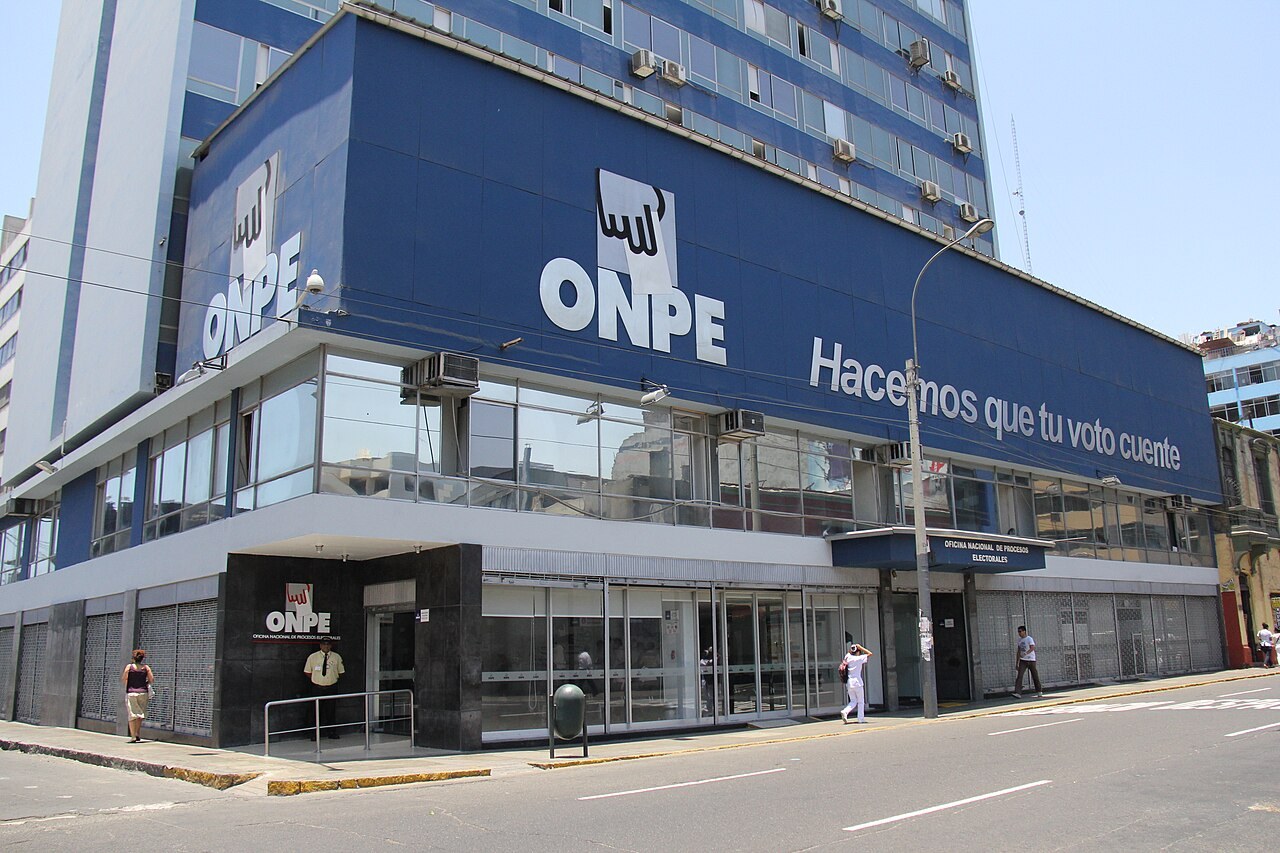
The Oficina Nacional de Procesos Electorales, known as ONPE, organises Peruvian elections. We set out the size of the vote, and the deployment of more than 6,800 prosecutors, in our earlier report.
Polls open at 7 a.m. and close at 5 p.m. Lima time. Poll workers must report to their tables at 6 a.m., ONPE’s training manuals say.
ONPE plans 89,935 voting tables, each with its own tally sheet. In July it drew 809,415 citizens by lot to staff them, three members and six substitutes per table.
Absent poll workers are fined S/275 (about US$80, at 3.44 soles per dollar on 29 September). ONPE warns that a polling place can change even on election day, so voters should check first.
Why schools become polling stations
The Education Ministry, Minedu, announced this year’s list in a statement on 29 September. It covers public and private schools in every region of the country.
It said 10,728 institutions, public and private, will be at ONPE’s “exclusive disposal” for the election, Caretas reported. Minedu had told regional education offices on 15 September, in a formal letter.
School directors must help set up the voting rooms. After the count they must check that the buildings come back in the condition they were handed over.
ONPE also used school buildings to prepare. On Sunday 27 September it opened more than 4,000 venues nationwide for a second mass training day for poll workers.
Poll workers are ordinary citizens drawn to staff the voting tables. Those who missed the sessions can still train at ONPE offices or on its online platform, ONPEduca.
What it means for pupils and parents
Classes stop in the affected schools from Friday afternoon until Monday evening. Minedu says the lost teaching hours must be recovered, in person and without exception.
Regional education directorates and local offices, known as UGEL, will organise the make-up time. Minedu says the school calendar will still be met.
For families, including foreign residents with children in Peruvian schools, that means a short break and a later catch-up. Each school will set its own recovery dates.
How ONPE has tested the count
ONPE runs 125 decentralised electoral offices, known as ODPE, each with its own counting centre. All 125 ran a stress test on Tuesday 29 September.
Staff processed fictitious tally sheets in numbers close to those expected on election night. They also rehearsed problem cases, such as tables that never opened and lost or damaged sheets.
Disputed sheets go to the special electoral juries, the local panels that rule on contested results. On Sunday 27 September ONPE also ran an official simulation of its results software and data transmission.
Moving the ballots into place
ONPE finished sending material to its 94 offices outside Lima on Saturday 26 September, after starting on 18 September. The last delivery reached Pomabamba, in the Andean region of Áncash.
The lorries carried ballots, tally sheets, voter lists, booths and ballot boxes, with an ONPE official aboard each one. Satellite tracking followed every vehicle from ONPE’s depot in Lurín, south of Lima.
Spare ballots travel too, in packs of 50 for each collection point inside a polling place. Larger venues with many tables have more than one such point.
Lima and Callao come last. From 10 p.m. on Friday 2 October, 250 vehicles will carry material straight to 2,115 polling places in the capital region.
About 6,000 Braille templates will go to those venues, at least two each. They let blind voters mark their own ballots.
Who keeps order on the day
ONPE’s interim head, Bernardo Pachas Serrano, met the armed forces’ joint chief and the police commander on 28 September. ONPE says the coordination began months earlier.
The police will guard the outside of polling places and enforce the ley seca, a ban on alcohol sales around the vote. Soldiers will keep order inside the buildings.
Each force can cover for the other where troops or officers are short. The rules come from an ONPE resolution that updated election security this year.
Weather is the other risk. ONPE approved a contingency plan in September for districts under an El Niño emergency, with complementary elections if damage is severe.
With tests passed and material in place, the open questions are turnout and conduct on the day. After the polls close, the 125 counting centres take over.
More: Peru news, every day from The Rio Times.
Frequently Asked Questions
How many schools will be used as polling stations in Peru?
The Education Ministry says 10,728 public and private schools will be handed to the electoral body ONPE. They will host the 4 October 2026 regional and municipal elections.
When are classes suspended in schools used for voting?
The schools pass to ONPE from 4 p.m. on Friday 2 October until 6 p.m. on Monday 5 October. The Education Ministry says the lost class hours must be made up in person.
What are the voting hours in Peru on 4 October?
Polling places open at 7 a.m. and close at 5 p.m. Lima time. Poll workers must arrive at 6 a.m. to set up their tables.
\n
What is the background to Peru Polling Stations?
\n
Police guard the outside of polling places and the armed forces the inside, under ONPE rules updated this year.
\n
Sources: Caretas · Ministry of Education (Minedu), Comunicado 11-2026 · ONPE, counting-centre stress test · ONPE, electoral material distribution · ONPE, security coordination · ONPE, poll-worker training · ONPE, polling places and poll workers · ONPE, tally sheets · ONPE, El Niño contingency plan
In depth
This article was produced by The Rio Times’ automated AI newsroom. Editorial responsibility: Matthias Camenzind, Publisher and Editor-in-Chief. The Rio Times also runs Ask Rio Times, which answers from 100,000+ of our own articles, the daily Latin America Power Map, and prediction-market odds on elections and markets.. How we use AI · Report an error