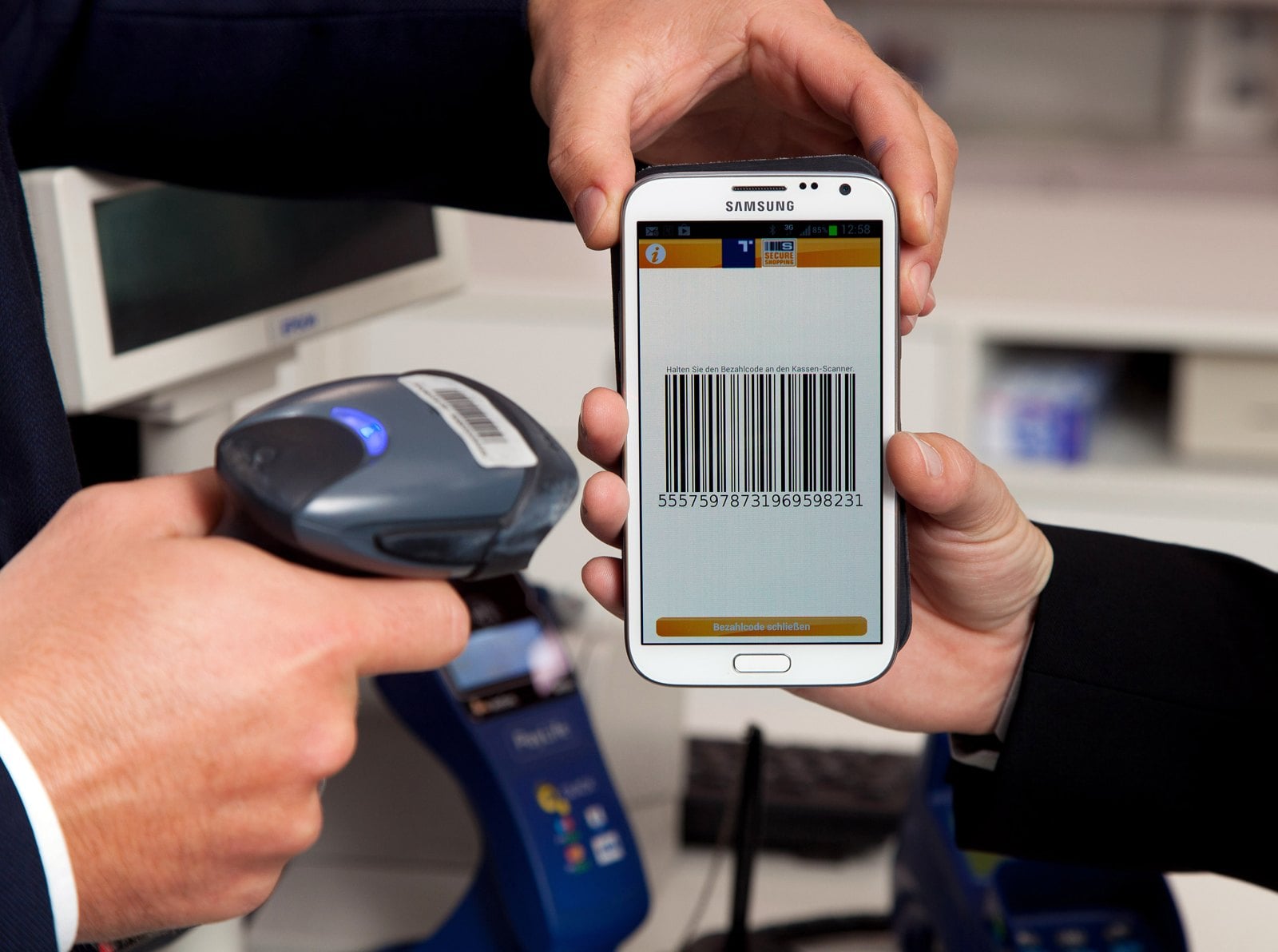
The real shift here is identity — turning a citizen number into a payment address. This removes a major barrier for people who have never memorized a bank account or owned a smartphone with a data plan.
If you live in Peru or send money there, instant payments are about to get simpler. The central bank (BCRP) issued Circular 0017-2026.
It lets people send and receive instant interoperable payments using their national ID card number (DNI) as the alias. You no longer need to rattle off a 20-digit account number.
You do not need to ask for someone’s phone number. You just need their DNI.
The system must work across all banks, cajas, fintechs, and wallets. It must operate 24 hours a day, 365 days a year, and settle in soles.
Each transfer is capped at S/30,000 (about US$8,300). Individual providers can set lower limits if they want.
The rule takes effect 60 days after publication. Do not expect every institution to flip the switch on day one.
Implementation will vary.
Key Facts
- Alias rule Peruvians can now link their national ID (DNI) as the alias for instant interoperable payments, not just phone numbers or QR codes.
- Transfer cap Each transaction is limited to S/30,000 (about US$8,300), though providers may set lower limits for security.
- 24/7 access The service must run continuously, all day, every day of the year, in Peruvian soles.
- Full interoperability Banks, cajas, fintechs, and digital wallets must connect with each other under the new rules.
- No account numbers The system is designed to work using an alias instead of a traditional bank account number.
- Implementation window The regulation takes effect 60 days after publication, but actual availability depends on each institution’s rollout.
Why the DNI Alias Changes the Game
Digital payments in Peru have been growing for years. They still hit a wall when someone asks for your account number.
Most people do not know their bank account details by heart. They might have them saved in a notes app or on paper at home.
That friction makes many people hand over cash instead. The BCRP’s new rule removes that friction.
You can use your DNI as your payment address. It is the same number you use for everything from voting to opening a bank account.
This matters because the DNI is universal in Peru. Nearly every adult has one.
It is not tied to a specific bank or telecom provider. If you have a DNI, you have a payment alias.
That is a huge step for financial inclusion. It helps people who are unbanked or underbanked.
They do not need to learn a new system. They just link their DNI to an account or wallet.
Then they can start receiving money. For a domestic worker, a street vendor, or a freelancer, this could be the gateway to formal financial services.
Interoperability Is the Backbone
The rule does not just add a new alias option. It also mandates that the whole system be interoperable.
A person with an account at Banco de Crédito can send money instantly to someone using a small caja municipal. They can also send to a fintech wallet like Yape or Plin.
No more walled gardens. No more “I can’t send to that app.” The BCRP is forcing the entire ecosystem to talk to each other.
This is a big deal for competition. Smaller players, including fintechs and cajas, have often struggled.
Their users could not easily exchange money with users of the big banks. Now, interoperability is a regulatory requirement.
That could level the playing field. It also gives consumers more choice.
It makes the system more useful for everyone. If you know someone’s DNI, you can pay them.
It does not matter where they bank.
What This Means for You
If you are an expat, a nomad, or an investor with ties to Peru, watch this change. It makes paying for services, rent, or freelance work in Peru much easier.
You can send money to a contractor using just their DNI. They will get it instantly, even at 2 a.m. on a Sunday.
That is a practical improvement. It helps anyone managing property, paying local staff, or settling invoices with Peruvian suppliers.
For investors, the broader point is about payments infrastructure. Peru is signaling that it wants a modern, inclusive, real-time payment system.
That is attractive for fintech investment. It also helps businesses that rely on fast, cheap, and reliable money movement.
It reduces reliance on cash. That lowers costs for businesses and increases transparency.
The S/30,000 (about US$8,300) cap is high enough for most everyday transactions. It is low enough to keep risk manageable.
The rule requires 24/7 operation. You will not be stuck waiting for a business day to move money.
The Road Ahead
Do not expect everything to work perfectly on day one. The BCRP has set the regulatory framework.
Each bank, caja, and fintech has to build or adapt its systems. They must support DNI-based aliases and full interoperability.
That takes time. Some institutions will be fast.
Others will drag their feet. In the meantime, you can still use phone numbers or QR codes for instant payments.
The DNI option is an addition, not a replacement.
The bigger question is whether this pushes more Peruvians into the formal financial system. The central bank’s move is clearly aimed at that goal.
The payment address is something everyone already has. That is their national ID.
The BCRP is lowering the barrier to entry. It is a simple idea with potentially profound effects.
If you live in or invest in Latin America, this is the kind of policy shift that can quietly reshape how money moves. Peru’s instant payments are becoming more accessible.
That is good for everyone who does business there.
More: Peru news in English, every day from The Rio Times.
Sources: Banco Central de Reserva del Perú (BCRP), Circular 0017-2026; Infobae Perú, 2026.
Frequently Asked Questions
Can I use my DNI right now to receive payments?
Not yet. The regulation takes effect 60 days after publication.
Each bank, caja, or wallet must implement the feature on their own systems. Check with your provider for their specific rollout date.
Is there a limit on how much I can send?
Yes, the BCRP caps each transfer at S/30,000 (about US$8,300). Individual providers may set lower limits for security reasons.
Your actual cap could be less.
Do I need a bank account to use this system?
You need some kind of account or digital wallet that is part of the interoperable system. That could be a traditional bank account, a caja account, or a fintech wallet.
You do not need a traditional bank account. You do need a participating financial service.
Connected Coverage
This article was produced by The Rio Times’ automated AI newsroom. Editorial responsibility: Matthias Camenzind, Publisher and Editor-in-Chief. The Rio Times also runs Ask Rio Times, which answers from 100,000+ of our own articles, the daily Latin America Power Map, and prediction-market odds on elections and markets.. How we use AI · Report an error
Expat Guide to Peru
What The Rio Times publishes for foreigners who live in or move to Peru.
Start here
- Arequipa City Guide, Government, Projects and Safety
- Lima Rent for Foreigners in 2026 Averages US$979 a Month
- Peru Education and Healthcare Explained
- Peru’s New Crime Command and What It Means for Visitors
City guides
Coming up in Peru
- Hardwell Lima Bans Everyone Under 16 13 Nov
- Cypress Hill Plays Lima, Peru, on 13 November 2026 13 Nov
- Pope Leo Mass in Lima, 16 Nov 2026: Free Tickets 16 Nov
- Pope Leo XIV in Lima and Cusco, 11 to 16 November 2026 16 Nov
Understand Peru