Open a Bank Account in Peru as a Foreigner in 2026
GUIDES · PERU
Key Facts
- —What it is A Peruvian account, either full banking with a residence card or a capped basic account with a passport.
- —Who it’s for Foreign residents, newcomers awaiting residency, remote workers and retirees who need local payments.
- —What it costs Fees vary by bank and product; some digital savings accounts charge no maintenance fee.
- —Why it matters A local account unlocks rent, salaries, utilities, Yape and Plin payments, and cheaper inbound transfers.
- —The catch Branch staff apply rules unevenly, and basic accounts carry balance and movement caps.
What a foreigner can open in Peru in 2026 depends on one document. The residency card unlocks full banking, and a 2025 rule lets a passport open a capped basic account.
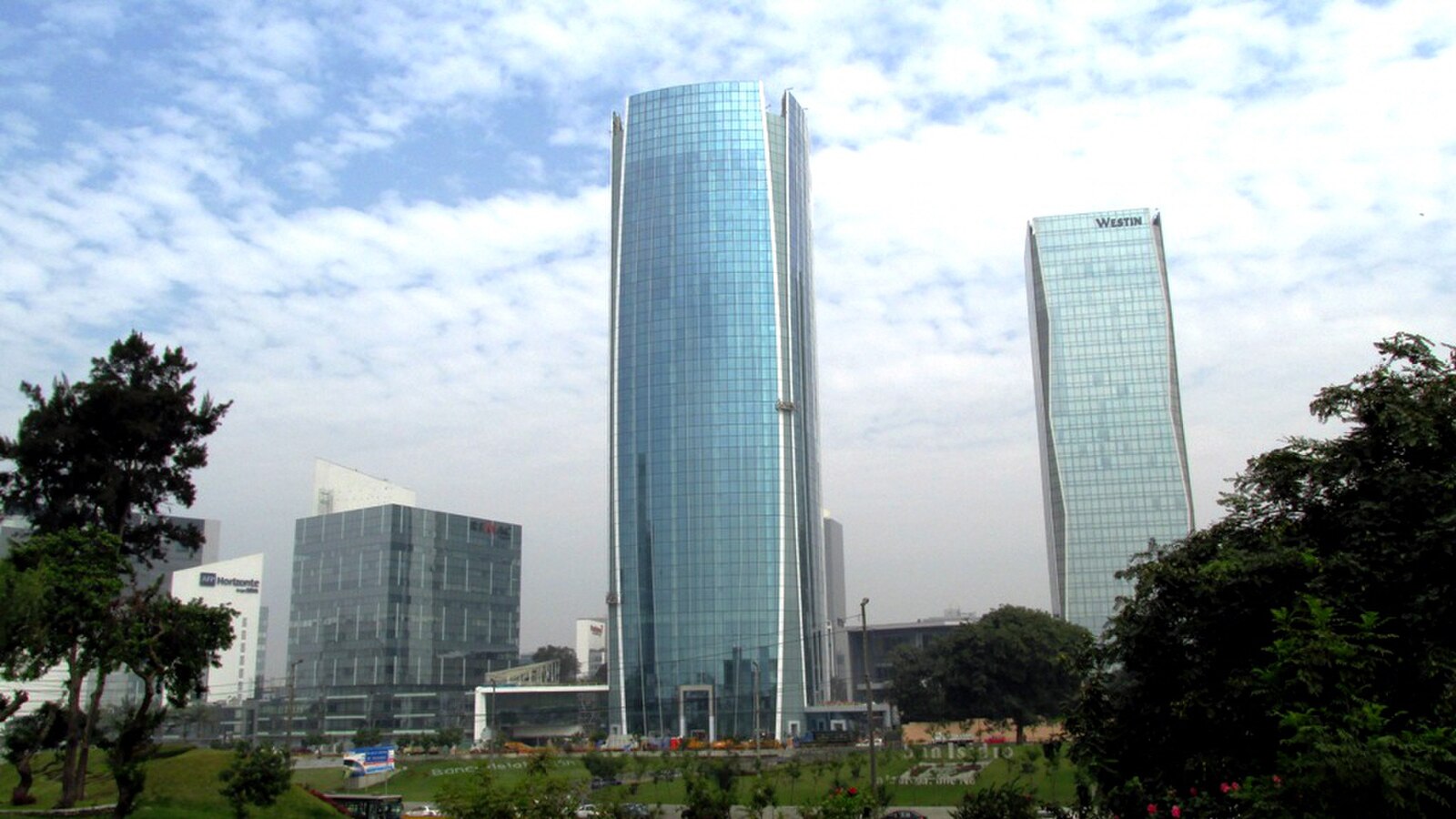
Full banking still requires the Carné de Extranjería, the foreign resident card. Since 16 June 2025, a banking-regulator rule also accepts a passport for simplified basic accounts.
The residency gate and the 2025 passport rule
For most of the past decade, a Peruvian bank account required a DNI, the national ID, or a Carné de Extranjería. The card is issued by Migraciones, the immigration authority, once a residence permit is approved.
That is still the practical gate for standard savings, salary and current accounts. With the card, you can usually open an account on near-local terms.
The notable change came from the SBS, the Superintendency of Banking, Insurance and Pension Funds. Its Resolution 00908-2025, published in the official gazette in March 2025, took effect on 16 June 2025.
It widened the documents accepted for a cuenta básica, a simplified basic account. Foreigners may now use a carné de extranjería, a carné de identidad, a passport or another officially recognised document.
The rule lets banks verify identity through Migraciones or the Foreign Ministry, even after the account is opened. Its stated aim is easier financial access for migrants and refugees.
What the rule does not do matters too. It does not force every bank to offer passport accounts, and it does not cover full-service products.
One correction is worth making, because the rule was widely oversold. A passport was already valid identification under a 2015 anti-money-laundering regulation. The real change in 2025 was quieter. The word for residents was deleted from the basic-account rule, which is what opened the product to non-residents.
What a basic account can and cannot do
A cuenta básica is a low-risk savings product defined by SBS rules. It carries caps on the balance and on daily and monthly movements, which the regulator sets and has adjusted over time.
Two limits matter most, and neither is widely reported. A basic account is held in soles only, so it cannot be a dollar account. And it can only be opened, or topped up, inside Peru.
The current ceilings were reset in March 2026 and are now indexed to the tax unit, so they move each year. They are S/3,300 per transaction, about US$980, a consolidated balance of S/10,450, about US$3,100, and S/15,400 of monthly movements, about US$4,570.
For a newcomer on a passport, that is enough to receive modest transfers, pay local bills and hold a Peruvian debit card. It is not designed for large savings, business income or property purchases.
Tourist-entry exceptions exist in this narrow form rather than as full accounts. A visitor should not expect a salary, current or investment account without resident status.
The direction of movement is toward wider access. Still, the residency card remains the durable route, and the basic account works best as a bridge.
Main banks foreigners use
The four large banks most foreigners meet are BCP, Interbank, BBVA Perú and Scotiabank Perú. Each has a wide branch network in Lima and other cities.
BCP is the largest retail bank and owns Yape, the country’s best-known payment wallet. Its official site says foreigners can open its digital savings account at a branch with a residence card and passport.
Scotiabank Perú offers online account opening to holders of a Peruvian DNI. Foreigners generally complete the process in a branch instead.
That routing has a price. Scotiabank asks no minimum deposit when an account is opened through its digital channels, but S/500, about US$150, when it is opened at a branch. A foreigner without a DNI meets the higher figure.
Cajas municipales and cajas rurales, regional savings institutions supervised by the SBS, are another option. Some newcomers find them flexible, but practice differs by institution and branch.
None of this is a ranking. The right bank depends on where you live, which wallet your landlord uses and how your employer pays salaries.
Documents typically requested
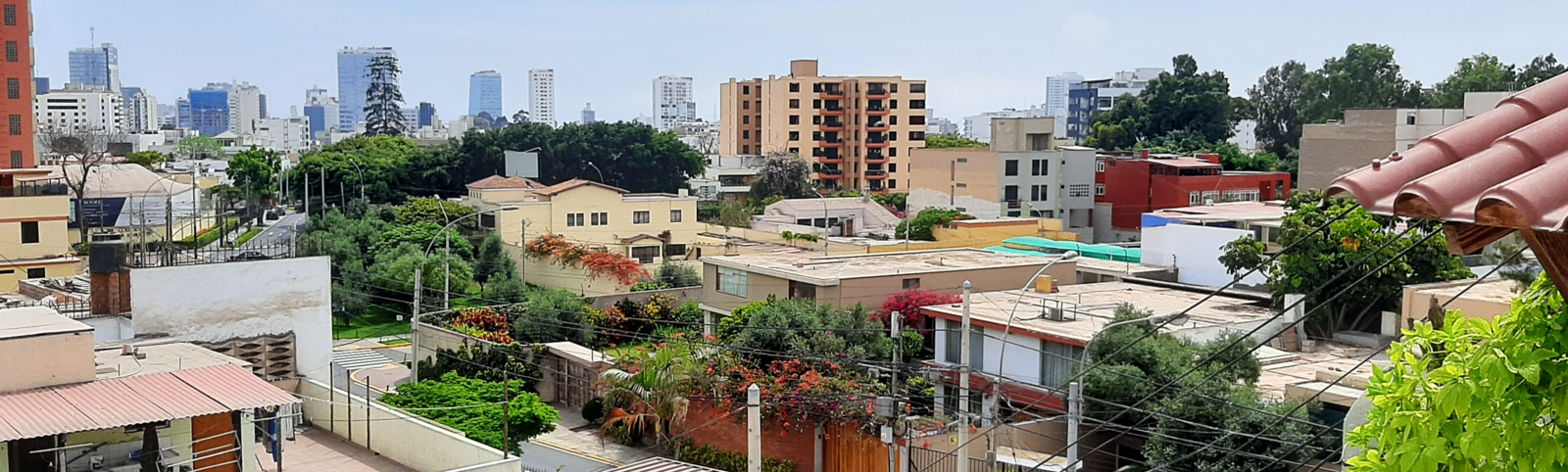
The usual set is a passport, the Carné de Extranjería for standard products, and proof of address such as a utility bill. Banks may also ask for proof of income or source of funds.
A RUC, Peru’s taxpayer number, is not normally required for a personal account. Banks may request it when the account will serve business or freelance work.
For a basic account, a passport may be enough on its own. Staff can still ask for supporting papers under know-your-customer checks.
Bring originals and copies of everything. What a branch asks for can differ from what the bank’s website lists.
Soles and dollar accounts side by side
Peruvian retail banking is dual-currency. Daily life runs in soles, while dollar accounts remain common for savings, rent in some districts and property deals.
Each account holds one currency, so a foreigner who wants both usually opens two. BCP, for example, offers its digital savings account in soles or in dollars.
The sol has been one of the region’s steadier currencies. The Central Reserve Bank of Peru targets inflation of 1–3% and intervenes to smooth sharp exchange-rate swings.
At 19 September 2026 exchange rates, the sol traded at about 3.36 to the dollar. Rates move daily, so check the bank’s buy and sell quote before converting.
Moving money between your own soles and dollar accounts involves the bank’s exchange spread. Comparing that spread with licensed online exchange houses can save money on larger amounts.
Timeline from appointment to active card
For a foreigner, opening a bank account in Peru is branch-led: a visit, document review, compliance checks, contract signing, then card and app activation. Instant online opening is mostly reserved for DNI holders.
Some banks hand over the debit card at the branch, while others deliver it later. No official standard waiting time is published across banks.
Compliance review can stretch the process, especially without a local work or credit record. Online banking is then activated through the bank’s app.
Expat guidance often recommends large branches in districts such as Miraflores or San Isidro, where staff see more foreign clients. That is practical advice, not a bank rule.
Online banking, Yape and Plin
Yape and Plin sit at the centre of Peru’s instant-payment culture. Market stalls, taxis and landlords often prefer a phone transfer to cash.
Yape belongs to BCP, while Plin connects accounts at banks such as BBVA, Interbank and Scotiabank. Under Central Reserve Bank rules, the two wallets became interoperable from March 2023.
Foreigners can join, with conditions. Yape’s official help page says registration with a carné de extranjería or passport requires a BCP debit card.
In practice, both wallets rely on a Peruvian bank account and a local phone number. That is a reason to open an account early.
Yape and Plin publish their own transfer limits by account type. No separate official limit for foreigners has been published.
Fees, minimums and the transaction tax

Peru has no single national table of bank fees or minimum balances. Each bank publishes a tariff schedule for each product, as SBS transparency rules require.
Some accounts cost nothing to hold. BCP’s digital savings account, for example, advertises no maintenance fee and no minimum balance.
Standard accounts may charge maintenance when balances fall below a product threshold, plus card, withdrawal or transfer fees. Those amounts change, so check the schedule before you sign anything.
One charge applies everywhere. SUNAT, the tax authority, levies the ITF, a financial transactions tax of 0.005% on the value of each affected operation.
The ITF is small on everyday payments. It is worth knowing because it appears as a separate line on statements and surprises many newcomers.
Deposits are insured. The Fondo de Seguro de Depósitos set cover at S/123,000, about US$36,500, for September to November 2026. The ceiling is reset every quarter, so check it rather than assuming it. Cooperatives are not covered.
The FATCA reality for US persons
FATCA is the US law requiring foreign banks to identify accounts held by US persons. The US Treasury lists Peru as having a Model 1 agreement in substance, treated as in effect since 30 June 2014.
For an American opening a Peruvian account, this means extra forms. Expect a US tax-residency declaration, usually a W-9, and closer source-of-funds questions.
FATCA does not bar US citizens from Peruvian banks. It adds paperwork, and a bank may take longer to approve the account.
US persons also have their own filing duties at home. An FBAR report is due when combined foreign balances exceed US$10,000 at any point in the year.
Transfers, alternatives and a checklist
Before a Peruvian account exists, many newcomers use a home-country bank card plus a multi-currency fintech account. These can hold money and pay abroad, but rarely connect to Yape or Plin.
Treat them as a bridge rather than a substitute. Rent, salaries and many local payments still assume a Peruvian account.
Money from abroad arrives in two main ways. A SWIFT wire needs the bank’s SWIFT code, while domestic routing uses the CCI, a 20-digit interbank account code.
Money-transfer services often land funds more cheaply by converting abroad and paying out locally. Fees and exchange spreads vary by provider, and banks may ask where larger sums come from.
A simple checklist starts with your status. With a residence card, ask for a standard account; with a passport only, ask for a cuenta básica.
Next, gather your passport, any residence card, proof of address and proof of income. Then visit a large branch, sign, activate the app and test a small transfer.
Common pitfalls and how Peru compares
Accounts can be restricted when a bank asks for refreshed documents, such as a renewed residence card. Renew early and update the bank whenever a card or visa changes.
Proof of address can become a loop. A lease or utility bill often needs a bank account, while the bank wants the address first.
Some frontline staff still apply the older rule and turn away passport holders. Asking politely for a cuenta básica under Resolution 00908-2025, or trying another branch, often resolves it.
Colombia looks broadly similar. Bancolombia, for instance, accepts a visa, passport or cédula de extranjería, the resident card, plus a second photo ID.
Chile is stricter at the start. Traditional banks there generally require the RUT tax number and a Chilean foreigner ID card before opening.
Peru sits in the middle of that spectrum, and it has moved toward wider access since 2025. Patience and complete papers matter more than which bank you pick.
What is not known is how consistently each bank applies the passport rule branch by branch. Current fees and basic-account caps should be checked with the bank and the SBS on the day.
Connected Coverage
Peru Residency Visas for Expats
Moving to Peru: Visa to First 90 Days
Peru vs Colombia for Expats 2026 — Visas, Costs, Safety and Who Each Country Suits
Sources: This guide draws on Peru’s official gazette El Peruano, the SBS, SUNAT, BCP, Yape, Scotiabank Perú, the US Treasury, Bancolombia and El Comercio.
- busquedas.elperuano.pe
- elperuano.pe
- viabcp.com
- yape.com.pe
- orientacion.sunat.gob.pe
- home.treasury.gov
- scotiabank.com.pe
- bancolombia.com
What Is Not Known
No Peruvian bank publishes a machine-readable tariff schedule. The pages carrying withdrawal fees, out-of-network transfer charges and maintenance costs are blocked to automated access at BCP, Interbank and BBVA, and are script-driven at Scotiabank. Those fees exist, but we could not read them.
Whether a tourist on a passport can in fact open an account at any named bank is not established. The regulation has allowed it since June 2025. No bank publishes a flow for it, and no data exists on how often such applications succeed.
Processing times are not published by any bank or by the regulator, either for opening an account or for the residency card. A newcomer cannot plan around a documented timeline because none exists.
Whether a temporary permit, the PTP or CPP, counts as a recognised identity document under the 2025 rule is genuinely open. The rule uses a catch-all phrase that it does not define, and no regulator guidance or bank policy resolves it.
How consistently branches apply the 2025 rule cannot be measured from outside. There is no published supervisory data, complaint breakdown or enforcement record on refusals to open accounts for foreigners.
Frequently Asked Questions
Can a tourist open a bank account in Peru?
Legally, a tourist can open a capped basic account on a passport, because the residency requirement was removed on 16 June 2025. In practice no major bank publishes a flow for it. Every readable digital application asks for a DNI, so a foreigner is pushed into a branch, where staff decide.
What documents does a foreigner need to open a Peruvian bank account?
For a standard savings or current account, the Carné de Extranjería is the practical requirement, plus a passport and proof of address. For a basic account a passport can be enough, and the address is self-declared. BBVA’s own page also asks for a visa, proof of residence and bank references.
Can a foreigner hold a US dollar account in Peru?
Yes, but not through the basic account, which is held in soles only. Peruvian retail banking is dual-currency and most banks offer both soles and dollar accounts. Each account holds one currency, so a foreigner who wants both normally opens two, and that generally needs the residency card.
How much can you hold in a Peruvian basic account?
The ceilings were reset in March 2026 and are indexed to the tax unit. They are S/3,300 per transaction, about US$980, a consolidated balance of S/10,450, about US$3,100, and S/15,400 in monthly movements, about US$4,570. It is a financial-inclusion product, not an expat banking product.
Can foreigners use Yape and Plin in Peru?
Yes, with a condition that is often left out. Yape’s own help page says registration with a carné de extranjería or a passport requires a BCP debit card first. Both wallets sit on top of a Peruvian bank account and a local phone number, so the account comes first.
What is the ITF tax on Peruvian bank accounts?
It is the financial transactions tax, levied at 0.005% of the value of each affected operation. That is about five centimos on S/1,000, or roughly US$300. It is small per payment but applies to both debits and credits, and it shows as a separate line on statements.
This article was produced by The Rio Times’ automated newsroom system. How we use AI · Report an error · Editorial responsibility: Matthias Camenzind, Editor-in-Chief
Expat Guide to Peru
What The Rio Times publishes for foreigners who live in or move to Peru.
Start here
- Lima Rent for Foreigners in 2026 Averages US$979 a Month
- Peru Education and Healthcare Explained
- Peru’s New Crime Command and What It Means for Visitors
- Peru Security and Crime Explained 2026
City guides
Coming up in Peru
- Blessd Lima 2026: Peru Show at Arena 1 on 29 October Awaits Venue Reopening 29 Oct
- Hombres G in Lima, Peru: Two Nights of Spanish Pop-Rock at the Estadio Nacional, October 29–30, 2026 29 Oct
- Reggaeton Lima Festival 7 With Anuel AA on 31 October 31 Oct
- Haunted Superclub in Lurín, Peru: Carl Cox and Adam Beyer on 30–31 October 31 Oct
Understand Peru