
PERU · POPULATION
Key Facts
- —The country Peru counted 34.2 million people in its 2025 census.
- —What happened INEI began publishing 2025 census results on 29 May 2026.
- —Ethnic groups 61.8% mestizo, 17.2% Quechua, 9.0% white, 6.0% Afro-Peruvian.
- —The capital Lima Metropolitana holds 10.1 million people, 29.7% of the total.
- —The diaspora 30.2% of 3.31 million Peruvian emigrants (1990-2020) live in the US.
- —Still open 2025 census figures on religion and foreigners’ nationalities are unpublished.
Peru is a mestizo-majority country with large Quechua, Aymara, white and Afro-Peruvian minorities, a giant capital and an ageing profile.
Peru population figures from the 2025 census show 34.2 million people, ageing steadily, with nearly three in ten in Lima. INEI, the national statistics office, began publishing the results on 29 May 2026.
Its July 2026 release added ethnicity and childhood languages, while religion and detailed language data still come from the 2017 census. This guide to Peru combines both counts with INEI’s latest surveys, as of October 2026.
Peru Population: Size, Growth and Age
The 2025 census counted 32,706,028 people directly. INEI added 1,451,704 people it estimates were missed, or 4.25% of the total, for 34,157,732 residents.
The population grew by about 2.92 million between 2017 and 2025, or 1.11% a year. That is faster than the 1.02% a year recorded between 2007 and 2017.
INEI links part of the speed-up to immigration from abroad in recent years. Women make up 50.6% of residents and men 49.4%.
Peru is getting older. The average age rose from 32.0 years in 2017 to 34.2 years in 2025.
Children under 15 fell from 26.5% to 22.7% of the population, while people aged 60 and over rose from 11.7% to 14.8%. People aged 15 to 59, the core working ages, make up 62.5%.
There are now 65 people aged 60 or over for every 100 children under 15, up from 44 in 2017. INEI’s projections show older people outnumbering children from 2040.
Families are smaller too. INEI’s 2025 health survey put the fertility rate at 1.7 children per woman, below the 2.1 needed to replace each generation.
The rate was 2.5 in rural areas and 1.6 in towns and cities. Puno and Moquegua are the oldest regions, with 88 and 87 older people per 100 children.
Cities, Regions and Internal Migration
INEI puts Lima Metropolitana at 10,129,708 residents, or 29.7% of the national total. Piura (2,115,587), La Libertad (2,056,560) and Arequipa (1,814,396) follow.
San Juan de Lurigancho, a district of Lima, is the country’s most populous district, with about 1.13 million people.
Most Peruvians live on the narrow desert coast, not in the Andes or the Amazon. In 2025 the coast held 58.7% of the population, the Andes 26.7% and the Amazon 14.3%.
The 2025 census found 80.6% of Peruvians living in urban areas, up from 79.3% in 2017. The rural population still grew slightly, by about 264,000, to 6.33 million.
Internal migrants made up 20.9% of the people counted in 2025, INEI says. Lima gained a net 2.3 million people from other regions over time, while Cajamarca lost a net 623,000.
Movement is slowing: INEI counted 1.23 million recent internal migrants for 2020 to 2025, down from 1.43 million in its previous measure. For the wider context, see the Peru country explainer.

Ethnic Groups: Mestizo, Quechua, Aymara and More
Peru’s census asks people how they identify by their customs and ancestors. The first national results from 2025, published on 10 July 2026, break down as follows.
- Mestizo, 61.8%: people of mixed Indigenous and European descent.
- Quechua, 17.2%: the largest Indigenous people, a large majority in Apurímac (87.5%) and Ayacucho (86.0%), and 60.8% in Puno.
- White, 9.0%: including 16.6% in the northern region of Cajamarca.
- Afro-Peruvian, 6.0%: people who identify as Black, moreno, zambo, mulatto or Afro-descendant, with 16.8% in Cajamarca.
- Aymara, 2.0%: an Andean people of the far south, 33.3% of Puno and 42.4% of rural Puno.
- Amazonian Indigenous peoples, 1.6%: dozens of groups in the rainforest regions.
- Other groups, 2.1%.
The 2017 census, asking only those aged 12 and over, gave 60.2% mestizo, 22.3% Quechua, 5.9% white, 3.6% Afro-Peruvian and 2.4% Aymara. The Quechua share is lower in 2025, while the white and Afro-Peruvian shares are higher.
The 2017 count also shows the smaller groups. It recorded 55,489 Asháninka, 37,690 Awajún and 25,222 Shipibo-Konibo in the Amazon.
It also counted 22,534 Nikkei, of Japanese descent, and 14,307 Tusán, of Chinese descent. Peru’s Ministry of Culture recognises 55 Indigenous peoples: 51 in the Amazon and 4 in the Andes.
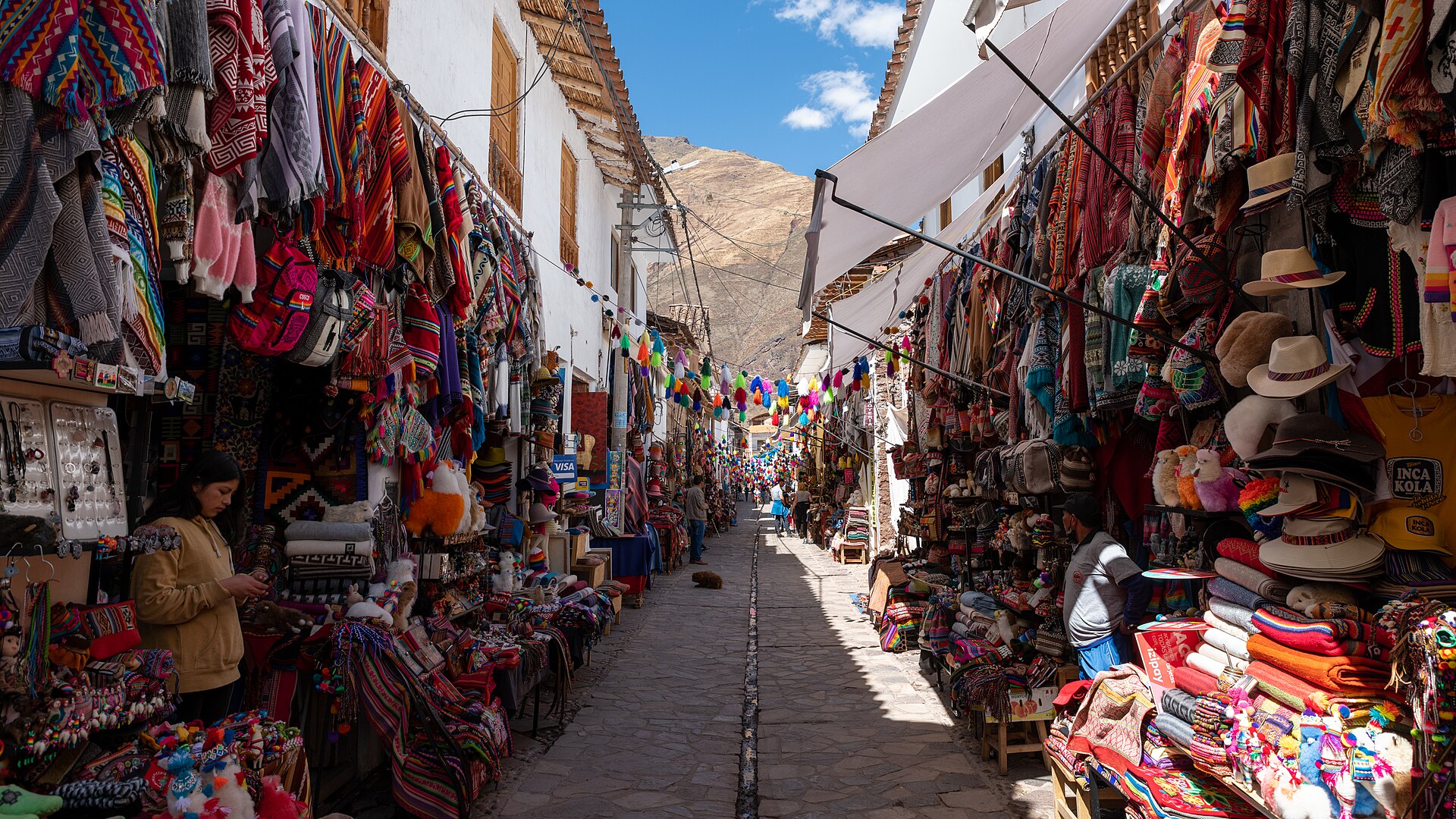
Languages: Spanish, Quechua and Dozens More
Article 48 of the Constitution makes Spanish the official language nationwide. Quechua, Aymara and other Indigenous languages are also official where they predominate.
In the 2025 census, 87.8% of people aged three or over learned one language as children and 11.5% learned two. In Puno, Huancavelica, Ayacucho, Apurímac and Cusco, more than 32% grew up with two languages.
The Ministry of Culture said in July 2026 that 5,105,146 people counted in 2025 speak at least one Indigenous language.
INEI has not yet published a breakdown by language, so the 2017 figures remain the reference. That year, 82.6% of people aged five or over had learned Spanish first, 13.9% Quechua, 1.7% Aymara and 0.8% another Indigenous language.
Quechua was not fading in raw numbers. The number of people who learned it first rose 14.5% between 2007 and 2017, to 3.74 million, faster than Spanish.
In rural areas, 30.3% of residents learned Quechua as children in 2017. In Puno, 27.0% learned Aymara first, as did 19.4% in Tacna.
The Ministry of Culture counts 48 Indigenous languages, 4 in the Andes and 44 in the Amazon. The 2017 census also recorded 10,447 people whose first language was Peruvian Sign Language.
Religion in Peru
INEI has published no 2025 census figures on religion, and the Lima daily Expreso reported in 2025 that the question was dropped. In 2017, 76.0% of people aged 12 and over said they were Catholic and 14.1% Evangelical.
Another 4.8% followed other faiths, and 5.1% said they had no religion. Between 2007 and 2017, the number of Evangelicals rose 25.3% and the number with no religion nearly doubled.
Migration: Foreigners In, Peruvians Out
The 2025 census counted about 1.05 million foreign residents. INEI says 80.0% are aged 15 to 59, which it links to work, and 65.5% live in Lima Metropolitana.
INEI’s national release does not yet split that total by nationality. Since 2018, INEI has run three surveys of Venezuelan residents with support from UNHCR, the UN refugee agency.
Its 2024 survey in eight cities found that 88.6% of employed Venezuelans worked informally. Only 61.0% held valid residency, and 13.9% had no migration permit.
Average monthly pay from work was S/1,484 (about US$432). Conversions use the open.er-api.com rate of 7 October 2026, about S/3.44 per US dollar.
Across Latin America and the Caribbean, about 6.87 million Venezuelans lived in host countries in 2025, the UN-led regional response plan estimates. It says many who once aimed for the United States are settling in countries including Peru.
Going the other way, INEI counted 3.31 million Peruvians who left between 1990 and 2020 and had not returned. The United States hosts 30.2% of them, followed by Spain, Argentina, Chile and Italy.
Peruvians abroad sent home US$5.37 billion in 2025, up 11.7% on 2024, the central bank reported. The United States was the largest source.
How the Groups Live Together
Peru’s groups share a national identity, but not equal chances. In 2025, 25.7% of Peruvians lived in monetary poverty, down from 27.6% in 2024.
INEI’s poverty line was S/462 (about US$134) per person a month. Poverty reached 35.5% in rural areas and 23.4% in urban ones.
Language tracks poverty closely. Where the head of household spoke Quechua or Aymara as a first language, 30.4% were poor; where it was Spanish, 23.8%.
The gap is widest in the Amazon: 46.2% of people in households headed by a speaker of an Amazonian language were poor. Cajamarca (41.0%) and Loreto (40.1%) had the highest regional poverty rates.
In schools, a UNICEF study using INEI data found 61.0% of Amazonian Indigenous students finish secondary on time. The rates are 77.0% for Afro-Peruvians and 86.0% for students who are neither Indigenous nor Afro-Peruvian.
There is progress: adult illiteracy fell to 5.1% in 2025 from 5.8% in 2017, and 94.8% of people had some health insurance. Still, 23.7% of Venezuelans told INEI in 2024 they had faced discrimination in the previous year.
For the people behind Peru’s music, film and literature, see the guide to Peru’s culture.
What It Means for US Readers
The United States hosts the largest share of Peru’s diaspora, with its largest US clusters in New Jersey, New York and Miami. Remittances from the US are Peru’s largest source of family money from abroad.
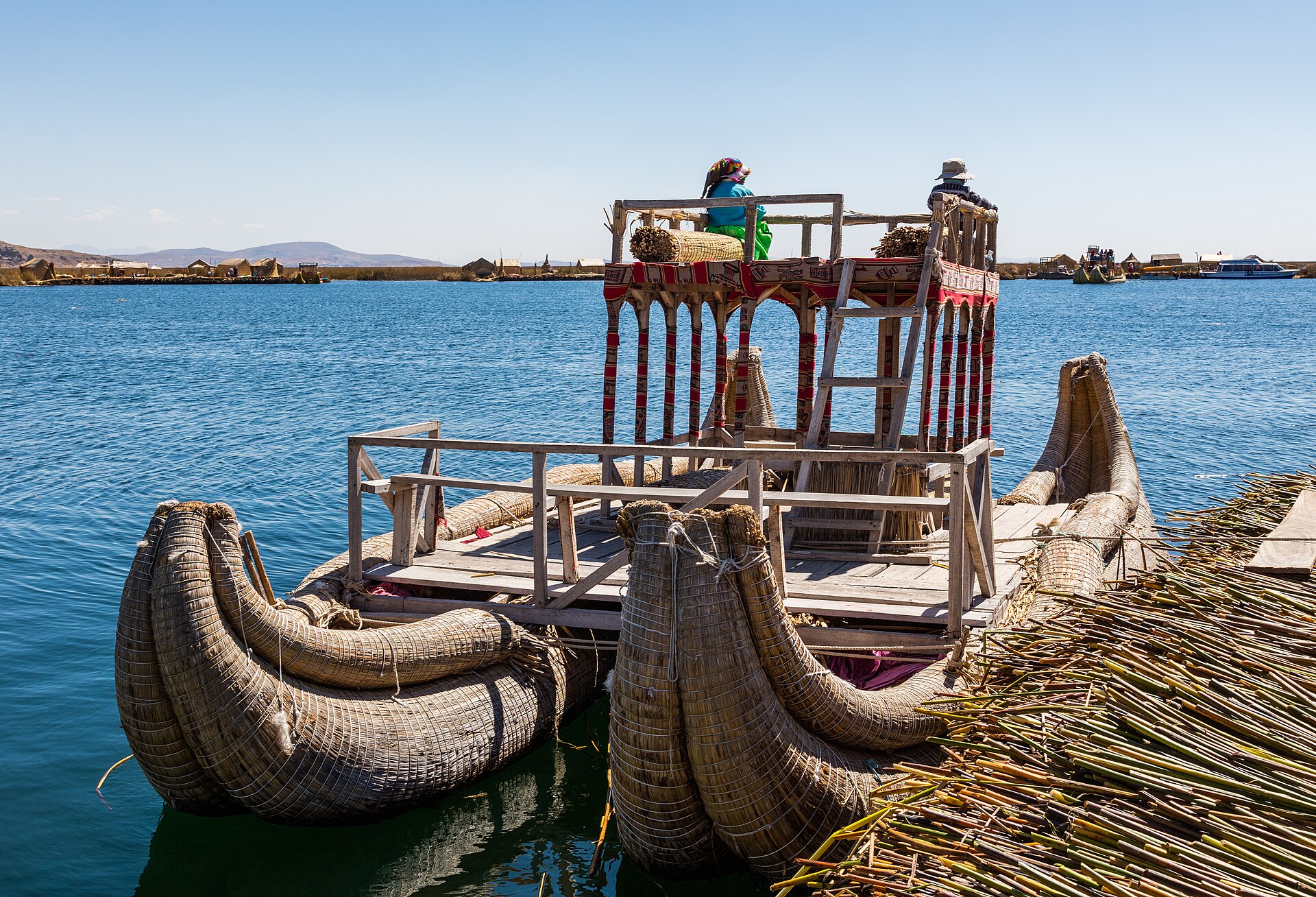
For travellers, Spanish works everywhere, but most people in Ayacucho and Apurímac identify as Quechua. In Puno, around Lake Titicaca, a third of residents identify as Aymara.
For businesses, Peru offers a market of 34.2 million people, with 10.1 million in one metropolitan area. Its workforce is still large, but the population is ageing quickly.
For policy, Peru’s handling of migrants matters to Washington, since many Venezuelans now settle in South America instead of heading north. The explainer on Peru’s Andean neighbours covers the regional picture.
For who holds power in Lima, see the guide to Peru’s politics.
What Is Not Known
It is unclear whether the 2025 census asked about religion, and INEI has not published results by specific mother tongue. Nor has it split the 1.05 million foreign residents by nationality in its national release.
The number of Venezuelans living in Peru is therefore not officially known. INEI has not explained why the Quechua share fell and the white and Afro-Peruvian shares rose between 2017 and 2025.
INEI’s provincial release gives Lima Metropolitana 9.6 million inhabitants, against 10.1 million in its first national release, without explaining the gap. Its latest emigration count covers 1990 to 2020, so the diaspora’s size since then is uncertain.
Frequently Asked Questions
What is the population of Peru?
Peru had 34,157,732 residents in its 2025 census, according to first results published by INEI in May 2026. Lima Metropolitana alone has 10.1 million.
What is the largest ethnic group in Peru?
Mestizos, people of mixed Indigenous and European descent, were 61.8% of the population in the 2025 census. Quechua people were second at 17.2%.
What languages are spoken in Peru?
Spanish is official nationwide, and Quechua, Aymara and other Indigenous languages are official where they predominate. The Ministry of Culture counts 48 Indigenous languages.
What religion are most Peruvians?
Most are Catholic: 76.0% of people aged 12 and over in the 2017 census, the latest national figure. Evangelicals were 14.1%, and 5.1% had no religion.
How many Afro-Peruvians are there?
In the 2025 census, 6.0% identified as Afro-Peruvian or of African descent. The 2017 census counted 828,841 Afro-Peruvians aged 12 and over, or 3.6%.
Is Peru’s population still growing?
Yes, by 1.11% a year between 2017 and 2025. But fertility has fallen to 1.7 children per woman, and the population is ageing.
How many Peruvians live in the United States?
INEI estimates that 30.2% of the 3.31 million Peruvians who emigrated between 1990 and 2020 live in the United States. That is roughly 1 million people.
Sources: INEI, 2025 census first results; INEI, 2025 census provincial results, ethnicity and foreign residents; INEI, Ayacucho 2025; INEI, Puno 2025; INEI, Cajamarca 2025; INEI, Apurimac 2025; INEI, 2017 census sociodemographic profile; INEI, ENDES 2025 fertility; INEI, poverty 2025; INEI, Venezuelan population survey 2024; INEI, UNHCR meeting; INEI, UNICEF study; INEI, emigration report 2022; Ministry of Culture, Indigenous peoples; Ministry of Culture, Indigenous languages; Constitution of Peru; R4V, RMRP 2026; Andina, BCRP remittances; Forbes Peru, BCRP remittances; El Peruano, Ministry of Culture on 2025 census; Expreso, religion question; open.er-api.com, exchange rate (all accessed 7 October 2026).
Editorial responsibility: Matthias Camenzind, Editor-in-Chief · Editorial standards · Report an error