Who Dominates Paraguay, Elites and Regions Explained
PARAGUAY · WHO HOLDS POWER
Key Facts
- Who rules President Santiago Peña serves one five-year term that ends in August 2028; the constitution bars re-election.
- Congress The Colorado Party holds 26 of 45 Senate seats and 47 of 80 seats in the Chamber of Deputies.
- Local vote On 4 October 2026 the Colorado Party won 187 of 263 mayoralties; the Liberals won 34.
- Inequality Poverty fell to 16.0% in 2025 from 19.6%; the richest tenth earned 35% of income in 2024.
- Money The Itaipú dam, shared with Brazil, supplies about 90% of Paraguay’s electricity.
- Power Index Paraguay ranks 10th of 14 in The Rio Times Latin America Power Index, with 36.0 points (October 2026 edition).
Paraguay power rests with a president who cannot be re-elected and a Colorado Party that holds most seats in Congress. This guide explains who dominates whom in Paraguay as of 1 November 2026, and who is left out.
The guide covers who rules, who votes, who owns the dams and who is left out, with every figure dated.

The President and His Office
Paraguay power starts in the Palacio de López in Asunción, where President Santiago Peña governs. The constitution gives a president one five-year term, counted from 15 August after the election, and forbids re-election in Article 229.
Under Article 238 the president is commander in chief of the armed forces, a post that cannot be handed to anyone else. The president also sets the line on security and foreign policy.
On 21 October 2026 the State Department said a US deputy secretary met Peña and Foreign Minister Ramírez. The visit produced two signed texts.
They signed an aerial intercept agreement against suspected drug flights, which is not yet in force. They also signed a non-binding memorandum on screening terrorist travel at borders.
- Colorado Party: officially the Asociación Nacional Republicana (ANR, National Republican Association), the largest party in Congress.
- PLRA: the Authentic Radical Liberal Party, the second-largest party in the Senate.
- TSJE: the Superior Tribunal of Electoral Justice, the body that runs and certifies elections.
- Itaipú: the giant dam on the Paraná River that Paraguay owns jointly with Brazil.
- Departments: Paraguay’s regional units, plus the capital district of Asunción.
Congress and the Colorado Party
Congress has two chambers, and the constitution sets minimums of 45 senators and 80 deputies in Articles 223 and 221. On 1 November 2026 the chambers’ websites showed 26 Colorado senators and 47 Colorado deputies.
That is about 58% of the Senate and 59% of the Chamber, a majority in both houses. Senate President Basilio Núñez and Chamber President Raúl Latorre, both Colorado members, appeared on the chambers’ websites on 29 and 30 October.
The Authentic Radical Liberal Party has 10 senators and the Cruzada Nacional party has three. The other six seats belong to small parties and independents.
Former presidents who were democratically elected become senators for life under Article 189, with a voice but no vote. Past leaders therefore keep a place at the table long after they leave office.
The October 2026 Local Elections
On Sunday 4 October 2026 Paraguayans elected 263 mayors and 2,832 municipal councillors, according to the electoral court’s results files. The Colorado Party won 187 of the 263 mayoralties, or about 71%, and the Liberals won 34.
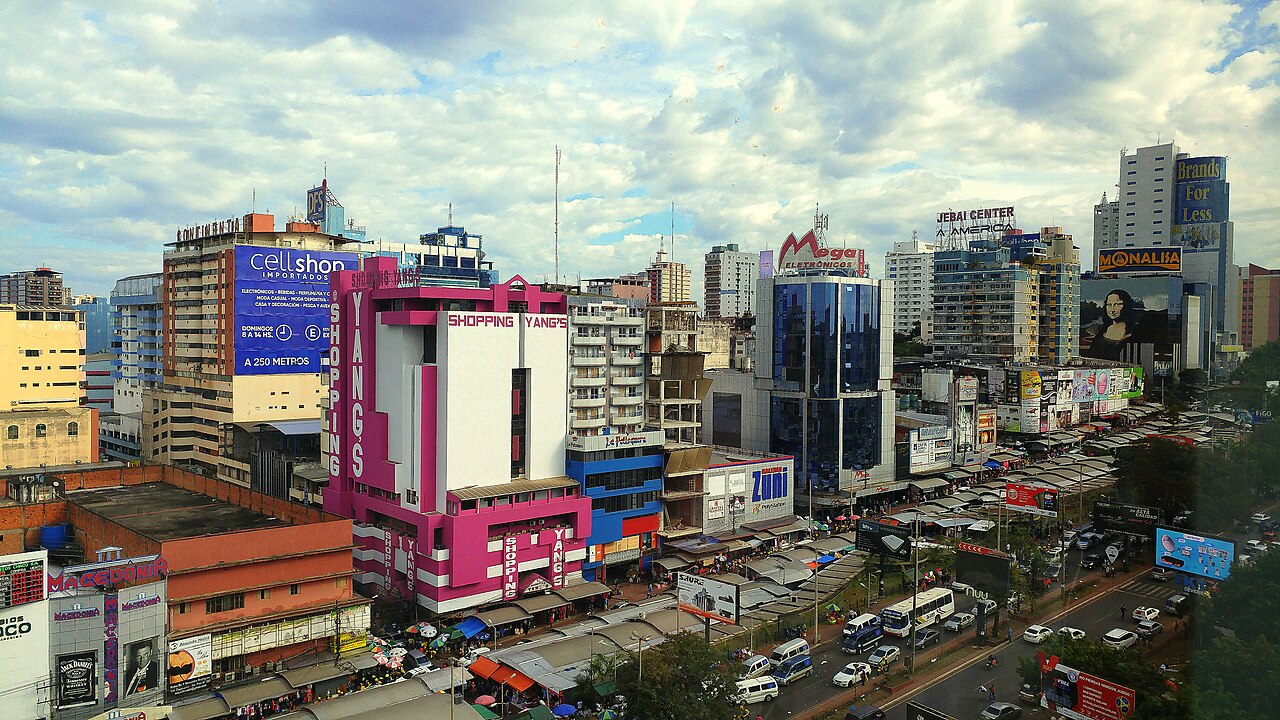
The Yo Creo party won three mayoralties, including Ciudad del Este, a commercial city on the Brazilian border. There Daniel Pereira Mujica took 95,888 votes, and in Asunción María Soledad Núñez Méndez won with 133,429.
Women won 30 of the 263 mayoralties, or 11%, and 671 of the 2,832 titular council seats, or about 24%. Men therefore still hold roughly nine in ten of the mayor’s offices.
Money, Land and the Elite
Paraguay’s economy was about US$49.3 billion in 2025, according to the World Bank, the global development lender. The International Monetary Fund (IMF) said on 28 August 2026 that growth was 6.6% in 2025 and may reach 4.4% in 2026.
The World Bank calls Paraguay a major exporter of soybeans, beef and other farm goods, with a hydropower surplus from shared dams. Exports of goods and services equalled 37.2% of output in 2025.
Informal work, with no contract or social protection, covers about 62% of the workforce, the World Bank says. Public debt was 41.3% of output in 2025, the same overview says.
Article 115 of the constitution tells the state to discourage large landed estates and to support small farms. Public sources do not list who owns the largest estates, so the elite is described by sector, not by name.
Itaipú and the Energy Lever
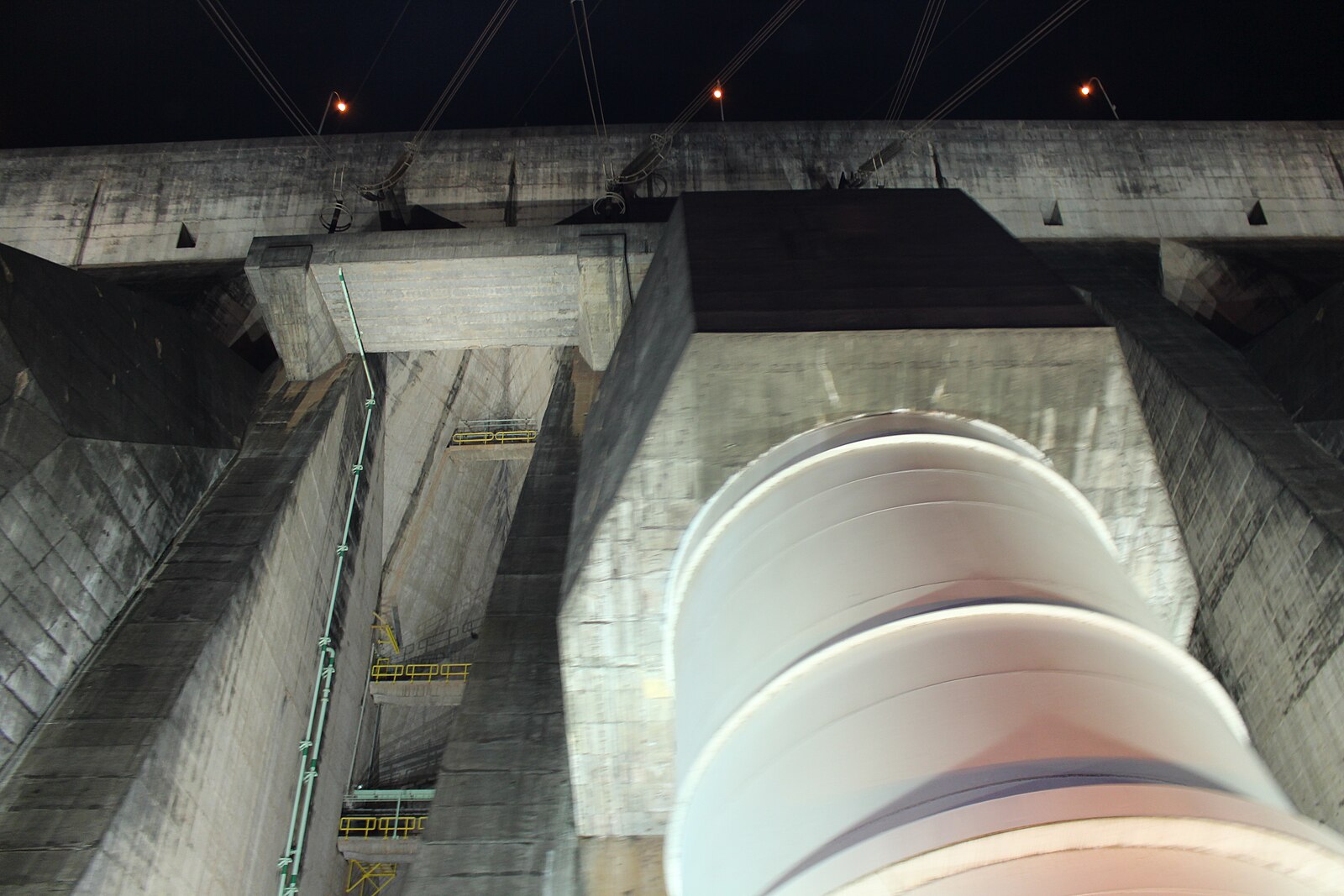
The Itaipú dam has 14 gigawatts of installed capacity from 20 units, and its operator says it produced 83,800 gigawatt-hours in 2023. It supplies about 90% of the electricity used in Paraguay and about 10% of Brazil’s.
Each country owns half of the electricity produced under a treaty signed on 26 April 1973. That makes the dam one of the main levers of the Paraguayan state.
New Uses for Cheap Power
On 21 October 2026 the State Department said Crusoe, a US firm, and Araico, a Paraguayan developer, plan data centres on Itaipú power. It also said Uranium Energy Corp announced a US$12 million investment in a Paraguayan uranium concession.
Both are US private investments in Paraguay announced alongside the government agreements. The Rio Times guide to Paraguay’s foreign powers and investors covers the deals in more detail.
Regions That Count and Regions Left Behind
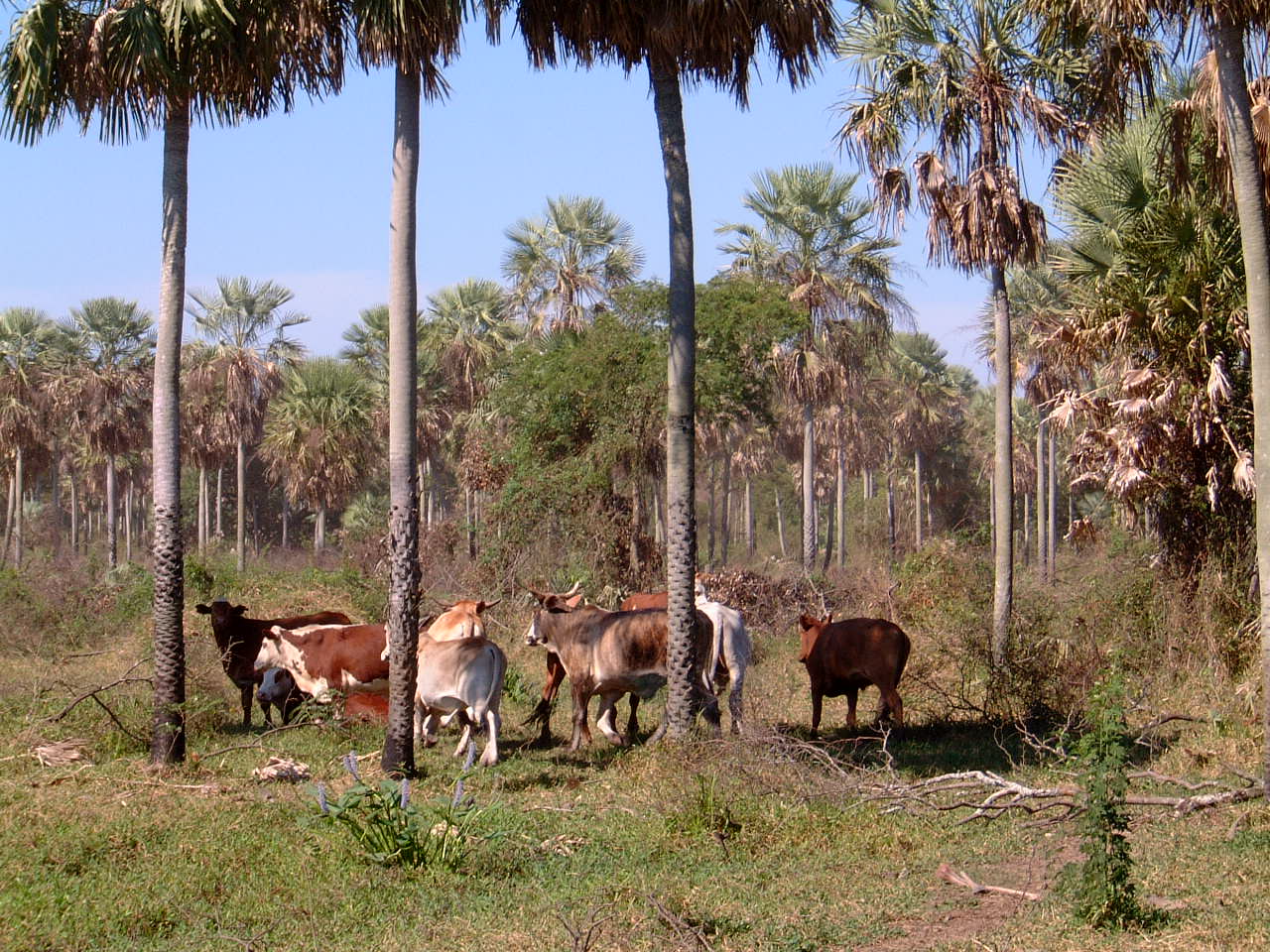
The 2022 census counted 6,109,903 people, and Asunción and the surrounding Central department hold 2,346,168 of them, or 38%. Alto Paraná department, around Ciudad del Este, has 763,702 people and the border trade.
Power and people sit close together around the capital, while the vast western Chaco plain is thinly settled. The Rio Times guides to Paraguay’s population and ethnic groups and the Paraguay hub show the full map.
Poverty has fallen but remains a national concern. The World Bank puts the national rate at 16.0% in 2025, down from 19.6% in 2024.
Army, Courts, Churches and Unions
Article 173 says the armed forces are professional, non-deliberative and subordinate to the state powers. Serving soldiers may not join any party or take part in politics.
The State Department’s human rights report for 2024 said impunity was a problem in the security forces. It said corruption and politicisation allegedly contributed, and that impunity for high-level politicians, police and security officials was widely alleged.
Alberto Martínez Simón is president of the Supreme Court of Justice, according to the court’s website in late October 2026. The court’s constitutional chamber reported 73 resolutions for 26 to 30 October 2026.
Article 24 gives no faith official status and bases the state’s ties with the Catholic Church on independence, cooperation and autonomy. About 88% of Paraguayans are Catholic, the government’s Vice Ministry of Worship estimates in the State Department’s 2023 religious freedom report.
Unions face legal hurdles: industrial unions need at least 20 members to register, the State Department’s 2024 report said. The same report said the government generally did not enforce freedom-of-association laws effectively.
Inequality and Who Is Left Out
The World Bank puts Paraguay’s Gini index, a 0-to-100 scale where higher means more unequal, at 44.2 in 2024. The richest tenth of Paraguayans earned 35.0% of income and the poorest tenth earned 2.0%.
Poverty fell to 16.0% in 2025 from 19.6% in 2024, according to the World Bank and the IMF. Gains are uneven, and the poorest tenth still earns only 2.0% of income.
Indigenous people, 140,049 in 19 peoples in the national statistics institute’s Indigenous census, are among those furthest from power. Article 64 of the constitution promises them free community land that cannot be sold or seized.
Women hold only about 11% of mayoralties after the October 2026 vote. The Rio Times guide to who holds power in Paraguay lists the players, and the power map ranks Paraguay.
What It Means for US Readers
Washington signed security agreements with the presidency in October 2026, so a change of course in Asunción would touch US counter-narcotics plans. Investors should read the presidency, Itaipú and the Colorado majority as one connected system.
Travellers and expatriates deal mostly with local government, and the October 2026 vote kept most town halls with the Colorado Party. The 2028 election, with no re-election for Peña, is the next big test of who dominates.
What Is Not Known
Public sources do not list who owns the largest farms, banks or import businesses, and no official ranking of business families exists. How the Colorado Party’s rival factions split its seats is also not public.
The current union membership rate is not known, and neither is the number of Indigenous families without land titles. Poverty figures by department for 2025 are not confirmed here.
Frequently Asked Questions
Who holds power in Paraguay?
President Santiago Peña leads the government, and the Colorado Party holds majorities in both houses of Congress. The president serves one five-year term that ends in August 2028.
Can the Paraguayan president be re-elected?
No. Article 229 of the constitution gives a president five years and bars re-election in every case.
How strong is the Colorado Party?
As of 1 November 2026 it holds 26 of 45 Senate seats and 47 of 80 Chamber seats. It won 187 of 263 mayoralties on 4 October 2026.
Which Paraguayan regions have the most power?
Asunción and the Central department hold 38% of the people, and Alto Paraná is the border trade hub. The western Chaco is thinly settled.
How unequal is Paraguay?
The World Bank put the Gini index at 44.2 in 2024, with the richest tenth earning 35.0% of income. Poverty was 16.0% in 2025.
What role does the army play?
The constitution makes the armed forces professional and subordinate to the state powers, with the president as commander in chief. Serving soldiers may not join a party.
Sources: Constitution of Paraguay (text published by the Chamber of Deputies, 2026), Articles 24, 64, 115, 172, 173, 189, 221, 223, 229, 238, 2026-11-01; Superior Tribunal of Electoral Justice (TSJE), municipal elections 2026: elected mayors and summary of elected candidates by party and gender, 2026-10-04; Senate of Paraguay, list of senators by party and Senate leadership, 2026-10-29; Chamber of Deputies of Paraguay, list of deputies and 2026-2027 board, 2026-10-30; Supreme Court of Justice of Paraguay, official website, 2026-10-30; US State Department, U.S.-Paraguay cooperation to advance prosperity and security, 2026-10-21; US State Department, 2024 Country Report on Human Rights Practices: Paraguay, 2025; US State Department, 2023 Report on International Religious Freedom: Paraguay, 2024; National Statistics Institute of Paraguay (INE), 2022 census, 2023-12-31; World Bank, World Development Indicators: Gini index, income shares, GDP, exports, 2026-10-08; World Bank, Paraguay country overview, 2026-10-31; International Monetary Fund, 2026 Article IV consultation with Paraguay (press release 26/280), 2026-08-28; Itaipú Binacional, the plant and the treaty, 2026-11-01.
This article was produced by The Rio Times’ automated newsroom system. How we use AI · Report an error · Editorial responsibility: Matthias Camenzind, Editor-in-Chief
Expat Guide to Paraguay
What The Rio Times publishes for foreigners who live in or move to Paraguay.
Start here
- Best Places to Live in Paraguay for Expats 2026, Ranked
- Investing in Paraguay as a Foreigner 2026 — Taxes and Property
- Uruguay vs Paraguay for Expats in 2026: Cheap Living or a Tax Holiday
- Moving to Paraguay in 2026 — Rents, Heat and the First Year
City guides
Coming up in Paraguay
- What to Do in Asunción in November 2026 26 Nov
- Ed Sheeran in Asunción, Paraguay: First-Ever Show in the Country at La Nueva Olla on November 26, 2026 — FINNEAS Opens 26 Nov
Understand Paraguay
Brazil runoff date: Sunday, October 25, poll closing times and when results start · Brazil runoff polls: Flávio 51%, Lula 49% · Kalshi and Polymarket odds
Rotate for Best Experience
This report is optimized for landscape viewing. Rotate your phone for the full experience.
You've reached your free article limit
Subscribe to The Rio Times for unlimited access to our news, expat and nomad guides and market intelligence on Latin America and Africa.
Keep reading for free
Your first article was on us. Register with your email address to read 6 free articles every month. You will also receive The LatAm Brief: what moved in Latin American markets, politics and expat life, every weekday morning.
Expat Guide to Paraguay
What The Rio Times publishes for foreigners who live in or move to Paraguay.
Start here
- Best Places to Live in Paraguay for Expats 2026, Ranked
- Investing in Paraguay as a Foreigner 2026 — Taxes and Property
- Uruguay vs Paraguay for Expats in 2026: Cheap Living or a Tax Holiday
- Moving to Paraguay in 2026 — Rents, Heat and the First Year
City guides
Coming up in Paraguay
- What to Do in Asunción in November 2026 26 Nov
- Ed Sheeran in Asunción, Paraguay: First-Ever Show in the Country at La Nueva Olla on November 26, 2026 — FINNEAS Opens 26 Nov
Understand Paraguay