Investing in Paraguay as a Foreigner 2026 — Taxes, Property, Residency and Risks
GUIDES · PARAGUAY
Key Facts
- —What it is a small, fast-growing economy with low flat taxes and equal legal treatment for foreign investors.
- —Who it’s for tax-focused minimalists, agribusiness operators and patient investors in real assets.
- —What it costs 10% corporate tax, 10% standard VAT and 8–10% personal tax on Paraguayan-source income.
- —Why it matters two major agencies now rate Paraguay investment grade, and a 2026 route links investment to residency.
- —The catch rural titles can be weak, and banks and officials expect a complete, documented paper trail.
Investing in Paraguay as a foreigner in 2026 rewards patience and paperwork — clean titles, documented funds and local advice decide the outcome.
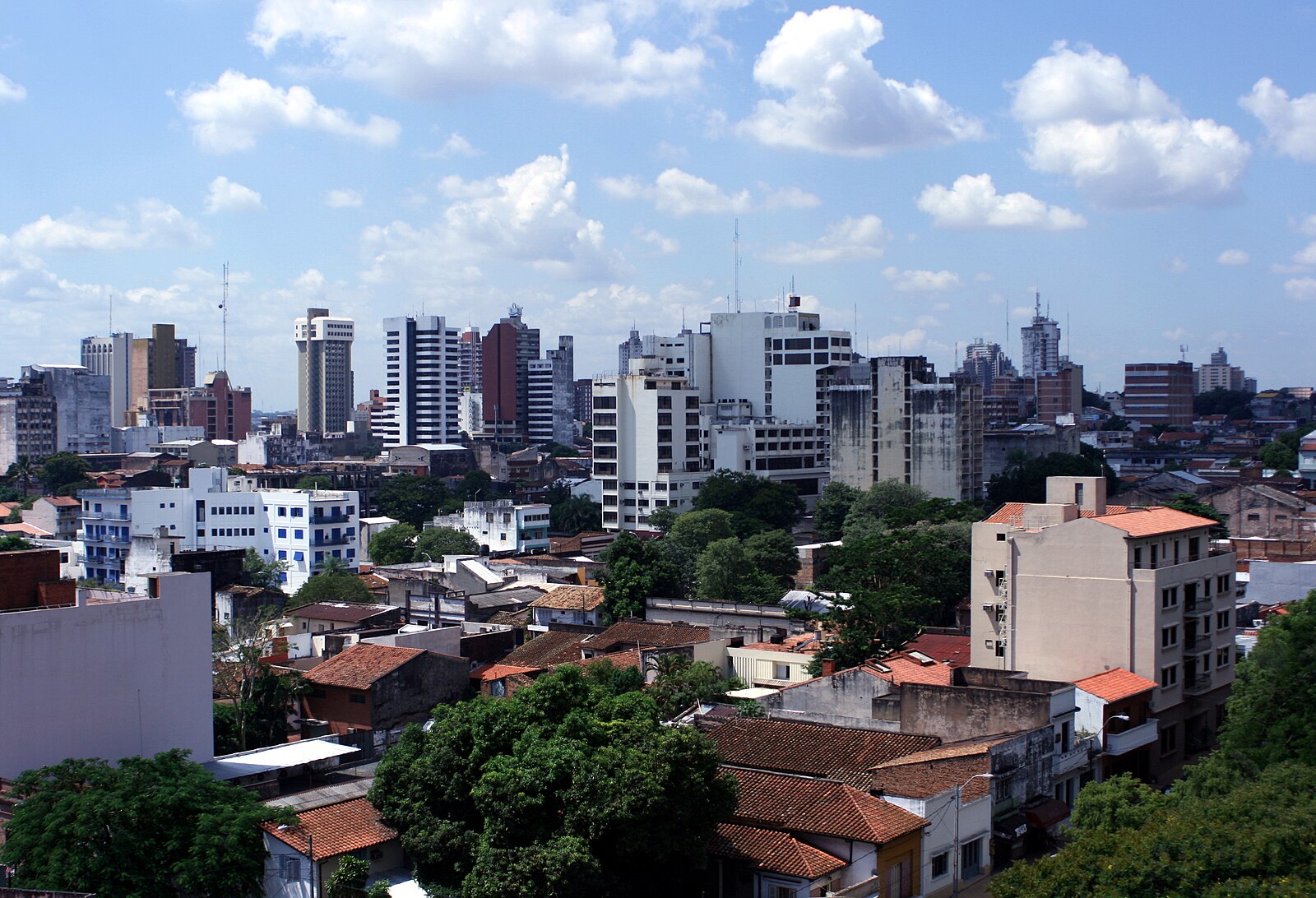
Investing in Paraguay as a foreigner in 2026 means a low-tax, open market where outsiders can own property in their own name. The country rewards diligence over speed — title checks, source-of-funds files and local advice decide whether an idea becomes sound.
The macro picture: stability, ratings and a stronger guaraní
Paraguay’s case rests on steady growth, low public debt by regional standards and a central bank that targets inflation. Moody’s raised Paraguay to investment grade in July 2024 and affirmed that rating in 2026.
S&P followed with its own investment-grade rating (BBB-) in December 2025, according to Bloomberg. Ratings can move, so check each agency’s current view before relying on one in a transaction.
The guaraní floats, and it has been one of the region’s steadier currencies over the long run. It has still moved sharply recently, strengthening from close to 8,000 to the dollar during 2025.
At 19 September 2026 exchange rates, US$1 buys about 5,936 guaraníes. For a dollar investor, that means local costs and assets are dearer than a year ago, and exporters feel squeezed.
The Economic Commission for Latin America and the Caribbean (ECLAC) reported foreign direct investment of about US$1.18 billion in 2025. That was a record for Paraguay, up 7.6% on 2024.
The tax anchor: how the 10-10-10 framework works
The 2019 tax reform (Law 6380) set a 10% corporate income tax and a standard 10% value-added tax (VAT). Some basic goods and certain property transactions carry a reduced 5% VAT.
Personal income tax is not fully flat. It runs at 8%, 9% and 10% as income rises, and many capital returns pay 8%, according to the tax authority (DNIT).
The key idea is territoriality: Paraguay mainly taxes income earned inside Paraguay. Income from foreign clients or foreign assets generally sits outside the individual tax base, but the details matter.
For resident companies, foreign interest, commissions and capital gains are treated as Paraguayan-source and taxed. Dividends paid by Paraguayan companies face a separate tax of 8% for residents and 15% for non-residents.
So the headline rate is only the start of the calculation. Anyone investing in Paraguay as a foreigner should get written advice on how their specific income will be classified.
Property: ownership rights and the title-registry check
The 1991 Investment Law (Law 117/91) gives foreign investors the same rights and guarantees as Paraguayans. Foreigners can buy urban property in their own name without residency, a local company or a nominee.
The critical step when investing in Paraguay as a foreigner is the title check at the public registry. A local lawyer should trace ownership, liens and boundaries before money moves.
Asunción’s apartment segment is the usual entry point for foreigners. Ciudad del Este is a different tier — a commercial and cross-border trade hub rather than a lifestyle market.
Rural land carries an extra rule under Law 2532 of 2005, which creates a 50 km border security zone. There, nationals of Brazil, Argentina and Bolivia, and companies they mainly own, cannot hold rural land without an executive exception.
Residency through investment: the Investor Pass and SUACE

In April 2026 the Ministry of Industry and Commerce launched the Investor Pass under Resolution 283/2026. It offers direct permanent residency to foreigners who hold a certified qualifying investment.
The key document is the Foreign Investor Certificate (Constancia de Inversionista Extranjero), processed through SUACE, the ministry’s one-stop company-registration system. The rules set a maximum of five working days once an application is complete.
The published minimums are US$70,000 for productive projects, US$150,000 for tourism and US$200,000 for real estate or financial instruments. Productive projects need an approved business plan and at least five formal jobs.
Real estate must be put to economic use, not personal or family use, and financial instruments must be held for two years. Residency itself is then processed by the national migration authority.
The ministry reported 140 certificates and about US$31 million in declared investment in the first six months, according to regional press reports. Our separate residency guide covers the standard temporary-to-permanent route in more detail.
Agribusiness and the land-market reality
Agriculture is Paraguay’s economic backbone, led by soybean and beef exports, and shapes any plan for investing in Paraguay as a foreigner. Much of the country’s growth and export income moves with harvests, rainfall and river levels for barge transport.
For foreigners, farmland can be investable, but due diligence must cover title history, surveyed boundaries, road access, water and any border-zone limits. Cheap rural parcels with unclear papers are where losses most often start.
Investors who are not farmers usually work through a partnership or a managed structure with a local operator. Checking that operator’s track record is a business decision, not only a legal one.
Banking as a foreigner and the guaraní-dollar duality
Opening a bank account as a foreigner is possible, but onboarding is documentation-heavy and often slower than newcomers expect. Banks typically ask for strong identification, proof of source of funds and a clear local purpose.
Daily costs, wages and taxes are mostly in guaraníes. Property deals, larger savings and many business contracts are often priced in dollars.
For a household, this duality means currency risk sits inside everyday life. Rent in dollars and a salary in guaraníes can drift apart as the exchange rate moves.
Plan for account opening to take weeks rather than days. Having documents translated, apostilled and organised before arrival saves the most time.
The energy angle: Itaipú and power costs
Under the 1973 Itaipú Treaty, Paraguay and Brazil share the giant hydroelectric dam’s output equally. Paraguay uses only part of its half and has historically ceded the rest to Brazil.
That surplus clean power is a real structural advantage for energy-heavy activity such as industry, cold storage and data centres. ECLAC linked part of 2025’s investment rise to announced communications and data-centre projects.
The advantage depends on location and grid connection, not on marketing claims about cheap power. If power costs drive your business case, confirm the connection point and tariff with the state utility, ANDE, first.
Common pitfalls when investing in Paraguay as a foreigner
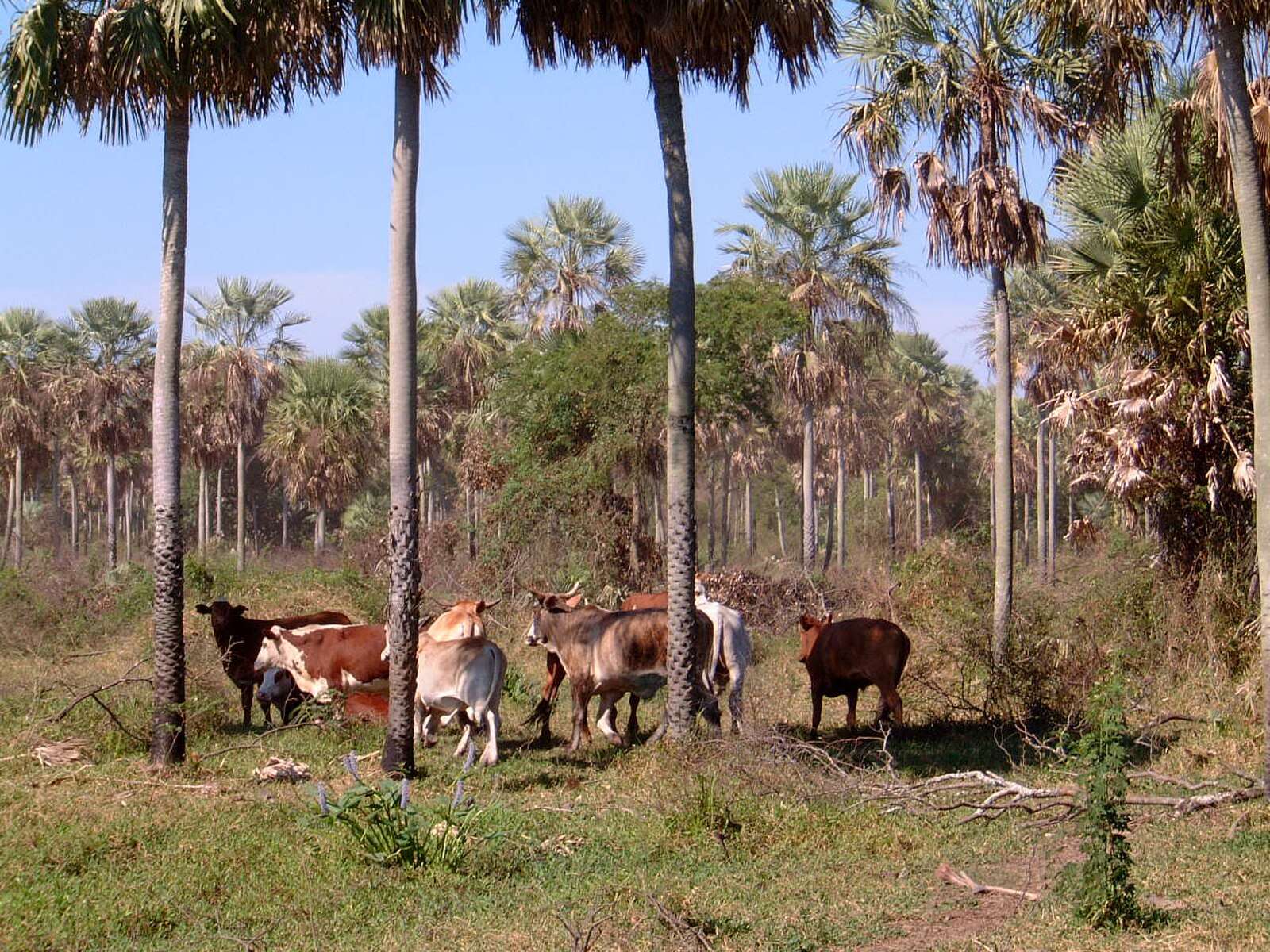
The biggest rural risk is a weak or informal land title, which can defeat an attractive purchase. A second is the cash-economy documentation gap — assets exist, but the paper trail that banks and officials expect does not.
A third mistake is treating the headline tax rate as the whole story. Source rules decide what is taxed, and a structure that ignores them can create unexpected Paraguayan tax exposure.
A fourth is assuming the Investor Pass is automatic. The categories are specific, background checks are real and implementation details can still change in the program’s early years.
Some things are not yet known. Fitch’s current view, real Investor Pass processing times in practice and how the stronger guaraní will affect exporters remain open questions.
A practical order of steps
First, define your goal: tax residency, rental yield, an operating business or a residency route. The answer shapes the structure and the advisers you need.
Second, gather passport, tax returns, proof of funds and apostilled company papers before spending anything. Third, hire a Paraguayan lawyer for title work and a separate tax adviser for source rules.
Fourth, confirm the registry title and any border-zone limits, then set up banking before signing. Finally, keep every receipt and transfer record — for investing in Paraguay as a foreigner, the file is part of the asset.
Who Paraguay suits — and who it does not
Paraguay suits people who value low, simple taxes, open foreign ownership and productive real assets. It fits agribusiness investors, patient property holders and people seeking a lighter tax footprint.
It suits lifestyle seekers less well if they expect polished institutions, fast administration and a wide premium consumer scene. For them, investing in Paraguay as a foreigner may feel slower and rougher than expected.
For a retiree or family, the meaning is practical: lower taxes can free up income, but only with patience for paperwork. Security of title and residency matters more than the headline rate.
The honest picture is a market moving up the spectrum, from frontier toward mainstream, as investment-grade ratings show. It rewards people who do the work and penalises those who skip steps.
Paraguay vs Uruguay for foreign investors
Uruguay is the more mature and institutionally polished neighbour, with higher ratings and a longer investment-grade record. Its corporate tax is 25% and its basic VAT 22%, well above Paraguay’s rates.
Paraguay usually wins on tax cost, land prices and agribusiness scale, while Uruguay wins on rule-of-law comfort and ease of daily life. Neither is better in general — they answer different questions.
For most readers, investing in Paraguay as a foreigner makes sense when lower costs matter more than institutional ease. Over the long run, the gap between the two countries is narrowing, but it has not closed.
Connected Coverage
Paraguay Residency Visa: The Permanent Permit’s Income Test Changed on 6 July 2026
Paraguay’s 10-10-10 Tax Model — Peña’s Pitch to Investors
Foreigners Keep Full Freehold Rights Buying Property Paraguay Notary Process
Sources: Figures draw on Paraguay’s tax authority (DNIT), the Ministry of Industry and Commerce’s Investor Pass rules as summarised by Ferrere, PwC tax summaries, ECLAC investment data, Moody’s and S&P rating actions, and Paraguayan press.
This article was produced by The Rio Times’ automated newsroom system. How we use AI · Report an error
LatAm Markets: Live Signals → — real-time movers, turnover leaders and FX across Latin America.
Read More from The Rio Times