PARAGUAY · POPULATION
Key Facts
- Power Index Paraguay ranks 10th of 14 in The Rio Times Latin America Power Index, with 36.0 points (October 2026 edition).
- People About 6.11 million at the 2022 census, run by the national statistics institute.
- Age Median age 30 in 2022; 25% under 15 and 9% aged 65 or older.
- Where 69% urban; Asunción and the neighbouring Central department hold 38% of all people.
- Indigenous 140,049 people in 19 peoples and five language families, 2.3% of the total (2022).
- Born abroad 2.6% of residents, mostly from Argentina and Brazil (2022 census).
The Paraguay population stands at about 6.11 million people, and nearly seven in ten of them live in towns and cities. This guide explains who they are, which languages and faiths they hold, and how indigenous peoples, migrants and Mennonite settlers fit in.

Paraguay Population in Plain English
Paraguay is a landlocked country in South America, squeezed between Brazil, Argentina and Bolivia. Guaraní, an indigenous language, is spoken well beyond indigenous communities and is official next to Spanish.
- INE: Paraguay’s Instituto Nacional de Estadística, the national statistics institute that ran the 2022 census.
- Census 2022: the national head count of people and homes, with a separate census of indigenous communities.
- Guaraní: an indigenous language that Paraguay’s 1992 constitution makes an official language next to Spanish.
- Chaco: the dry western region of Paraguay, home to many indigenous communities and the Mennonite colonies.
How Many People Live in Paraguay
The 2022 census counted about 6.11 million people, according to INE’s published tables. In 1950 the country had 1,517,601 people.
By 2000 it had 5,155,046, so the Paraguay population has roughly quadrupled in seven decades.Growth has slowed sharply since then.INE’s projections put annual growth at 0.71% in 2024 and about 0.18% by 2050, when the country should hold 7,119,137 people.
Moving Inside the Country
Paraguayans move a lot inside their own country: 20.2% lived in a different department from the one where they were born. The old magnets were Central, Presidente Hayes and Boquerón, while Misiones, Amambay, Alto Paraná and Cordillera now also gain people.
More women than before are moving, mostly short distances within a department. INE links this to fewer Paraguayan women leaving for other countries.
Age, Growth and a Falling Birth Rate
The Paraguay population is young but ageing fast. At the 2022 census, 25% of people were under 15, 66% were of working age and 9% were 65 or older.
In numbers, the census found 1,529,030 children under 15, 4,057,213 people aged 15 to 64 and 523,660 aged 65 or older.The median age was 30 in 2022, and INE expects it to reach 39 by 2050.The average woman had 1.95 children in 2024, below the 2.1 that keeps a population steady, and INE projects 1.72 by 2050.
- Working-age share: about 66% around 2025, with roughly 51 dependants for every 100 workers.
- Window of opportunity: a 2016 statistics-office study expects this favourable ratio to last until about 2045.
- Older people: the 65-plus group is projected to grow from 33 per 100 children in 2024 to 94 in 2050.
Where Paraguayans Live, City and Countryside
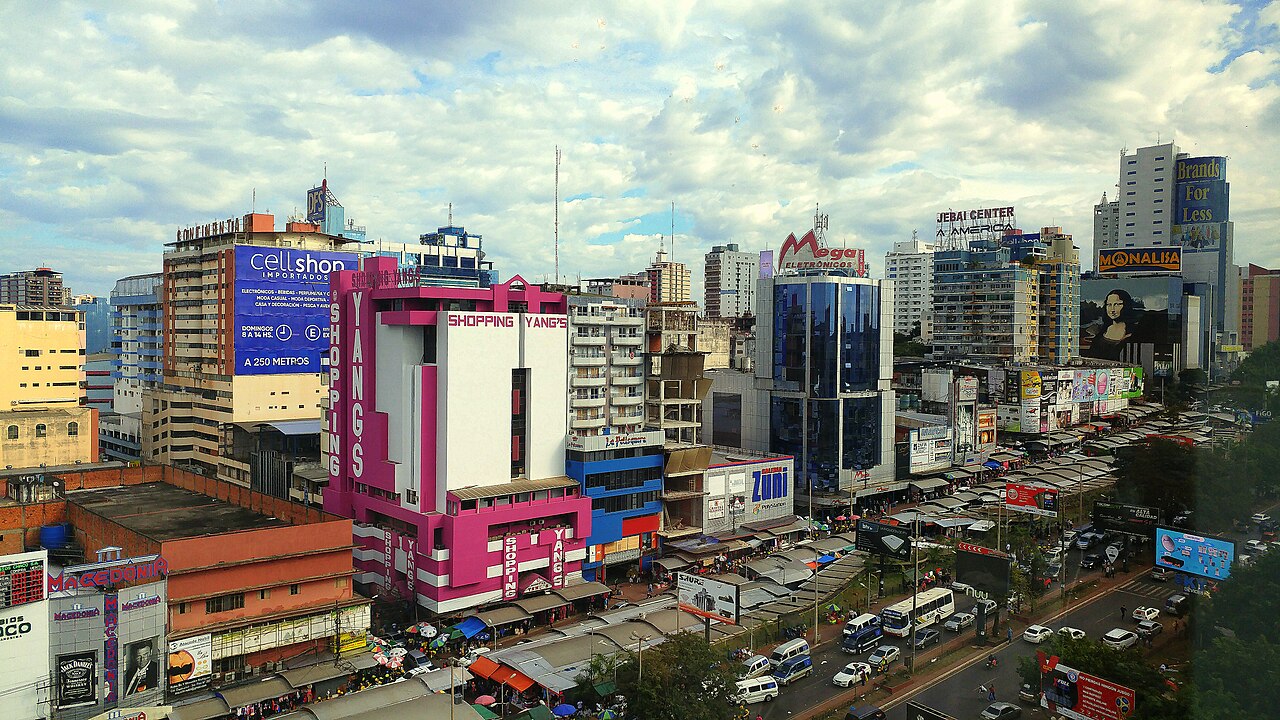
At the 2022 census, 69% of Paraguayans lived in urban areas (4.2 million people) and 31% in rural areas (1.9 million). The capital Asunción had 462,241 residents, and the surrounding Central department had 1,883,927, almost all of them urban.
Together those two areas hold 38% of the country. Alto Paraná, the eastern department around Ciudad del Este on the Brazilian border, is next with 763,702 people.
- San Pedro, in the north, has the most rural residents of any department: 264,988 of its 355,175 people live in the countryside.
- The three Chaco departments of Presidente Hayes, Boquerón and Alto Paraguay hold only 3.5% of the population.
- INE counts new inland magnets such as Misiones, Amambay, Alto Paraná and Cordillera, alongside the old pull of Central.
The Indigenous Peoples of Paraguay
The 2022 indigenous census counted 140,049 people, or 2.3% of the Paraguay population. They belong to 19 peoples in five language families.
They live in 557 communities and 234 villages or urban neighbourhoods in 14 departments and Asunción.INE’s community count puts the Mbya Guaraní first with 28,278 people.The Ava Guaraní (22,705) and the Nivaclé (18,280) follow.The Paĩ Tavyterã (15,705) and the Enlhet Norte (9,874) come next.The five language families are Guaraní, Maskoy (Enlhet-Enenlhet), Mataguayo, Zamuco and Guaicurú.
The Guaraní-family peoples live mostly in the east, while the other four families live mainly in the dry Chaco.
Life in the Communities
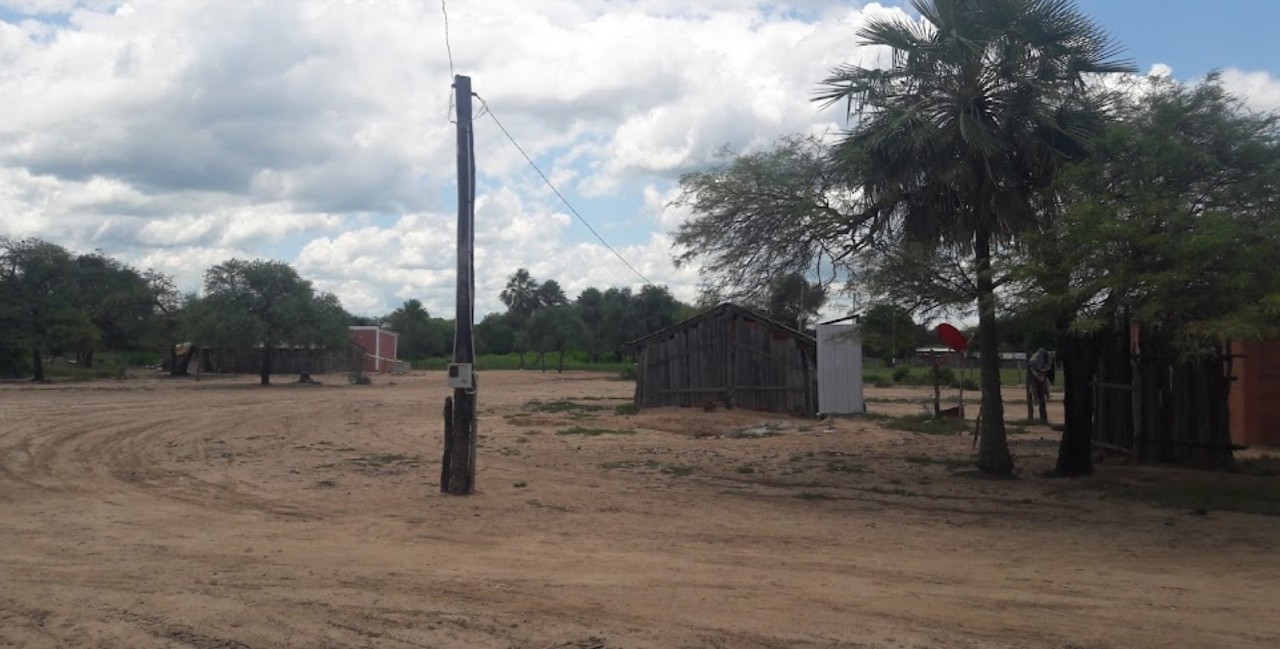
Conditions remain hard. INE found that 19.6% of indigenous people cannot read and write.
Only 25.3% of homes have running water, and 19.1% of people have health insurance.Land is a core dispute, because 16.5% of communities hold no land of their own.Another 26.0% rent or lend part of theirs, including to Brazilian and Mennonite farmers.
Work is mostly informal: 55.5% of employed indigenous people work for themselves, against 25.0% who are private-sector employees. Many families also hunt, fish, farm and gather for their own use, as INE’s community survey records.
How the Groups Live Together
Most Paraguayans are Catholic and share Guaraní as a common language, so divides run along land, income and place. The sharpest gap separates indigenous communities from the rest of the country.
Public land, much of it indigenous, was sold off from 1883. The Itaipú dam, built with Brazil, took 50,000 hectares from 35 indigenous communities in Alto Paraná and Canindeyú, INE’s study records.
Languages and Religion
Paraguay is officially bilingual: the 1992 constitution names Spanish and Guaraní as official languages. Guaraní is also spoken by thousands of non-indigenous people, as INE’s language study notes.
Indigenous languages are under pressure, though. Among indigenous people aged 5 and over, 48% named their own language first at the 2022 census, down from 73% in 2002.
The picture differs by people: 99.0% of Ayoreo and 97.9% of Nivaclé put their own tongue first. Among the Ava Guaraní only 12.0% do, because most use Guaraní as their first language.
- Catholics: 88% of Paraguayans, according to a Vice Ministry of Worship estimate cited in the US State Department’s 2023 religious freedom report.
- Evangelical Protestants: 6% in that same estimate, while an evangelical ministers’ association puts the figure at 9.6%.
- Mennonites: about 46,000, according to church leaders, prominent in the Chaco, where colonies were founded from 1926 by settlers from Canada and the Soviet Union.
- Muslims (about 10,000, mostly in Ciudad del Este) and Jews (about 1,000, mostly in Asunción) are small communities by their own leaders’ estimates.
Migration and the Paraguayan Diaspora
At the 2022 census, 158,803 residents, or 2.6%, were born abroad. Argentines made up 41.5% of them and Brazilians 33.2%.
The Brazilian-born group has shrunk from 108,526 people in 1992 to 53,580 in 2022. Newer arrivals include Brazilian students and skilled workers, plus Venezuelans, who make up 2.3% of those born abroad.
Paraguayans Abroad
Far more Paraguayans live abroad than foreigners live in Paraguay. Argentina’s 2022 census found 522,598 Paraguay-born residents, Spain’s 2021 data 106,620, Brazil’s 2022 census 58,286 and US data about 26,810 around 2020.
The Argentine total has stalled since 2010, when it stood at 550,713. INE says Spain, Brazil and the United States have grown moderately instead.
What It Means for US Readers
Paraguay is a small market with a young workforce, since about 66% of its 6.11 million people are of working age. Spanish and Guaraní are both official languages, and indigenous communities report limited access to water and health insurance.
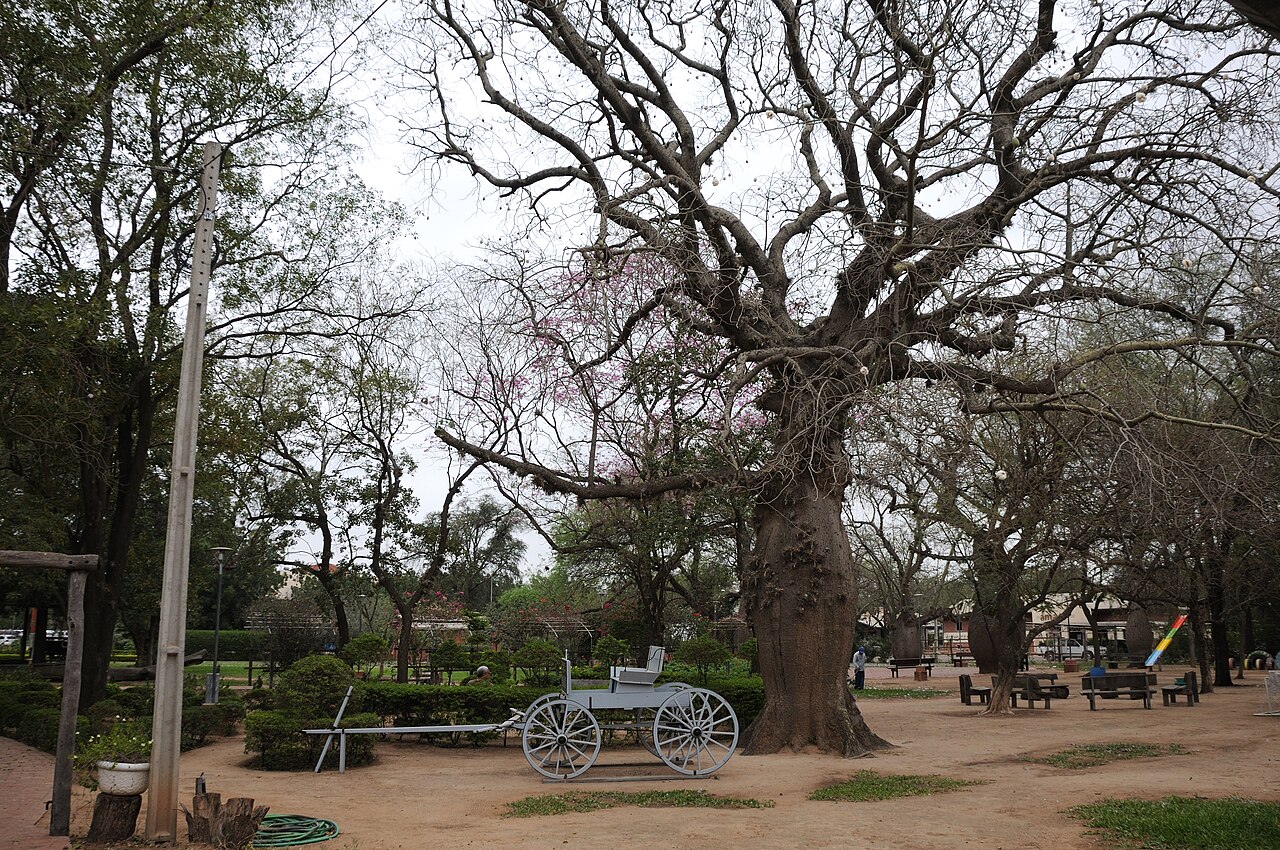
Asunción, Ciudad del Este and the Mennonite town of Filadelfia in the Chaco show three different sides of the country. Our Paraguay country page collects the latest coverage.
Read next: Paraguay geopolitics and Paraguay and the Southern Cone. Also see Paraguay culture and living in Paraguay as an expat.
What Is Not Known
Faith shares are estimates by the government and by church leaders, not census counts. Counts of Paraguayans abroad come from other countries’ censuses, taken in different years.
INE’s projections to 2050 depend on birth and migration trends that can change. The 2022 census itself is the firmest figure in this guide, and every other number carries its year.
Frequently Asked Questions
How many people live in Paraguay?
The Paraguay population was about 6.11 million at the 2022 census. INE projects 7.12 million by 2050, as growth slows to about 0.18% a year.
What ethnic groups live in Paraguay?
The 2022 census counted 140,049 indigenous people, 2.3% of the total, in 19 peoples. Mennonite settlers, Brazilian-born residents and Argentine-born residents are the other communities named in official data.
What languages do Paraguayans speak?
Spanish and Guaraní are both official languages under the 1992 constitution. Indigenous peoples speak 19 groups’ own languages from five language families.
What is the main religion in Paraguay?
Roman Catholicism, at about 88% by a Vice Ministry of Worship estimate. Evangelical Protestants are estimated at 6% to 9.6%.
Is Paraguay mostly urban or rural?
Mostly urban. At the 2022 census, 69% of people lived in urban areas, with Asunción and the Central department holding 38% of the country.
Where do Paraguayans emigrate?
Mainly to Argentina, with 522,598 Paraguay-born residents in 2022, then Spain, Brazil and the United States.
Sources: INE Paraguay, Censo Nacional de Poblacion y Viviendas 2022, Cuadro A2 (population by urban-rural area and department), 2026-10-29; INE Paraguay, Estructura y caracteristicas sociodemograficas de la poblacion, Censo 2022, 2026; INE Paraguay, Migracion interna e internacional, Censo 2022, 2026; INE Paraguay, IV Censo Nacional Indigena 2022: Diversidad de lenguas habladas por los pueblos indigenas, 2026-08; INE Paraguay, IV Censo Nacional Indigena 2022: Condiciones de vida de la poblacion indigena, 2026; US State Department, 2023 Report on International Religious Freedom: Paraguay, 2024; Constitution of Paraguay (1992, rev. 2011), Article 140 on official languages, 2011.
This article was produced by The Rio Times’ automated newsroom system. How we use AI · Report an error · Editorial responsibility: Matthias Camenzind, Editor-in-Chief
Expat Guide to Paraguay
What The Rio Times publishes for foreigners who live in or move to Paraguay.
Start here
- Best Places to Live in Paraguay for Expats 2026, Ranked
- Investing in Paraguay as a Foreigner 2026 — Taxes and Property
- Uruguay vs Paraguay for Expats in 2026: Cheap Living or a Tax Holiday
- Moving to Paraguay in 2026 — Rents, Heat and the First Year
City guides
Coming up in Paraguay
- Marco Antonio Solís in Asunción, Paraguay: Gratitud Tour Plays the Jockey Club on 31 October 31 Oct
- Ed Sheeran in Asunción, Paraguay: First-Ever Show in the Country at La Nueva Olla on November 26, 2026 — FINNEAS Opens 26 Nov
Understand Paraguay
Brazil runoff date: Sunday, October 25, poll closing times and when results start · Brazil runoff polls: Flávio 51%, Lula 49% · Kalshi and Polymarket odds
Rotate for Best Experience
This report is optimized for landscape viewing. Rotate your phone for the full experience.
You've reached your free article limit
Subscribe to The Rio Times for unlimited access to our news, expat and nomad guides and market intelligence on Latin America and Africa.
Keep reading for free
Your first article was on us. Register with your email address to read 6 free articles every month. You will also receive The LatAm Brief: what moved in Latin American markets, politics and expat life, every weekday morning.
Expat Guide to Paraguay
What The Rio Times publishes for foreigners who live in or move to Paraguay.
Start here
- Best Places to Live in Paraguay for Expats 2026, Ranked
- Investing in Paraguay as a Foreigner 2026 — Taxes and Property
- Uruguay vs Paraguay for Expats in 2026: Cheap Living or a Tax Holiday
- Moving to Paraguay in 2026 — Rents, Heat and the First Year
City guides
Coming up in Paraguay
- Marco Antonio Solís in Asunción, Paraguay: Gratitud Tour Plays the Jockey Club on 31 October 31 Oct
- Ed Sheeran in Asunción, Paraguay: First-Ever Show in the Country at La Nueva Olla on November 26, 2026 — FINNEAS Opens 26 Nov
Understand Paraguay