From January to May, Mexico’s National Institute of Migration (INM) found 1,393,683 foreign nationals traveling through the country under irregular conditions.
These individuals originated from an extensive range of 177 countries, predominantly from regions like Central America, South America, and the Caribbean.
The demographic largely comprised males. The detailed report reveals distinct patterns.
738,270 adult males traveled solo, while 362,979 adult females journeyed unaccompanied.
Additionally, family units involving 154,291 adults were also identified. Accompanying adults with minors numbered 135,151, alongside 2,992 solitary minors.
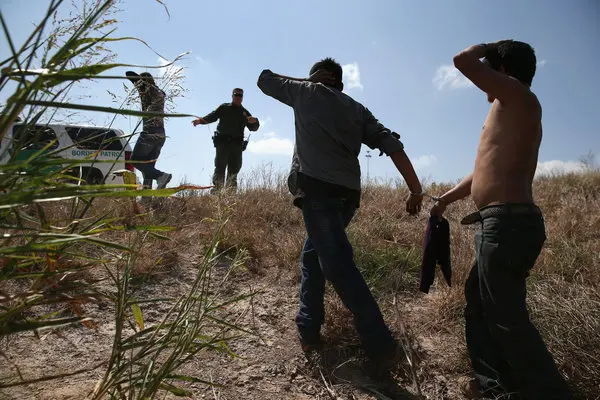
Authorities directed unaccompanied adults to migration stations for necessary administrative procedures, ensuring adherence to legal standards.
Conversely, families and solitary minors received care from the National System for Integral Family Development (SNDIF), focusing on their welfare and safety.
This surge in migration reflects broader global dynamics, where increasing numbers seek new lives amid challenging conditions back home.
The dangers they face are real and harrowing, ranging from human trafficking to extortion and kidnapping.
Mexico’s response highlights a pressing need for robust regional cooperation.
Plans are underway to enhance Latin American collaboration, aiming to secure safer, regulated migration pathways.
This initiative not only addresses immediate safety concerns but also fosters longer-term integration efforts.
Understanding these developments is crucial as they shape regional stability and humanitarian outcomes.
More: Mexico news in English, every day from The Rio Times.
This article was produced by The Rio Times’ automated newsroom system. How we use AI · Report an error
Read More from The Rio Times