Eyeing the Future: U.S. Elections Stir Economic Forecast Fears in Mexico
With the U.S. presidential elections on the horizon, Mexican President Andrés Manuel López Obrador signals concerns over potential economic adjustments.
At a recent briefing, López Obrador warned that new U.S. policies could impact globally, given America’s economic role.
López Obrador’s comments reflect his efforts to secure Mexico’s finances as he prepares to hand over leadership to Claudia Sheinbaum.
His administration has avoided excessive debt accumulation during the COVID-19 pandemic, emphasizing fiscal prudence.
Moreover, the president critiqued the rejection of U.S. migration reform, viewing it as politically charged, especially in an election year.
He advocates regularizing long-term Mexican migrants in the U.S. and proposes a collaborative strategy for Latin America.
The looming elections might pit Donald Trump against Joe Biden again, heightening the stakes for Mexico.
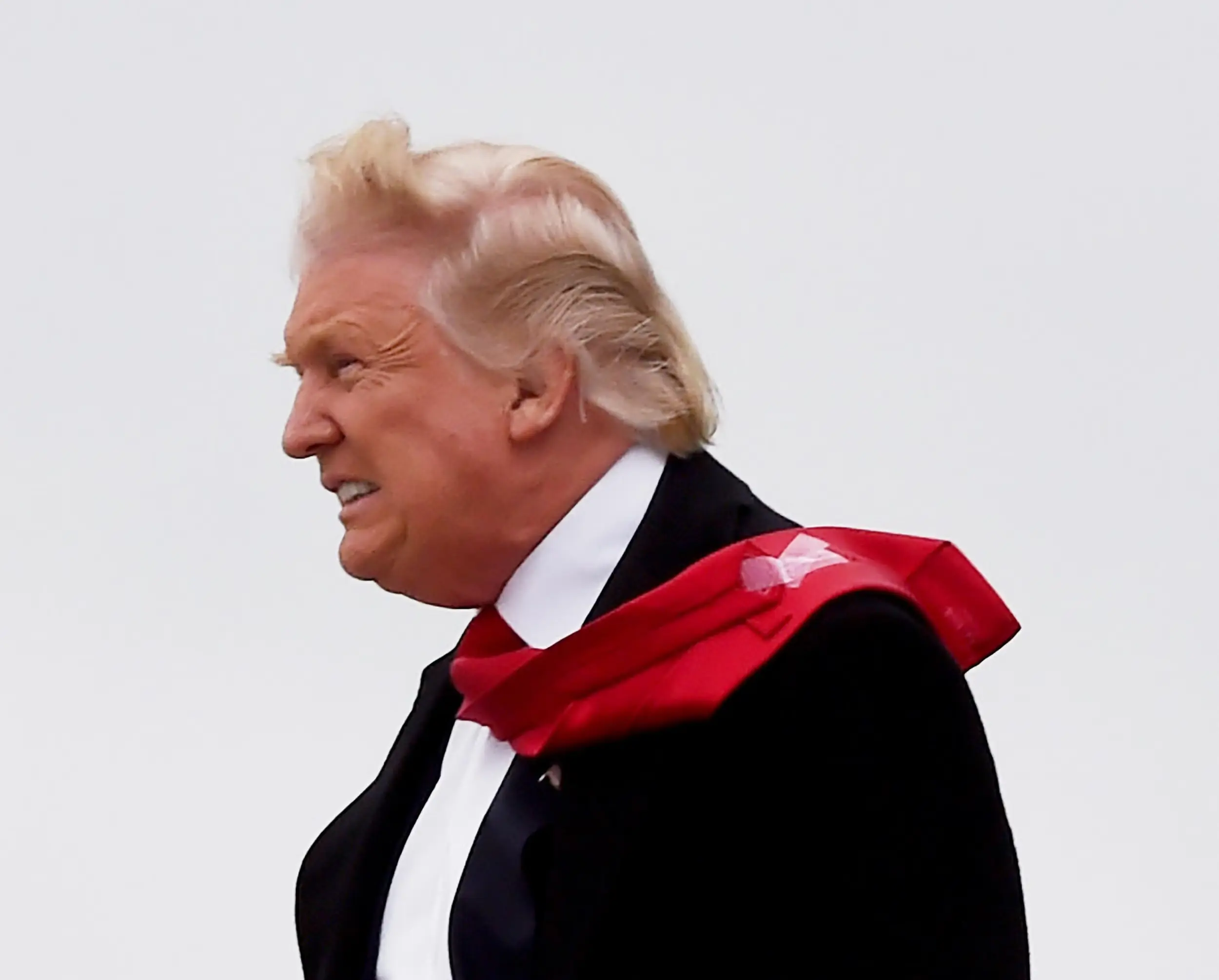
As the U.S.’s primary trade partner, any economic turbulence in the U.S. affects Mexico directly.
In 2023, Mexico’s economy grew by 3.2%, marking it as a significant player in Latin America.
The economic interdependence between Mexico and the U.S. underscores the broader implications of America’s electoral outcomes.
Background – U.S. Elections Stir Economic Forecast Fears in Mexico
Here’s the likelihood ranking for each economic impact on Mexico under Trump’s potential re-election and trade policies:
- Increased Tariffs: High Probability. Given Trump’s record and views, reinstating or raising tariffs on Mexican goods is highly probable.
- Supply Chain Disruptions: Moderate to High Probability. Supply chain disruptions are likely, particularly in tightly linked sectors like automotive and manufacturing sensitive to tariffs.
- Trade War Risks: Moderate Probability. A full-scale trade war hinges on initial tariff reactions; Mexico may favor negotiation based on diplomatic and economic factors.
- Investment Deterrence: Moderate Probability. Higher tariffs and trade tensions could deter Mexican investment in the U.S., depending on enacted policies and economic conditions.
- Currency Volatility: Moderate to High Probability. Trade policies and economic uncertainty make the Mexican Peso likely to face volatility amid increased trade tensions.
- General Economic Impact: High Probability. Significant economic shifts could destabilize the U.S. and Mexican economies due to their tight linkage and potential policy changes.
These assessments are based on the economic and political dynamics typically observed in U.S.-Mexico relations under similar circumstances in the past.
More: Mexico news in English, every day from The Rio Times.
This article was produced by The Rio Times’ automated newsroom system. How we use AI · Report an error
In depth
Read More from The Rio Times