NIGERIA · AGRIBUSINESS
Key Facts
- —The launch Olam Agri launched its Tru Value cattle feed range in Kaduna State on 11 September 2026.
- —The products Beef Pellet, Beef Plus Pellet and Dairy Pellet.
- —Why it matters It is the company’s first move into ruminant nutrition in Nigeria.
- —Existing capacity More than 800,000 tonnes of poultry feed a year, and over 150,000 tonnes of aqua feed from Ilorin, Kwara State.
- —The market Expert Market Research puts Nigerian animal feed at 15.45 million tonnes in 2025, rising to 18.47 million by 2035.
- —The qualifier That implies a compound annual growth rate of just 1.80%.
A feed market growing at under two percent a year is not a boom. What makes cattle feed worth entering is that almost nobody in Nigeria buys it yet.
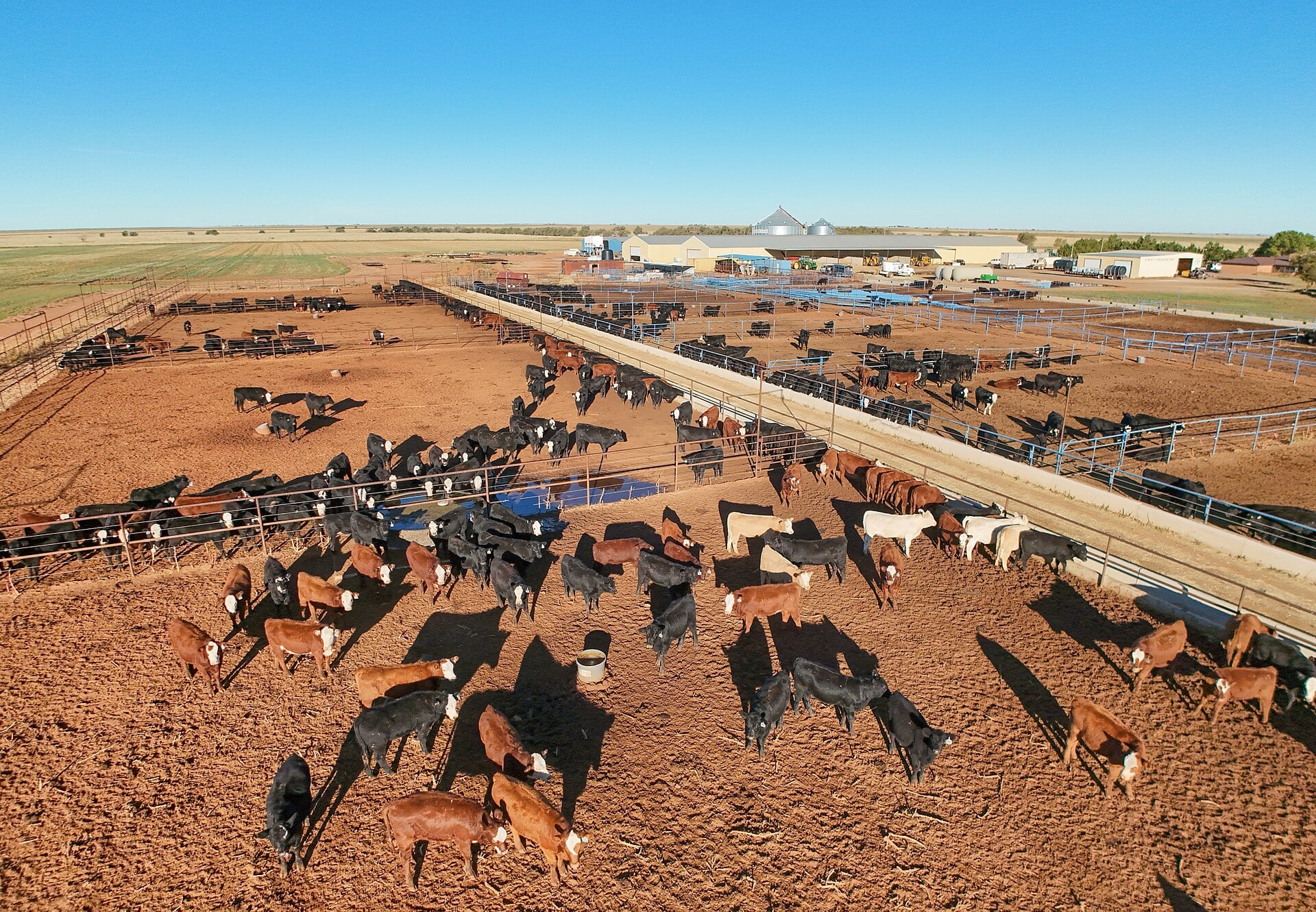
Olam Agri has launched a range of cattle feed in Kaduna State, its first move into ruminant nutrition in Nigeria, adding beef and dairy pellets to a business built on poultry and fish feed.
What Was Launched
The Tru Value range was presented in Kaduna State on 11 September 2026 and comprises three products: Beef Pellet, Beef Plus Pellet and Dairy Pellet.
Sharad Gupta, president and global head of integrated feed and protein at Olam Agri, presented the range. Alhaji Idi Mukhtar Maiha, minister of livestock development, said quality animal nutrition remains one of the most important factors in achieving better growth rates, improved milk yields and higher returns for farmers.
What Olam Already Runs
The company operates an integrated feed mill, poultry breeding farm and day-old-chick hatchery in Kaduna, and an aqua feed plant in Ilorin, Kwara State.
Capacity is more than 800,000 tonnes of poultry feed a year and over 150,000 tonnes of aqua feed. Olam says it supplies more than 15,000 local fish farmers, a figure the company provides and which The Rio Times has not independently confirmed.
The base was built on a US$150 million investment announced in April 2016, about N30 billion at the roughly N200 to the dollar then prevailing, split about US$100 million in Kaduna and US$50 million in Kwara, with combined capacity initially projected above 600,000 tonnes a year.
The Market Number, and Its Problem
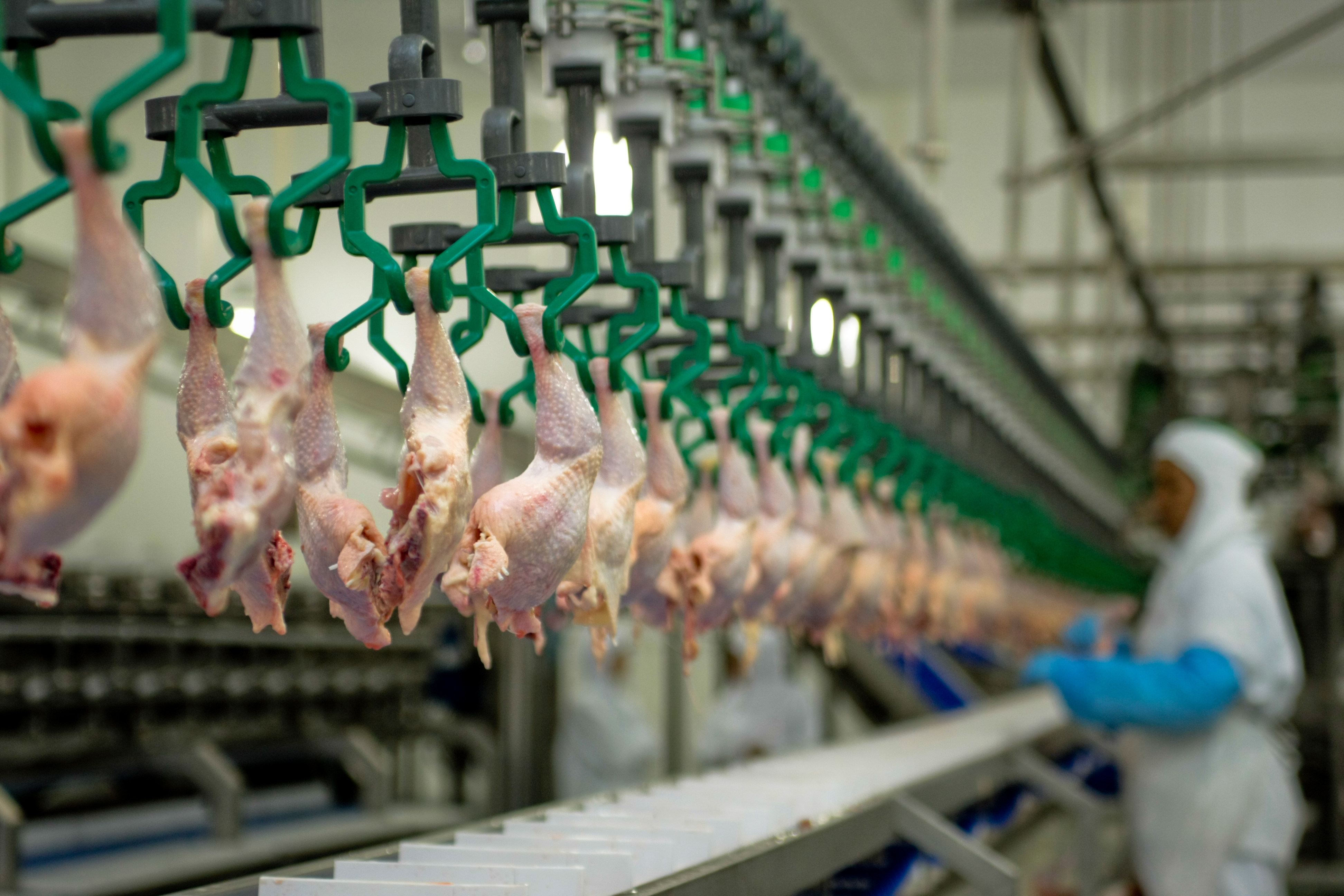
Expert Market Research puts Nigeria’s animal feed market at 15.45 million tonnes in 2025, rising to 18.47 million tonnes by 2035. That is roughly three million tonnes over a decade.
Spread across ten years, it is a compound annual growth rate of 1.80%, which is below plausible population growth and does not describe a high-growth market. Anyone citing the 18.47 million figure without the growth rate is describing a bigger opportunity than the data supports.
The Rio Times reports both numbers because only together do they mean anything.
Why Ruminant Feed Anyway
The better argument for entering is penetration rather than growth. Most Nigerian cattle are raised on open grazing and crop residues, not on formulated feed, so the addressable market is defined by conversion rather than by expansion.
Nigeria’s Livestock Master Plan 2026 to 2040, adopted in April 2026 and developed with the International Livestock Research Institute, projects cattle numbers rising to 75 million by 2040 from around 61 million, sheep to 110 million and goats to 199 million.
The same plan identifies a feed dry-matter shortfall of 8.33%, with 194.7 million tonnes available against 212.4 million tonnes required. That gap, not a vendor growth rate, is the case for the business.
What Olam Brings
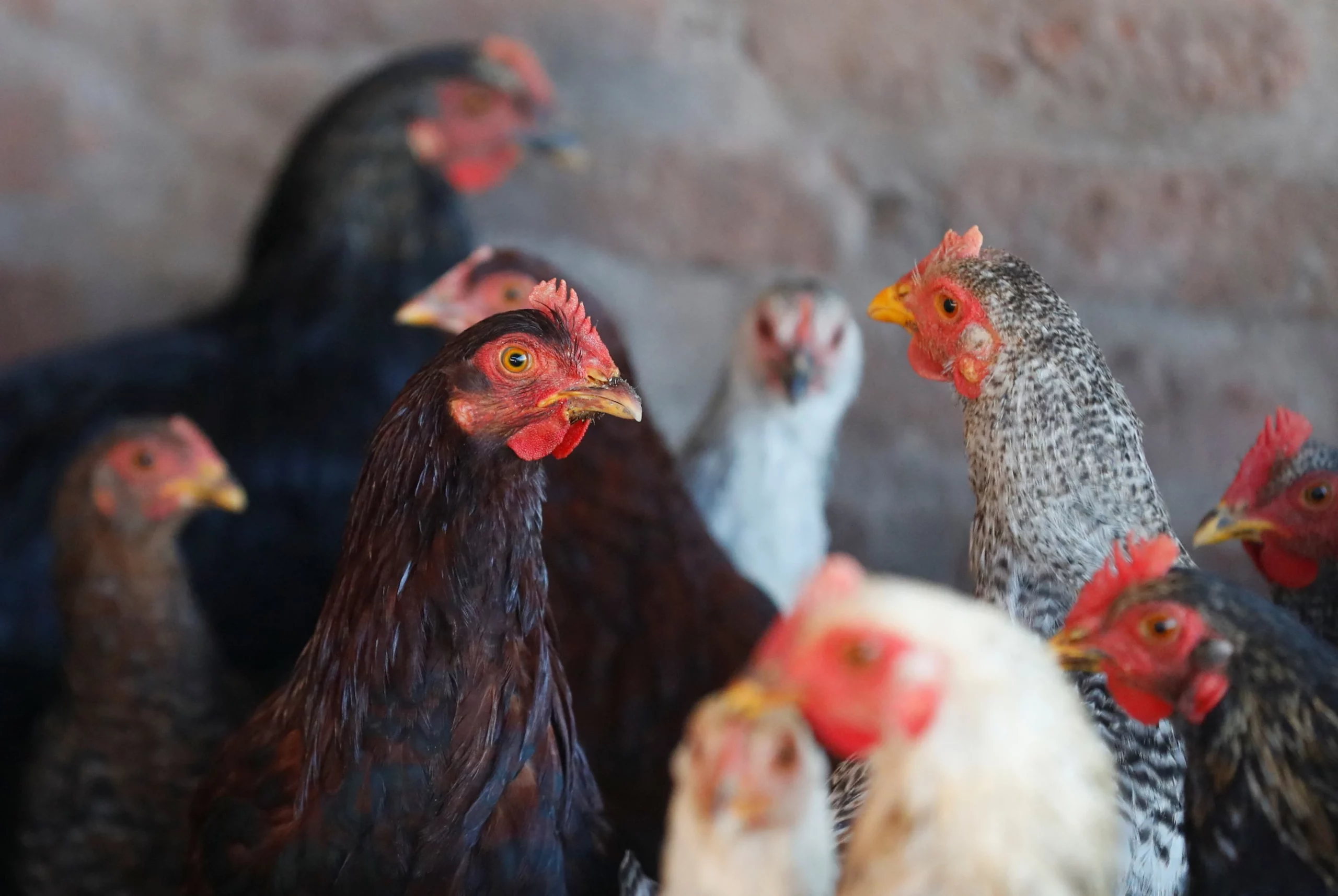
Olam Agri is among Nigeria’s larger buyers of maize and soybean, the two principal feed inputs, which gives it a position in raw material sourcing that smaller mills do not have. The company has not published procurement volumes and The Rio Times does not state a figure.
Distribution is the harder problem. Poultry feed reaches concentrated commercial farms; cattle feed has to reach dispersed pastoral and semi-settled herders, which is a different logistics question entirely.
A Sourcing Note
The launch details come from a sponsored release carried by Premium Times under its promoted section, supplemented by Ecofin Agency and trade press. The Rio Times notes the provenance because a company launch is not independent reporting.
The market projection is from a commercial research house rather than a statistical authority, and is attributed accordingly.
More: Africa news in English, every day from The Rio Times.
Frequently Asked Questions
What did Olam Agri launch?
The Tru Value cattle feed range — Beef Pellet, Beef Plus Pellet and Dairy Pellet — in Kaduna State on 11 September 2026.
Is this new for the company?
Yes. It is its first move into ruminant nutrition in Nigeria, after poultry and fish feed.
How big is Nigeria’s feed market?
15.45 million tonnes in 2025, projected at 18.47 million by 2035 — a growth rate of 1.80% a year.
What capacity does Olam have?
More than 800,000 tonnes of poultry feed a year and over 150,000 tonnes of aqua feed from Ilorin.
What did it invest?
US$150 million announced in April 2016, about US$100 million in Kaduna and US$50 million in Kwara.
Sources: Premium Times (promoted), Ecofin Agency, Feed Business MEA, Olam Agri, Nigeria Livestock Master Plan 2026–2040.
This article was produced by The Rio Times’ automated newsroom system. How we use AI · Report an error
LatAm Markets: Live Signals → — real-time movers, turnover leaders and FX across Latin America.
Read More from The Rio Times