Nigeria’s SEC Approves Tokenized Equities on NASD Platform
Nigeria · FINANCE
Key Facts
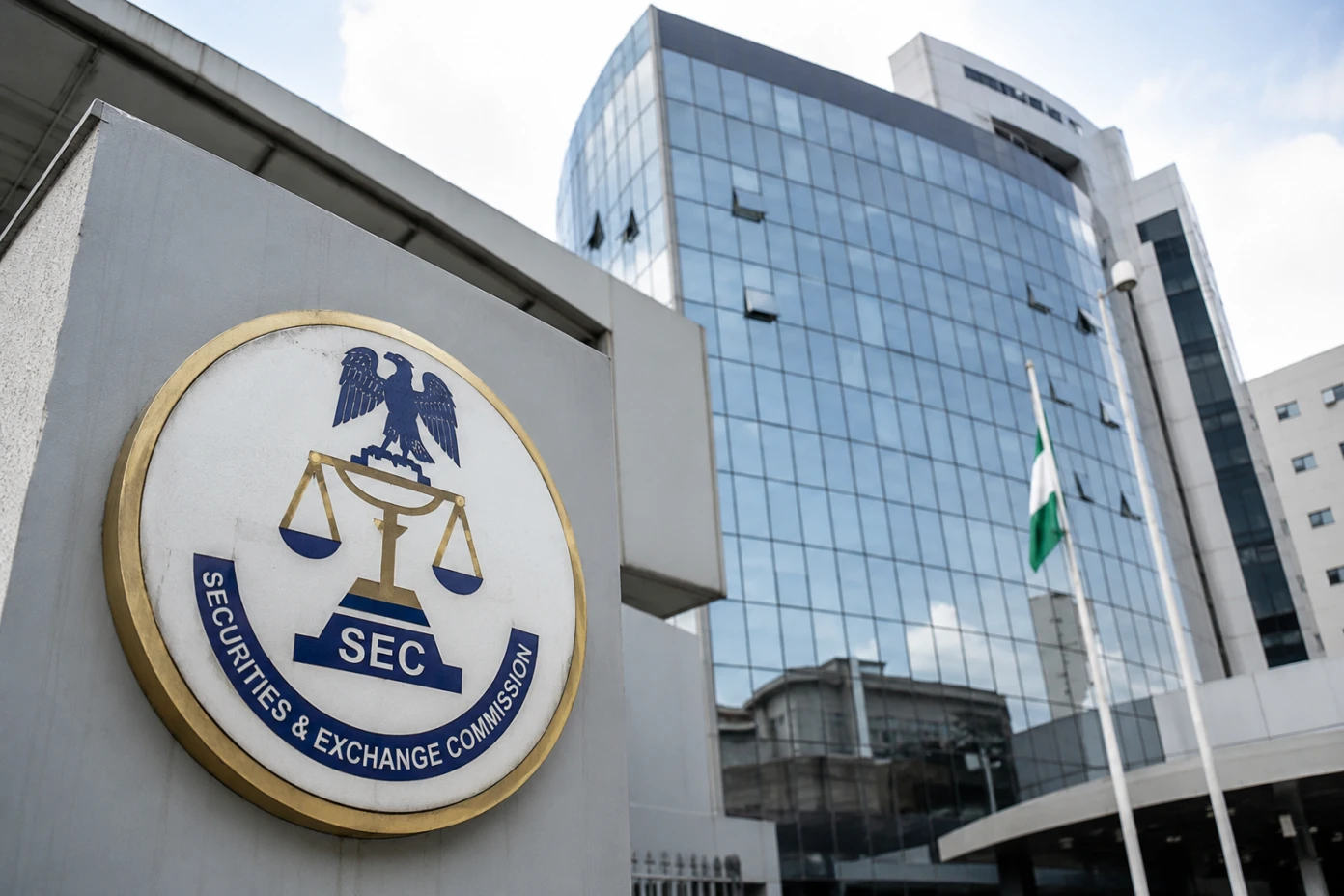
The approval: Nigeria’s Securities and Exchange Commission has authorised tokenized equities trading on the NASD OTC Securities Exchange, the country’s over-the-counter market for unlisted securities.
The platform: Trading will occur on the NASD Digital Securities Platform, built on blockchain infrastructure supplied by Toronto-based Blockstation Inc.
The timeline: The first public digital securities offering is expected in September 2026.
The legal basis: President Bola Ahmed Tinubu signed the Investments and Securities Act 2025 on 29 March 2025, explicitly defining digital and virtual assets as securities under SEC jurisdiction.
The parallel market: Luno, owned by Digital Currency Group, already offers Nigerian users access to over 60 tokenized United States and global equities and exchange-traded funds with a minimum ticket of ₦100.
The oversight structure: A 2026 Presidential Executive Order created a Virtual Asset Council chaired by the Central Bank of Nigeria to coordinate regulation across the central bank, the SEC, tax authorities and security agencies.
Nigeria has authorised fully regulated tokenized equities trading through the NASD OTC Securities Exchange, marking the country’s first move into blockchain-based trading of traditional securities under formal capital-markets oversight.
What the tokenized equities approval entails
Nigeria’s Securities and Exchange Commission has approved the issuance and trading of tokenized versions of traditional shares through the NASD OTC Securities Exchange, the Lagos-based over-the-counter market for unlisted securities. Firms will be able to issue tokenized assets backed by equity and other securities, which can then trade digitally on the newly launched NASD Digital Securities Platform.
The platform, known as NDSP, is a fully regulated venue for issuing, trading, clearing and settling tokenized securities. It runs on blockchain infrastructure supplied by Blockstation Inc., a Toronto-based digital asset and tokenization technology provider.
The first public digital securities offering is expected in September 2026. The immediate focus is on tokenized Nigerian equities and other securities quoted on NASD, though the rule set allows equity, debt and other asset-backed tokens provided they meet SEC requirements.
The regulatory revolution behind tokenized equities
The approval is the culmination of a multi-year regulatory pivot from hostility to structured engagement with digital assets. In February 2021, the Central Bank of Nigeria barred banks from offering accounts or services to crypto exchanges, effectively forcing crypto activity off-grid and peer-to-peer.
Regulators then began building a formal framework. In May 2022, the SEC issued its first comprehensive Rules on Issuance, Offering Platforms and Custody of Digital Assets, defining digital tokens representing debt or equity claims as securities. In December 2023, the central bank reversed its banking blockade and issued guidelines allowing banks to open accounts for virtual asset service providers licensed or registered with the SEC.
The real watershed came on 29 March 2025, when President Bola Ahmed Tinubu signed the Investments and Securities Act 2025 into law. The 226-page Act explicitly defines digital and virtual assets as securities where they exhibit investment characteristics, formally placing them under SEC jurisdiction and giving the commission sweeping powers over issuance, trading, promotion and enforcement.
A 2026 Presidential Executive Order on Virtual Assets Coordination then established a Virtual Asset Council chaired by the central bank. The council coordinates regulation across the central bank, the SEC, tax authorities and security agencies without creating a new regulator or transferring existing powers.
Why NASD and not the main stock exchange
Choosing NASD as the launchpad for tokenized equities is strategic. NASD already specialises in unlisted public companies and alternative investments, and is often more nimble than the Nigerian Exchange in experimenting with new instruments.
As an OTC platform, NASD can pilot new models including blockchain settlement and fractional tokens with smaller, growth-stage issuers before the architecture migrates to the main exchange. For policymakers, it is less systemically risky to start in the OTC segment and scale up once legal, technical and operational kinks are worked out under SEC supervision.
NASD and its tokenisation partner were first brought into the SEC’s regulatory incubation sandbox. The SEC admitted NASD Plc and VineKross Technologies Ltd for a one-year period to pilot asset-backed tokens under supervision, a process that has now culminated in full SEC approval.
The parallel wave of tokenized global stocks
In parallel to NASD’s domestic tokenization push, private exchanges are offering tokenized foreign assets into the Nigerian market. Luno, the crypto platform founded in Africa and now owned by Digital Currency Group, launched tokenized global stocks in Nigeria, giving retail users access to over 60 United States and global equities and exchange-traded funds directly in naira.
Minimum tickets are as low as ₦100. These stocks are issued through xStocks by Kraken and Backed Finance, which tokenize US equities and ETFs offshore and then offer them through Luno’s interface.
Luno’s Nigeria tokenized stocks product initially launched without explicit Nigerian regulatory approval, highlighting the tension between innovation and formal licensing. Other players including Bitget are also marketing tokenized US stocks, ETFs and commodities like gold and silver to Nigerian traders as real-world assets on crypto rails.
The domestic economic logic for tokenized equities
Nigeria has Africa’s largest gross domestic product and population but a relatively shallow and concentrated equity market, with a small portion of firms listed and limited retail participation. By allowing tokenized versions of shares, the SEC and NASD aim to deepen access to capital and modernise market infrastructure, lowering entry thresholds and enabling fractional ownership.
Nigerian savers have been aggressively using crypto, stablecoins and offshore fintech apps to hedge naira depreciation and access foreign assets, fuelling capital outflow and foreign-exchange volatility. Regulated onshore tokenized securities offer a way to channel demand for digital exposures into supervised venues rather than losing it to offshore exchanges.
The move also aims to monetise Nigeria’s crypto-native population. Luno’s early results in South Africa, where 10,000 people invested in tokenized stocks within the first month, were cited when the product was extended to Nigeria, suggesting strong retail appetite for such formats.
The great-power context and what to watch next
Tokenized equities in Nigeria sit at the confluence of global experiments in tokenization and a broader contest over who sets rules and owns rails in digital finance in the Global South. Nigeria’s framework is notably closer to US and European Union securities-law logic than to a crypto-as-parallel-system approach, with requirements for disclosure, anti-money-laundering controls and custodial licensing tracking the language of Western regulatory blueprints.
At the infrastructure level, NASD’s reliance on Blockstation from Canada and exchanges’ use of Kraken and Backed Finance from the US and Europe tie Nigeria’s tokenization stack into North American and European legal and tech ecosystems. For Western policymakers and firms, Nigeria’s approach presents an opportunity to become a reference model for other African states on digital-asset law, as explored in our pillar Africa: The New Scramble.
The same state capacity that allows Nigeria to legalise and structure tokenized markets can also introduce sudden policy shifts. Changes in council composition, foreign-exchange pressures or political scandals could trigger tighter controls on dollar-linked or foreign tokenized products, and offshore tokenized-stock providers may still reach Nigerians via virtual private networks or peer-to-peer channels outside supervision.
More: Nigeria news in English, every day from The Rio Times.
Frequently Asked Questions
What are tokenized equities in Nigeria?
Tokenized equities are digital versions of traditional shares that can be issued and traded on the NASD Digital Securities Platform under full oversight of Nigeria’s Securities and Exchange Commission.
When will the first tokenized equities offering go live?
The first public digital securities offering on the NASD Digital Securities Platform is expected in September 2026.
Which law gives the SEC authority over digital assets in Nigeria?
The Investments and Securities Act 2025, signed by President Bola Tinubu on 29 March 2025, explicitly defines digital and virtual assets as securities under SEC jurisdiction.
Connected Coverage
For deeper analysis of how digital finance and great-power competition are reshaping African markets, read our pillar Africa: The New Scramble.
Sources
This article was produced by The Rio Times’ automated newsroom system. How we use AI · Report an error · Editorial responsibility: Matthias Camenzind, Editor-in-Chief
In depth
LatAm Markets: Live Signals → — real-time movers, turnover leaders and FX across Latin America.