Naira Firms to 1,315.67 per Dollar as CBN Holds Rate at 26.50%
Markets · Nigeria
Updated 1 time · Latest: 19 September 2026
Key Facts
- —The rate The naira traded at ₦1,315.6717 per US dollar on the official NFEM window on 3 September 2026. That was up from ₦1,326.6862 the day before.
- —The parallel market Street dealers quoted the dollar at roughly ₦1,400 buy and ₦1,410 sell in early September 2026. The figures come from Aboki FX and other street-rate trackers.
- —The gap The premium between the official and street rates was about ₦85 (US$0.06) to ₦95 (US$0.07) per dollar. That is roughly 6 to 7 percent.
- —The policy stance The Central Bank of Nigeria, or CBN, held its benchmark Monetary Policy Rate at 26.50 percent. That decision came at its July meeting, on 20-21 July 2026. We have not confirmed the outcome of the 21-22 September meeting.
- —The reserve cushion Nigeria’s foreign reserves hit US$54.08 billion on 3 September 2026, the highest level in 18 years, the CBN reported.
Foreign investors and remittance senders now see a Nigerian market where the official naira is firming slowly. The street rate still trades at a premium, but that premium has been shrinking. The naira has stabilised and firmed through 2026, the clearest payoff yet of the Tinubu FX reforms.
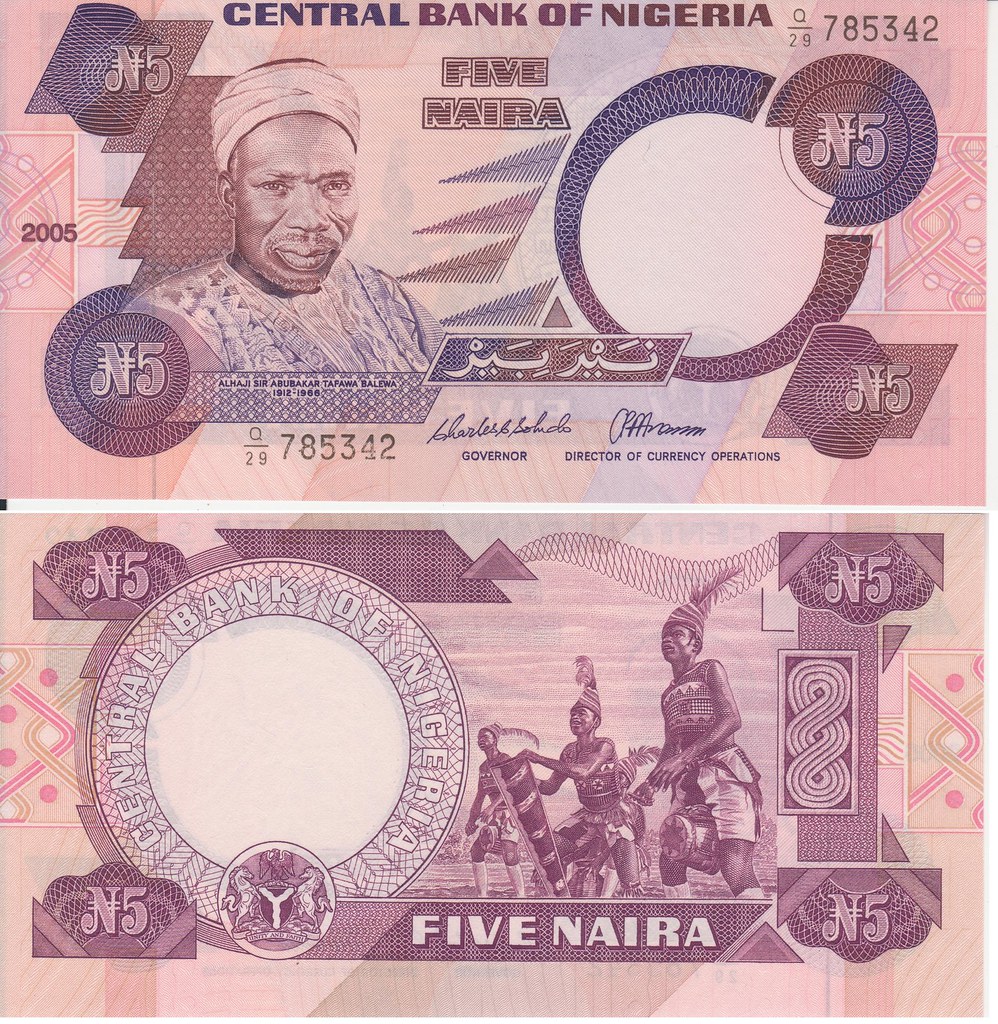
The central bank’s tight policy and record reserves are doing the heavy lifting. The naira outlook into 2027 will hinge on oil revenue and whether the official rate holds without fresh pressure.
The official rate: a slow crawl stronger
On Thursday 3 September 2026, the naira traded at ₦1,315.6717 per US dollar. This was on the Nigerian Foreign Exchange Market, or NFEM, the CBN’s official trading window.
One day earlier, on 2 September, the NFEM rate stood at ₦1,326.6862 per dollar. That is a two-day appreciation of about ₦11 (US$0.01), or roughly 0.8 percent.
The CBN also lists separate dollar sell and buy rates each trading day. For 2 September, those were ₦1,326.69 sell and ₦1,325.69 buy.
The euro was quoted at ₦1,538.43 sell and ₦1,537.27 buy that day. Sterling traded at ₦1,791.16 sell and ₦1,789.81 buy.
The official rate has moved from about ₦1,326 to about ₦1,315 within two trading days. That is a small but visible strengthening of the naira at the primary window.
For foreign investors, the official rate is the entry point for moving money through formal, reportable channels. The gap to street prices is the real test of how firm that official level is.
The parallel market still charges a premium
Street traders, also called the parallel or black market, quoted the dollar at roughly ₦1,395 to ₦1,405 in early September 2026. By 4 September, several trackers showed the rate firming further, to around ₦1,400 buy and ₦1,410 to ₦1,415 sell.
Against the official NFEM level near ₦1,315 to ₦1,326, that implies a premium of about ₦85 (US$0.06) to ₦100 (US$0.08) per dollar. That is a spread of roughly 6 to 7 percent, smaller than in past years.
A narrower gap suggests dollar demand outside the banking system is easing. It may also mean official supply has improved.
For remitters sending money home, the street market still pays more naira per dollar than a bank. But the gap has shrunk enough that many now prefer traceable, formal channels.
Interest rates: the CBN’s blunt shield
The CBN’s rate-setting body, the Monetary Policy Committee, or MPC, held the benchmark Monetary Policy Rate at 26.50 percent. The MPC is led by CBN Governor Olayemi Cardoso.
It made that call at its 306th meeting on 20-21 July 2026, the second straight hold. The next MPC meeting was set for 21-22 September. We have not confirmed its outcome, so 26.50 percent is the rate set by the July decision at Nigeria‘s central bank.
The CBN also requires deposit-taking banks to keep 45 percent of customer deposits locked away at the central bank, earning little interest. This drains naira cash from the system and curbs demand for dollars.
High rates make naira savings more attractive to foreign investors seeking returns. They also make loans more expensive for ordinary Nigerian businesses and households.
Inflation eases, but food prices are the wild card
Headline inflation, measured by the National Bureau of Statistics, or NBS, fell to 15.43 percent year-on-year in July 2026. That was down from 15.91 percent in June and marked a second straight monthly decline.
Food inflation moved the other way. It jumped to 20.31 percent year-on-year in July, the highest reading in ten months, even as the headline rate fell.
Core inflation, which strips out volatile food and energy prices, stood at 14.97 percent in July. A year earlier, headline inflation had been running near 25 percent, so the overall trend remains one of easing.
A falling headline rate and a 26.50 percent policy rate together mean real returns on naira assets are unusually high. But for ordinary Nigerians, rising food prices mean the cost-of-living squeeze has not eased at all.
Reserves hit an 18-year high
Nigeria’s gross foreign reserves reached US$54.08 billion on 3 September 2026, the CBN reported. That is the highest level in 18 years and gives the bank real firepower to defend the official rate.
Nigeria’s economy also grew 4.43 percent year-on-year in the second quarter of 2026, the NBS said, its fastest pace in years. Stronger growth and oil receipts have helped rebuild the reserve buffer.
A well-stocked reserve position means the CBN can keep meeting import and investor demand for dollars without straining the official rate. That is the clearest sign yet that the naira’s recent calm rests on more than tight policy alone.
What this means for investors and remitters
A foreign investor buying naira at the official rate gets fewer naira per dollar than someone using the street rate. That gap, of roughly ₦85 (US$0.06) to ₦100 (US$0.08), is the cost of using formal, reportable channels.
Headline inflation is at 15.43 percent, well below the 26.50 percent policy rate, so returns on naira assets look strong on paper. That advantage would disappear quickly if the official rate were suddenly devalued.
For remitters, the official rate is now much closer to the street rate than it was a year ago. Formal transfer services may offer better value than they once did, though street dealers still pay a little more.
Background: our egypt growth outlook cut 5 percent inflation delays rate cuts guide.
More: Nigeria news in English, every day from The Rio Times.
The big picture: Nigeria explained — economy, politics, society and daily life in one read.
The naira outlook into 2027
Three things will decide where the naira goes next. The first is oil revenue, which funds the dollars the CBN uses to defend the rate.
The second is inflation. Food prices are still climbing even as the headline rate falls, and the CBN cannot safely cut rates while that split persists.
The third is the parallel-market gap itself. A premium of 6 to 7 percent is modest by Nigeria’s recent history, but it has not closed completely.
The main risk ahead is political. Campaigning for the early-2027 election began in August.
For the full macro picture, see our Nigeria economy 2026 briefing.
Record reserves of US$54.08 billion give the CBN more room to manage all three. The evidence so far points to a controlled, gradual adjustment rather than a sudden currency shock.
Connected Coverage
Nigeria’s Central Bank Cut a Rate Its Market Was Pushing Higher
Nigeria Is Back in the FTSE Frontier Index, Three Years On
Nigeria’s Exports to China Jump 81% After Tariffs End
The Big Picture
More from the Nigeria section
Frequently Asked Questions
What is the outlook for the Nigerian naira in 2026?
Cautiously positive. The naira has stabilised and firmed through 2026 as FX reforms matured, GDP growth accelerated to 4.43 percent in the second quarter and inflation cooled to 15.4 percent in July. The early-2027 election cycle is the main risk on the horizon.
Why did the naira crash in 2023 and 2024?
The Tinubu administration floated the currency and ended the fuel subsidy, unwinding years of an artificially managed exchange rate. The naira lost most of its value before reforms, tighter monetary policy and a cleared FX backlog restored stability.
Is the naira expected to strengthen further?
Analysts see gradual firming if oil output, reserves and reform momentum hold — but election-year spending and global oil prices can move the currency in either direction.
This article was produced by The Rio Times’ automated newsroom system. How we use AI · Report an error · Editorial responsibility: Matthias Camenzind, Editor-in-Chief
LatAm Markets: Live Signals → — real-time movers, turnover leaders and FX across Latin America.
Expat Guide to Nigeria
What The Rio Times publishes for foreigners who live in or move to Nigeria.
Start here
- Nigeria Security and Crime Explained 2026
- Davido Lagos Residency Books Three National Theatre Nights in Nigeria
- Nigeria Visa 2026: US$2,000 Residence Card, US$15 Daily Fine
- Healthcare in Nigeria for expats and what it actually costs
City guides
Coming up in Nigeria
- Lagos Church Opens Free Camp Meeting on 21 October 2026 21 Oct
- Lagos Fashion Week Runs 28 October to 1 November 2026 28 Oct
- AFRIFF 15 Film Festival Runs 1 to 7 November in Lagos 1 Nov
- CANEX WKND 2026 Opens in Lagos on 5 November 5 Nov
Understand Nigeria