
NIGERIA · SECURITY
Nigeria’s lawmakers are investigating what became of a US$460 million camera and communications network meant to protect Abuja, the capital. A committee of the House of Representatives, the lower chamber of parliament, began the probe in November 2025.
The network was supplied by ZTE, a Chinese telecoms group, and financed by China Exim Bank, a Chinese state lender. It matters to foreign suppliers and lenders because a UK research institute calls Nigeria Africa’s largest customer of surveillance technology contracts.
Key Facts
—Project. The National Public Security Communication System, a police camera and communications network for Abuja.
—Money. US$460 million was allocated to the scheme in lawmakers’ account; other records show a US$470 million ZTE contract.
—Probe. A 21-member House committee, chaired by Ojogo Kimikanboh, was inaugurated in November 2025.
—Scale. A UK institute counted at least US$2.7 billion in Nigerian surveillance contracts from 2013 to 2022.
—Unknown. The committee’s findings and the system’s current working state are not public.
Lawmakers want to know whether a US$460 million camera network for Abuja ever worked as promised. Their committee has not yet reported.
What Happened
The National Public Security Communication System, known as the Abuja CCTV (closed-circuit television) project, was meant to give Nigeria’s police and security agencies cameras, a communications backbone and emergency-response links. It was contracted to ZTE in August 2010.
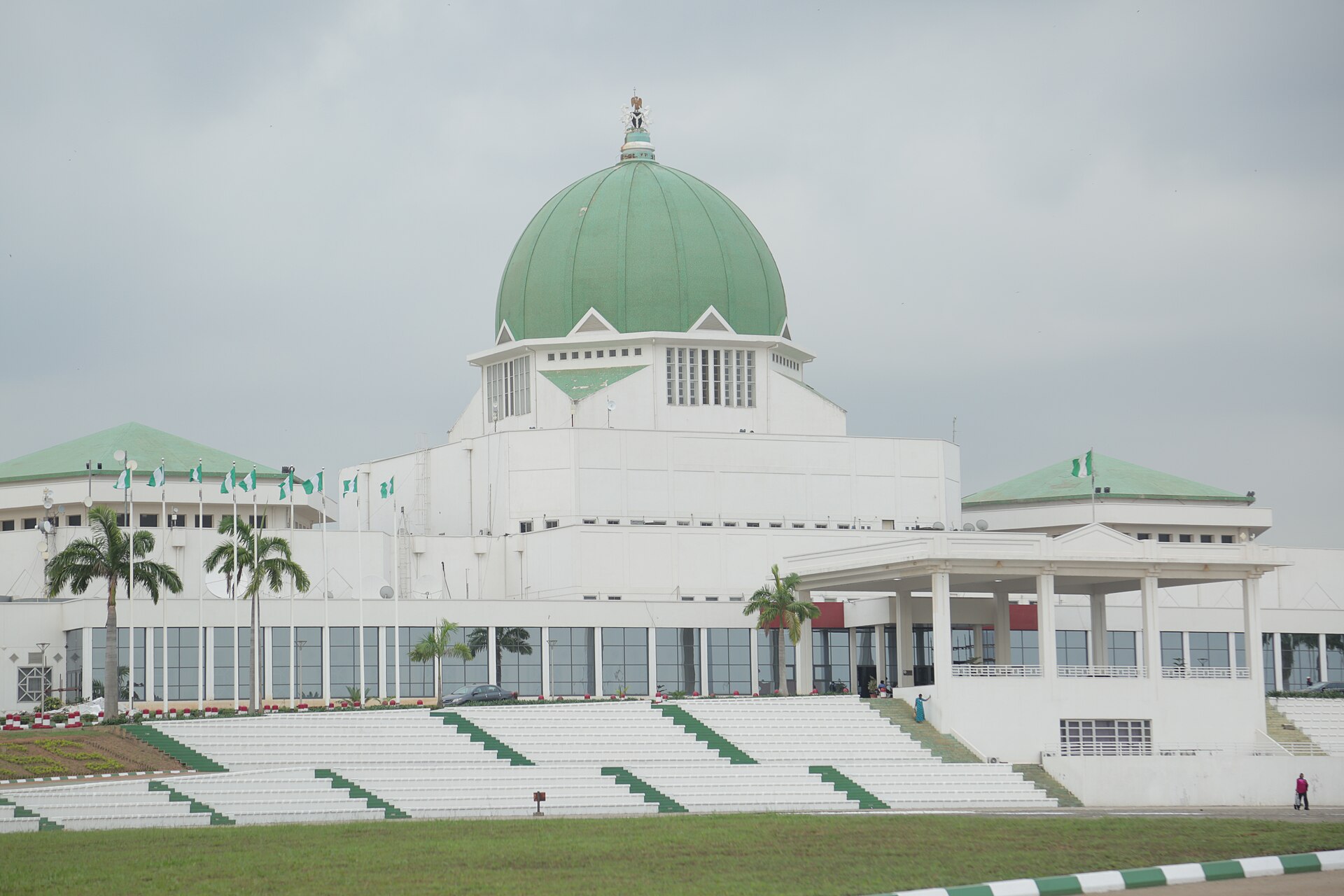
On Wednesday 22 October 2025 Amobi Ogah, a lawmaker from Abia State in south-eastern Nigeria, moved an urgent motion in the House of Representatives. The House later set up a temporary committee of 21 members, chaired by Ojogo Kimikanboh, which was inaugurated on Thursday 27 November 2025.
Its task is to audit the US$460 million, review the contracts and the system’s technical state, and name those responsible for any failure. It must also recommend whether to revive or overhaul the network.
Why It Matters
Nigeria was still repaying the loan at the end of 2020, so a failed system would leave the state paying for equipment it cannot use. AidData, a US research lab that tracks Chinese lending, records a US$399.5 million loan from China Exim Bank signed on 20 December 2010.
That loan financed 85% of a US$470 million ZTE contract signed on 7 August 2010, with Nigeria paying the rest. AidData lists US$307.31 million of principal still outstanding at the end of 2020, citing the data of Nigeria’s debt agency, the Debt Management Office.
Lawmakers describe the financing differently, as a US$600 million Chinese credit line with US$460 million going to the cameras. The two sets of figures do not match, and we could not reconcile them.
The Institute of Development Studies, a UK research body, published a study with a digital rights research network on 27 September 2023. It found at least US$2.7 billion in known Nigerian surveillance contracts from 2013 to 2022, about US$12 per citizen, and calls Nigeria Africa’s largest customer of such contracts.
The study says Huawei and ZTE, two Chinese technology groups, supply “safe city” systems in Lagos and Abuja, using CCTV with facial and number plate recognition. A safe city system links street cameras to a police control room.
What Happens Next
The House committee has to report its findings and say whether the system should be revived or replaced. We found no published report or deadline as of 10 November 2026.
Earlier coverage includes our report on attacks on Nigerian police and our report on the state police vote. See also our Nigeria news page.
What It Means for You
For foreign suppliers and lenders, the probe shows that Nigerian contracts can face a parliamentary audit years after they are signed. For visitors to Abuja, no public audit yet says whether the city’s cameras work.
What Is Not Known
Nobody has published a full audit of how much of the network works today. The committee’s conclusions, any recovery of funds and the exact loan terms remain unconfirmed.
Frequently Asked Questions
What is Nigeria’s Abuja CCTV project?
It is a police camera and communications network for Abuja, supplied by ZTE and financed by China Exim Bank. Lawmakers put the spending at US$460 million.
Who is investigating it?
A 21-member committee of the House of Representatives, chaired by Ojogo Kimikanboh, was inaugurated in November 2025. It is reviewing the contracts and whether the system works.
How much does Nigeria spend on surveillance?
A UK study found at least US$2.7 billion in known surveillance contracts from 2013 to 2022. That is about US$12 per citizen.
Sources
Institute of Development Studies, 27 September 2023 · AidData, Nigeria National Public Security Communication System project record · House of Representatives of Nigeria, motion of 22 October 2025 and ad hoc committee, November 2025
This article was produced by The Rio Times’ automated AI newsroom. Editorial responsibility: Matthias Camenzind, Publisher and Editor-in-Chief. The Rio Times also runs Ask Rio Times, which answers from 100,000+ of our own articles, the daily Latin America Power Map, and prediction-market odds on elections and markets.. How we use AI · Report an error
Living in or visiting Abuja? See our Abuja city guide with rents, safety and upcoming concerts.