Napoleon, Simon Bolivar, and stomach ache: the origin of the drink angostura
Few historical events have had such a significant global impact as the Napoleonic Wars.
The continental expansion of the United States, the British colonization of South Africa, and the founding of Singapore are among the events directly linked to this troubled phase of European history when a handful of kingdoms allied against Napoleon Bonaparte’s French imperialism in the early 19th century.
The major transformation of the world map took place in Latin America.

With Spain and Portugal invaded by France, the colonies of the two kingdoms set about fighting for and gaining their independence.
Thousands of Europeans actively participated in the conflicts against Napoleon and in the struggles for freedom in America.
In the midst of this, one of them ended up making a massive contribution to cocktail-making.
The young German physician Johann Siegert served in the East Prussian infantry against Napoleonic troops.
In 1815, he treated many of the 50,000 Prussians who participated in the Battle of Waterloo, which annihilated France for good.
He won a medal for his accomplishments and, five years later, set sail for Venezuela.
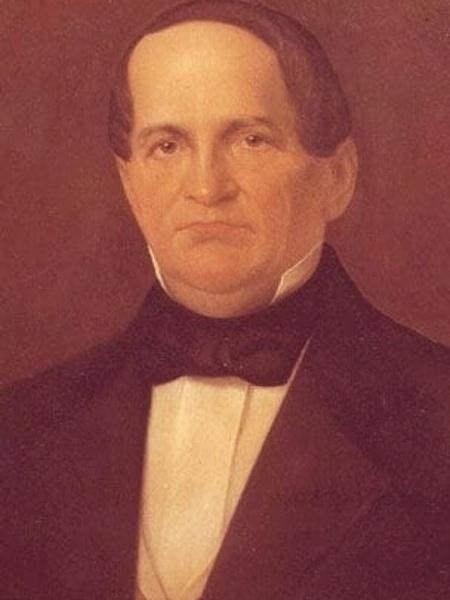
Alongside other Prussians and Englishmen, Siegert joined the fight for freedom led by Simón Bolivar.
The doctor crossed the Atlantic and traveled up the mythical Orinoco River to reach Bolivar’s headquarters in a town called Angostura.
The previous year, a congress in the town had established the creation of Gran Colombia.
This independent country would bring together Venezuela, Ecuador, Panama, and, of course, Colombia in its tenth year of existence.
Siegert served in the area until 1859.
By then, Bolivar had died, South America had won independence, and Angostura had another name, Ciudad Bolivar.
THE TONIC (AND BITTER) IS BORN
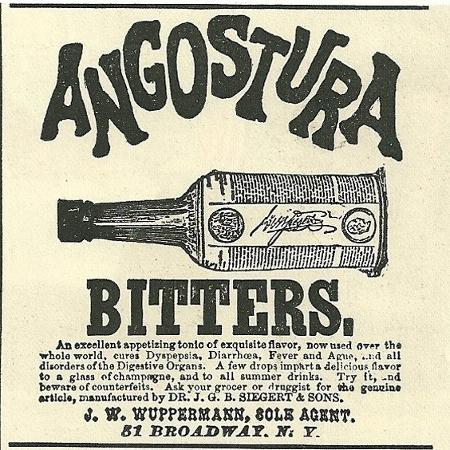
Over these decades, Siegert has honed his talent in handling medicinal herbs.
Many of them he learned from the indigenous people.
Others were old acquaintances of Europeans, such as gentian, common to ease digestive problems.
By the 1830s, his Angostura tonic was already known.
In the 1850s, his sons began to help in the business.
In the 1870s, political instability in Venezuela motivated the company’s transfer to the island of Trinidad, then a British colony.
From this Caribbean island, Angostura, as the drink came to be known, conquered the British market and later other countries, becoming one of the most famous bitters in the world.
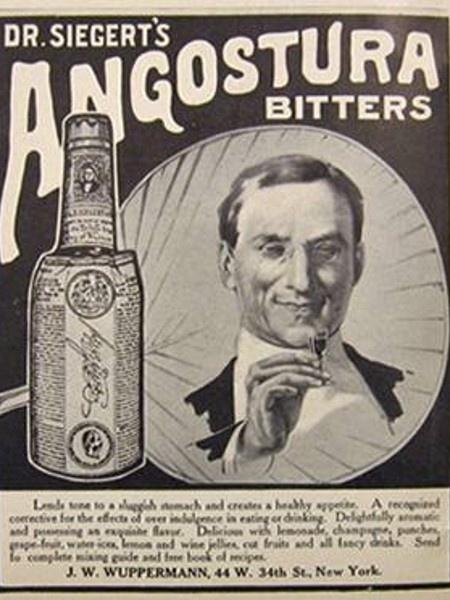
Bitter is an alcoholic aperitif made from herbs.
Casa Angostura has kept the name of its city of origin, despite being a company from Trinidad and Tobago for 150 years – and not having angostura bark in the formula.
Besides the historic city (which changed its name) and the famous bitter, Angostura is also the name of a typical tree in the region.
To complicate things a bit more, other brands of Angostura use the bark of this tree.
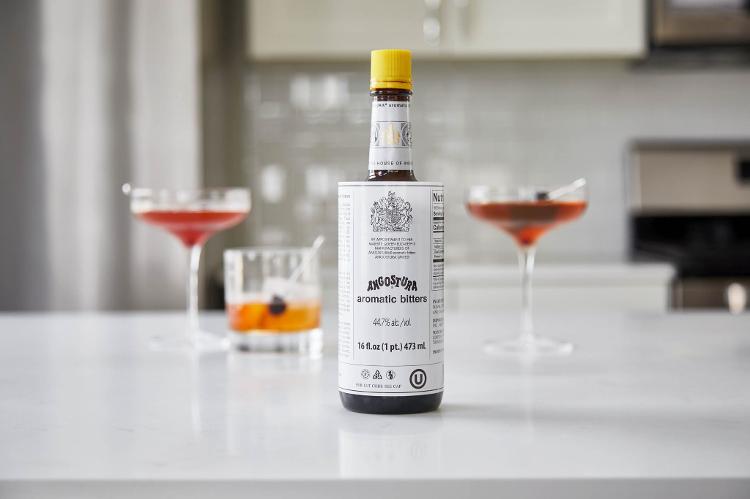
But the original Angostura, recognized by its label, which is too big for the small bottle, does not contain the ingredient.
The formula, in any case, is a mystery. Or, as a 1900 cookbook put it, it is the ‘best kept secret in the world’, known only to seven people, all members of the Siegert family.
This famous product, used in all civilized nations, is one of the foundations of a good life.
FROM DRINK TO SALAD
A foundation that achieved such status somewhat unintentionally. Charles Baker Jr., in “The Gentleman’s Companion” (1939), recalls that the drink was created, after all, by a doctor.
It served as “a simple tonic to ward off fevers, miasmas, and a variety of maladies,” he wrote.
“But fate decreed that the bitters invented for health should not only be stimulants for tired appetites but an invaluable ingredient in all kinds of cocktails.”
Thus, Angostura has become a joker in classic cocktail making.
The official website lists 32 recipes.
On the other hand, the specialized “Difford’s Guide” has more than 500 drinks that use Angostura.
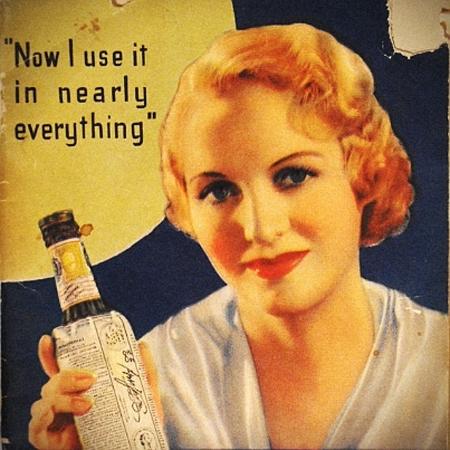
It is so versatile that not even the American Prohibition (1920-33) hindered it.
Casa Angostura published, a few months after prohibition ended, a book that shows what life was like in the kitchen at that time (at least within the margins of the law).
“Angostura – Famous for Foods” has dozens of recipes for desserts, cakes, meats, pasta, fish, sauces, soups, and general appetizers. Some of them were sanctioned by chefs from hotels such as Boston’s Ritz-Carlton, New York’s Waldorf-Astoria, and the Nacional from pre-Cuban Revolution Havana.
“Adding angostura gave my salads a new spice,” declared one guide reader. So, if you don’t know which drink to prepare at your bar, a little salad might be handy.
With information from UOL
More: South Africa news in English, every day from The Rio Times.
This article was produced by The Rio Times’ automated newsroom system. How we use AI · Report an error
Read More from The Rio Times