Retire in South Africa on a US$2,290 Monthly Income Test
Guides · South Africa
—The stakes. South Africa is a major retirement draw for dollar and euro pensioners seeking lifestyle value and private healthcare access.
—The mechanism. A retired person visa hinges on a minimum monthly income from pensions, annuities or assets, currently cited at R37,000 (about US$2,290).
—The path. Foreigners typically start with a renewable temporary retired person visa before pursuing permanent residence under financial independence rules.
—The reality. Retirees cluster in Cape Town, the Garden Route, the Winelands and Ballito while managing safety with estates and private response.
—The caveat. Residence-based tax, exchange-rate swings and the lack of a single official US-dollar budget make direct verification essential.
Retirement in South Africa remains an established but layered decision for foreigners in 2026. The legal route is clear in structure, yet the practical cost and tax picture shifts with each pension source and chosen suburb.
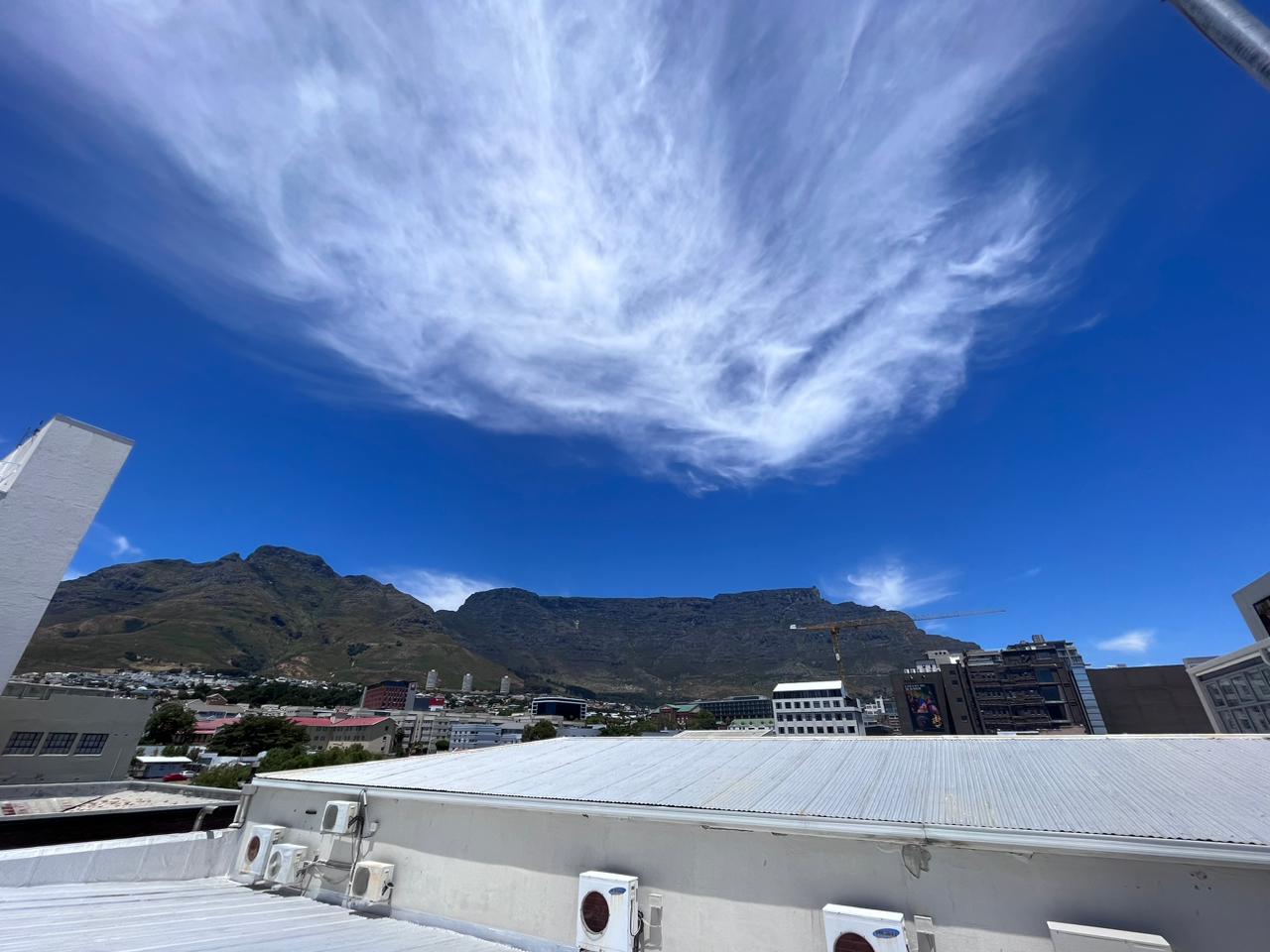
The Retired Person Visa Mechanism
South Africa issues a retired person visa for stays longer than three months to foreigners intending to retire on a seasonal or continuous basis. The core financial test is a prescribed minimum monthly payment from a pension, irrevocable annuity, retirement account, or a combination of assets realising monthly income.
Embassy and immigration guidance repeatedly cites R37,000 (about US$2,290) per month as the current benchmark. This equals roughly US$2,100 at a rate of 17.5 rand to the dollar, though exchange rates move.
The exact amount is set by Home Affairs through Gazette notices and should be verified directly before filing. Embassy summaries describe the same qualifying income level for both temporary and permanent retirement-based applications.
The mechanism exists to prove a foreigner will not seek employment or become dependent on the state. The qualifying income is a legal threshold, not a complete cost-of-living estimate.
Temporary Versus Permanent Residence
The temporary route is the Retired Person Visa under Section 20 of the Immigration Act 13 of 2002. The rand figure itself is set by ministerial notice rather than in the Act, which is why it moves without the law changing. Immigration advisers state this renewable visa is the practical entry route for most retired foreigners.
The permanent residence route is commonly described under Section 27(e) for retirement or financial independence. It requires proof of sufficient, guaranteed lifelong income without local employment.
The same R37,000 (about US$2,290) monthly benchmark is widely referenced in practical guidance for both routes. The permanent route is intended to show enduring self-support over the long term.
Choosing between them depends on how long you intend to stay and how much certainty you want. Many retirees begin with the temporary visa and later test permanent residence.
Where Foreign Retirees Settle
Foreign retirees consistently choose established lifestyle destinations in South Africa. Cape Town’s Atlantic Seaboard and Southern Suburbs are among the first names cited in relocation guidance.
The Garden Route towns of Knysna and George attract retirees seeking a slower coastal pace. The Winelands around Stellenbosch and Franschhoek draw those who value wine estates and mountain views.
KwaZulu-Natal’s North Coast including Ballito offers a subtropical alternative. These locations are repeatedly described in retiree-focused market guidance as proven expatriate settlement areas.
Housing stock in these areas ranges from secure apartments to homes in gated estates. The choice of suburb directly shapes security costs and daily convenience.

Cost of Living for a Retired Couple
South Africa is relatively affordable compared with many Western retirement markets. However, no single official nationwide US-dollar figure is published by government sources in the materials reviewed.
For a retired couple, the practical budget is typically driven by private housing, medical aid, and security spending. Food, domestic help, fuel and property rates add to the monthly total.
One current retirement visa advisory source frames R37,000 (about US$2,290) per month as a minimum qualifying income level rather than a full cost-of-living estimate. Actual spending often exceeds the visa threshold once private healthcare and a secure home are included.
A couple coming with US dollars or euros can adjust their housing tier and medical plan to control costs. The budget is flexible but heavily influenced by location and security expectations.
Private Healthcare Reality
Private medical aid is the de facto standard for retirees who want broad access to private care in South Africa. Public facilities exist, but most foreign retirees use private cover.
Major private hospital groups include Netcare, Mediclinic and Life Healthcare. These networks are repeatedly cited as the country’s best-known private hospital operators.
Premiums vary materially by age, benefit level, and underwriting history. Publicly available sources do not provide a single reliable standard premium figure, so exact monthly costs should not be assumed.
Retirees should request personalised quotes before moving. A late-entry penalty or waiting period may apply depending on the scheme and the applicant’s age, so early planning is essential.
Rand Exchange Advantage
South Africa is commonly marketed to foreign retirees because dollar- or euro-denominated pensions can stretch further when converted into rand. This is especially true for retirees whose income is paid offshore.
The advantage is exchange-rate dependent and therefore changes over time. A stronger rand reduces purchasing power, while a weaker rand increases it.
The R37,000 (about US$2,290) visa benchmark is a fixed rand amount, but its dollar cost moves with the market. At 19 rand to the dollar it is about US$1,950, and at 17 rand it is about US$2,180.
This volatility is a real planning factor rather than a fixed guarantee. Retirees often keep offshore savings and draw down in rand only as needed.
Safety and How Retirees Manage It
Safety is a major practical consideration for foreign retirees in South Africa. It is a common lifestyle choice rather than a legal requirement to live in security estates, gated communities, and homes with private response services.
Many retiree areas operate with layers of private security including boomed gates, armed response and neighbourhood patrols. This reflects the reality that private security forms an important layer of everyday protection.
Security estates bundle these services into monthly levies. Freehold homes in non-gated areas may require separate private response subscriptions.
The perception of risk often exceeds the daily experience inside managed estates. Still, retirees should budget for security as a recurring cost rather than an optional extra.

Taxation of Foreign Pensions
South Africa uses a residence-based tax system for individuals. Residents are generally taxed on worldwide income, subject to exemptions and treaty relief.
SARS guidance states that foreign income can be taxable in South Africa unless a tax treaty gives exclusive taxing rights elsewhere or the income is specifically exempt. Foreign pensions to residents may be exempt in certain cases.
The treatment depends on the pension source and the applicable treaty or statutory exemption. SARS also notes foreign tax credits may be available where foreign tax is paid on income also taxable in South Africa.
The treatment of foreign retirement benefits has been subject to policy changes in recent years. Current treatment should always be checked against the latest SARS rules and the relevant double-tax treaty before moving.
Property Purchase by Foreigners
Foreigners are generally able to buy South African property. There is no general blanket restriction on foreign ownership in the materials reviewed.
Practical ownership rules and financing may differ by lender and transaction structure. Outright foreign purchase is broadly permitted, but local banks may require larger deposits from non-residents.
Buying into a security estate often simplifies the process because transfer and levy structures are established. Freehold purchases follow the standard transfer process with conveyancing attorneys.
A property purchase does not automatically grant residence rights. The retirement visa remains the legal basis for long-term stays, separate from any home ownership.
Practicalities on the Ground
Visa guidance and local expatriate advice commonly mention the need to plan for driving licence conversion or local driving compliance. The reviewed sources do not provide a single official nationwide retirement-specific licence rule to quote.
Many retirees employ domestic staff as part of a household model common in suburban and estate living. This is a personal choice rather than a retirement requirement, though it adds to monthly costs.
Load-shedding has been a long-running issue historically. Retirees often hedge it with solar backup, batteries, inverters, and generator support, now a standard resilience measure in many higher-end homes.
A back-up power system is not a luxury for many retirement homes. It protects medical equipment, home offices and daily comfort during scheduled outages.
More: South Africa news in English, every day from The Rio Times.
The Standing Decision
Retiring in South Africa in 2026 means matching a legal threshold with a lifestyle and tax position. The R37,000 (about US$2,290) monthly income benchmark is the entry test, but it does not define the full cost.
The visa structure is stable enough to plan around, yet the exchange rate and tax treatment introduce real uncertainty. Foreigners who verify the Gazette notice and their treaty position can avoid costly surprises.
South Africa remains competitive on lifestyle, private healthcare and property access for those with hard-currency income. The security and power realities are manageable, but they must be budgeted.
This reference stands on verified facts as of September 2026. Any retiree should reconfirm Home Affairs figures, medical scheme quotes and SARS rules before committing.
Connected Coverage
Spark Secures Rand Debt for Commercial Solar Projects in Southern Africa
South Africa’s Economy Shrank, and Mining Did Most of the Damage
South African Rights Groups Want the Data Centre Boom Paused
The Big Picture
Latest developments
- 136,790 Run in South Africa Local Election — 26 October 2026
- Khampepe Commission Tests South Africa’s Rule of Law — 26 October 2026
- Bollywood Singer Shreya Ghoshal Plays Pretoria 5 December — 26 October 2026
- Comrades Marathon Finishes in Durban on 13 June 2027 — 26 October 2026
This article was drafted with automated assistance and reviewed before publication. How we use AI · Report an error · Editorial responsibility: Matthias Camenzind, Editor-in-Chief
Expat Guide to South Africa
What The Rio Times publishes for foreigners who live in or move to South Africa.
Start here
- Renting in South Africa as a Foreigner in 2026
- Phone and Internet Setup in South Africa
- Best Places to Live in South Africa for Expats 2026
- South Africa Taxes for Expats 2026: What You Pay
City guides
Cape Town, Johannesburg, Durban
Coming up in South Africa
- Soweto Derby 2026: Date, Kick-Off, Tickets and TV 31 Oct
- Kruger Park Fees Rise to US$42 a Day on 1 November 1 Nov
- Kunye Jozi XI Fills Johannesburg's Huddle Park on 7 November 7 Nov
- Jill Scott Plays Pretoria and Cape Town in November, First Album in a Decade 7 Nov
Understand South Africa