Key Facts
- What: South Africa’s police have flagged 331 voting stations as high-risk before the 4 November local elections.
- Where: The east-coast province of KwaZulu-Natal has 165, Gauteng (Johannesburg’s province) 119, the Western Cape 33 and Mpumalanga 11.
- When: Voting on 4 November runs 07:00–21:00 South Africa time, which is midnight to 2 p.m. Eastern.
- Prediction markets: Polymarket gives Johannesburg mayoral contender Helen Zille 57.5% to win (US$136,259 traded; 30 October, 1:25 p.m. ET).
South Africa’s police say hundreds of polling places could turn tense when the country votes next week. In the South Africa local elections hub, the Rio Times follows the run-up to the 4 November vote.
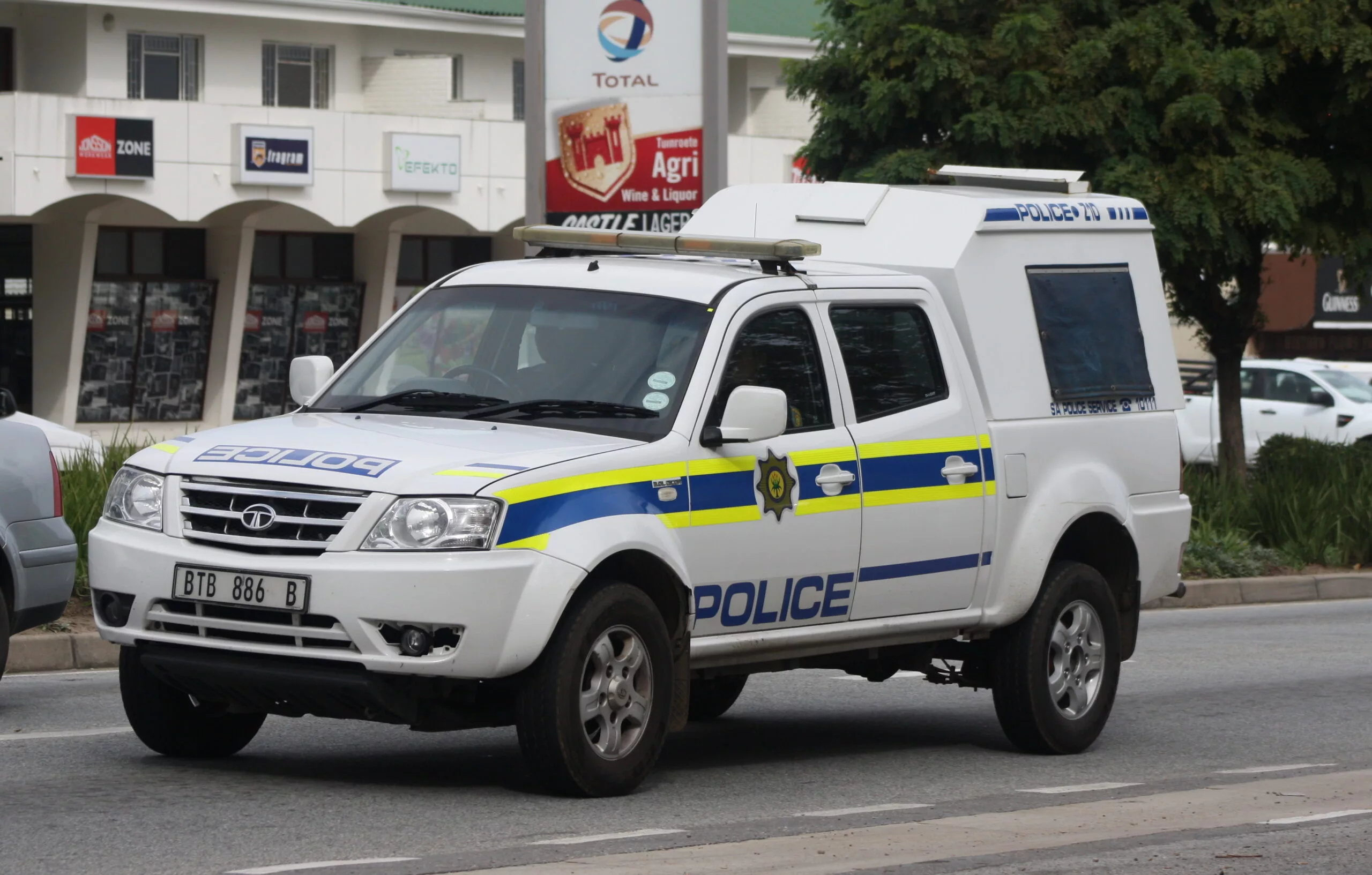
National Police Commissioner Fannie Masemola announced on 30 October that the South African Police Service (SAPS) had identified 331 high-risk voting stations.Police describe themselves as operationally ready to secure the vote.Their assessment points to possible flashpoints linked to protests over municipal services, community unrest and other security incidents.
Where The Risk Is Concentrated
More than half of the flagged stations sit in two provinces. KwaZulu-Natal, the east-coast province around Durban, has 165, of which 124 are in the eThekwini municipality, as Durban’s metro council is officially called.
Gauteng, the province around Johannesburg and Pretoria, has 119. That includes 75 in Johannesburg, 23 in Ekurhuleni, the East Rand metro, and 14 in Tshwane, the metro that includes Pretoria.
The Western Cape has 33, all in Cape Town, and Mpumalanga has 11. Those figures add up to 328, so three stations are not accounted for in the published breakdown.
The reports reviewed do not say where those three are or list individual stations.
What Voters Will Face
Voters can cast special votes on Monday and Tuesday, 2–3 November 2026, from 08:00 to 17:00. Special voting is for people who cannot get to a station on election day, such as the elderly, the disabled and election workers.
Ordinary voting takes place on Wednesday, 4 November 2026, from 07:00 to 21:00 South Africa Standard Time (SAST, two hours ahead of Universal Time). The Electoral Commission of South Africa (IEC), the independent body that runs the vote, says voters need a smart ID card, a green barcoded ID book or a temporary identity certificate.
Cooperative Governance Minister Velenkosini Hlabisa set the date in Government Gazette No. 55162, the official state notice, published on 7 August 2026. The IEC says 136,790 candidates were cleared to contest.
What Prediction Markets Say
Traders on Polymarket, a prediction market where users bet real money, are betting on mayoral races rather than national results. Their prices, read on 30 October at 1:25 p.m. ET, are shown below.
- Johannesburg, mayoral contenders: Helen Zille 57.5%, David Makhura 13.0%, Frank Chikane 7.5% (US$136,259 traded).
- Cape Town, mayoral contender: Geordin Hill-Lewis 95.9% (US$13,375 traded).
- Durban (eThekwini), mayoral contenders: Apostle Mxolisi Phakathi 52.9%, Haniff Hoosen 36.0% (US$44,788 traded).
These prices are bets, not polls, and each candidate’s price is the market’s implied probability. Why we show this: prediction markets turn real-money bets into a live probability that moves within minutes of the news, which is why investors, campaigns and newsrooms in the United States now follow them closely.
We show them next to polls and official results, never instead of them.
What It Means for US Readers
Americans with business, family or travel ties to Johannesburg, Durban or Cape Town should expect a heavy police presence around polling day. The three cities are where most of the flagged stations are, and a disrupted vote there would draw attention to how stable the country’s big cities are.
The 4 November voting window starts at midnight Eastern and closes at 2 p.m. Eastern, so results will begin arriving during the US morning. Local elections decide who runs water, electricity and housing services, issues that sit behind many of the protests police are watching.
What Is Not Known
The reports reviewed do not say how many officers will cover the flagged stations or what changes voters will see there. They name no specific threat, and none reports an incident, arrest or closure linked to the assessment.
It is also unclear what happened to the remaining three stations in the national total. The inter-ministerial committee, the group of ministers overseeing election readiness, flagged in early October that El Niño weather risks, such as heat and low rainfall, could affect voters queuing on the day.
Frequently Asked Questions
When are South Africa’s local elections?
Special voting is on 2–3 November from 08:00 to 17:00. Ordinary voting is on Wednesday, 4 November from 07:00 to 21:00 South Africa time.
How many high-risk voting stations did police name?
Police named 331, with 165 in KwaZulu-Natal and 119 in Gauteng. The reason given is possible protests and unrest.
Sources: South African Police Service statement of 30 October 2026; Electoral Commission of South Africa; Government Gazette No. 55162 via gov.za; Polymarket (prices as of 30 October 2026, 1:25 p.m. ET).
This article was produced by The Rio Times’ automated newsroom system. How we use AI · Report an error · Editorial responsibility: Matthias Camenzind, Editor-in-Chief