Namibia Unveils 176-Carat Diamond, Its Coastal Mine’s Biggest in 20 Years
Namibia · MINING
Key Facts
- —The country Namibia is a desert nation on Africa’s south-west coast. It has about 3.1 million people, roughly Iowa’s population, and a US$15 billion economy (World Bank, 2025).
- —Why it matters Diamonds are Namibia’s leading export and a pillar of state revenue. The government owns half of the national diamond business in a 50:50 partnership with De Beers, the world’s best-known diamond company.
- —Why now Natural diamond prices are weak as cheaper laboratory-grown stones spread. De Beers itself is up for sale, so Namibia’s partner is about to change hands.
- —What happened On Wednesday 30 September 2026, President Netumbo Nandi-Ndaitwah unveiled a 176.29-carat rough diamond, named Owishi, at a ceremony in Windhoek, the capital.
- —The numbers The stone was recovered on 10 May 2026 at the Southern Coastal Mine in Oranjemund. The president called it the mine’s largest diamond of its kind in two decades.
- —What it means for you For investors, the find signals that Namibia’s coastal deposits still yield large, high-value stones. For buyers, it showcases Namibian natural diamonds against lab-grown rivals.
- —Still open No official value has been published, and no decision on a sale or local cutting has been announced. Who will buy De Beers is also unresolved.
Namibia has shown off a rare 176-carat diamond from its southern coast. The stone arrives as diamond prices slump and the country’s long-time mining partner, De Beers, is being sold.
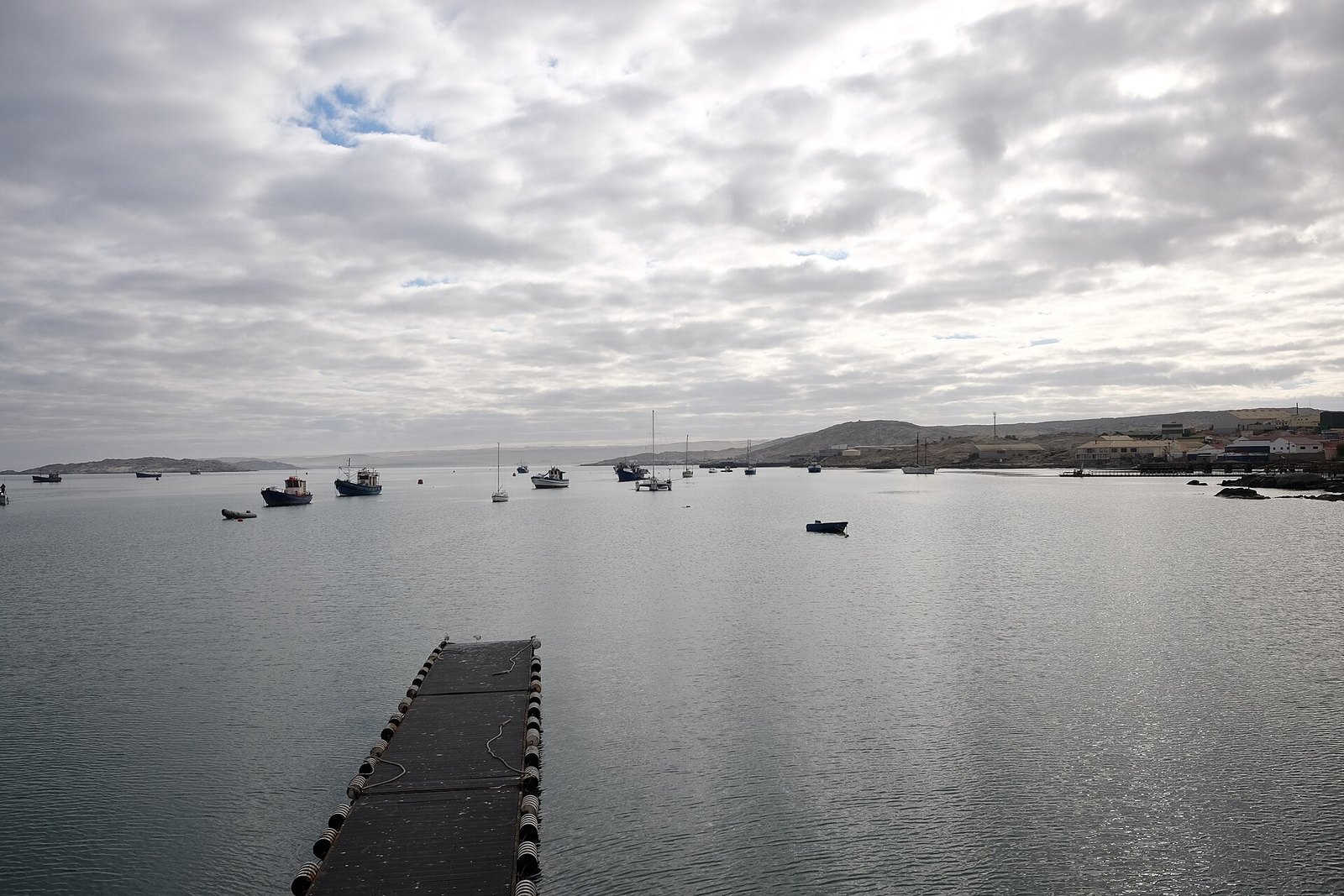
Namibia, a desert country of 3.1 million people in south-western Africa, has unveiled a 176-carat diamond, its coastal mine’s largest in two decades. President Netumbo Nandi-Ndaitwah presented the stone, named Owishi, at a ceremony in Windhoek, the capital, on Wednesday 30 September 2026.
The diamond was mined by Namdeb, a company owned half by the Namibian state and half by De Beers. The 176.29-carat stone came from the Southern Coastal Mine near Oranjemund, a diamond mining town on the border with South Africa.
A rare stone from Namibia’s diamond coast
Namdeb recovered the stone on 10 May 2026, according to the state news agency NAMPA. It kept the find private for more than four months before the public unveiling.
The president described it as the largest diamond of its kind found at the mine in the past two decades. “This must be a clear indication that our diamonds are still there,” she said, as quoted by the Windhoek Observer.
The name comes from Oshiwambo, Namibia’s most widely spoken language group. Owishi refers to a rare honey found underground that is notoriously difficult to locate, the newspaper reported.
What the stone could be worth
Namdeb and the government have not published a value. The Windhoek Observer cited industry estimates that a rough stone this size could fetch US$5 million to over US$25 million.
That range depends on clarity, colour and how much polished weight the stone yields. The estimate is not an official valuation and could not be independently confirmed.
No decision has been announced on whether Owishi will be sold, cut in Namibia or kept for display. That choice will show how far Namibia wants to move into cutting and polishing.
Why diamonds matter so much to Namibia
Diamonds are Namibia’s leading export and a major source of taxes, royalties and dividends for the state. Most of the country’s output now comes from the seabed off its Atlantic coast.
Namdeb Holdings, the 50:50 partnership with De Beers, owns two operators. Namdeb mines on land along the coast, while Debmarine Namibia uses ships to recover diamonds from the ocean floor.
Namibia produced 531,000 carats in the second quarter of 2026, broadly unchanged, Anglo American said in July. Output was 556,000 carats in the first quarter, according to the same company figures.
The Bank of Namibia, the central bank, said on Wednesday that the economy grew 4.8 percent in the second quarter. Services, farming and investment led the gains.
A weak market and a partner for sale
The unveiling came at a hard moment for natural diamonds. Laboratory-grown stones, which look identical to buyers but cost far less, have pushed down prices for mined gems.
Anglo American, the London-listed miner that owns 85 percent of De Beers, cut its value to about US$2.3 billion in February. It had valued De Beers at US$4.1 billion a year earlier.
Anglo is now selling its De Beers stake. In July it picked a group led by Gareth Penny, a former De Beers chief, as preferred bidder, the Financial Times and News24 reported.
Bloomberg reported that the talks valued the stake at about US$1 billion. Botswana, which already owns 15 percent of De Beers, is seeking a bigger share.
What it means for Namibia and for outsiders
Whoever buys De Beers will become the Namibian government’s equal partner in Namdeb Holdings. That partnership has run the country’s diamond industry for decades.
The president used the 176-carat diamond to make a wider case. She said Namibia must market its natural stones on rarity, authenticity and responsible sourcing.
She also called for more cutting, polishing and jewellery making at home, where it is commercially viable. That would keep more of the value inside the country.
For investors and buyers abroad, Owishi is a reminder that Namibia’s deposits still produce exceptional stones. Its value to the treasury, however, will only be clear once its fate is decided.
Frequently Asked Questions
How big is the diamond Namibia unveiled?
The stone is 176.29 carats in size and is named Owishi. President Netumbo Nandi-Ndaitwah described it as the Southern Coastal Mine’s largest diamond of its kind in two decades.
Who owns the 176-carat diamond and the mine?
Namdeb, which mined the stone, belongs to Namdeb Holdings, a 50:50 partnership between the Namibian government and De Beers. The stone came from the Southern Coastal Mine near Oranjemund.
How much is the Owishi diamond worth?
No official value has been published. The Windhoek Observer cited industry estimates of US$5 million to more than US$25 million, depending on the stone’s quality.
Why does the De Beers sale matter to Namibia?
De Beers is the government’s equal partner in Namibia’s diamond industry. Anglo American is selling its 85 percent stake, so Namibia will have a new partner once a deal closes.
Connected Coverage
Sources
- NAMPA: Nandi-Ndaitwah unveils 176-carat Namdeb diamond
- Windhoek Observer: Rare honey inspires name for Namdeb’s 176-carat diamond
- NAMPA: Namibia’s economy grows 4.8% in second quarter
- World Bank: Namibia data
This article was produced by The Rio Times’ automated newsroom system. How we use AI · Report an error
LatAm Markets: Live Signals → — real-time movers, turnover leaders and FX across Latin America.
Read More from The Rio Times