NAMIBIA · CULTURE · KEY FIGURES
Key Facts
- Sport On 24 October 2026 Namibia’s cricket team beat Ireland by 31 runs, its first one-day win over a full member of the International Cricket Council.
- World Cup Namibia co-hosts the men’s Cricket World Cup in 2027 with South Africa and Zimbabwe; the ticket ballot stays open until 21 November 2026.
- Film The European Union Film Festival runs in Windhoek, and the Namibia Film Commission funds and trains local filmmakers.
- Art The National Art Gallery of Namibia, the state-owned gallery in Windhoek, hosts the Bank Windhoek Triennial, the country’s biggest art competition.
- Music Oviritje, ma/gaisa and Afropop sit side by side, sung in Otjiherero, Khoekhoegowab and English.
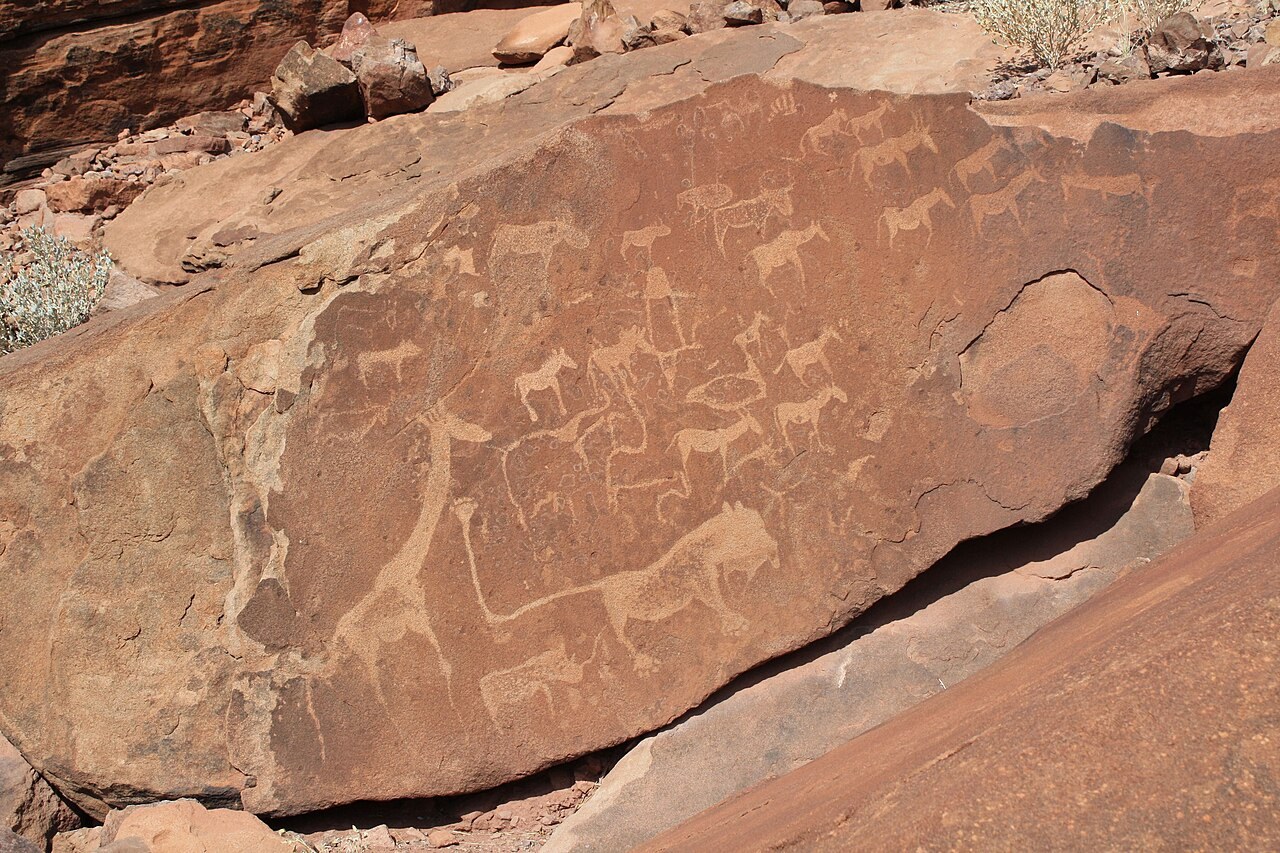
- Heritage Twyfelfontein, with thousands of rock engravings, has been a UNESCO World Heritage site since 2007.
This guide to Namibia culture introduces the musicians, writers, filmmakers, artists and athletes who shape the country in 2026. It also explains what these figures say about a young democracy that builds its arts scene with modest public money.

Namibia Culture at a Glance
Namibia culture is many cultures at once, shaped by Otjiherero, Oshiwambo, Khoekhoegowab and Afrikaans speakers and by the arts of the San people. English is the official language, but the arts are made in all of these tongues.
The state steers arts policy through the Ministry of Education, Innovation, Youth, Sport, Arts and Culture. The National Arts Council of Namibia, a public body, hands out grants to artists.
Public money for the arts is modest, which explains why banks, companies and foreign cultural centres carry so much of the scene. A visitor who knows this will understand why a bank sponsors the biggest art prize and a German institute hosts the literary festival.
- Oviritje: popular music sung in Otjiherero, the language of the Herero people.
- Ma/gaisa: dance music rooted in the Damara and Nama communities, sung in Khoekhoegowab.
- Kwanyama: an Ovambo group in the north of Namibia and the south of Angola.
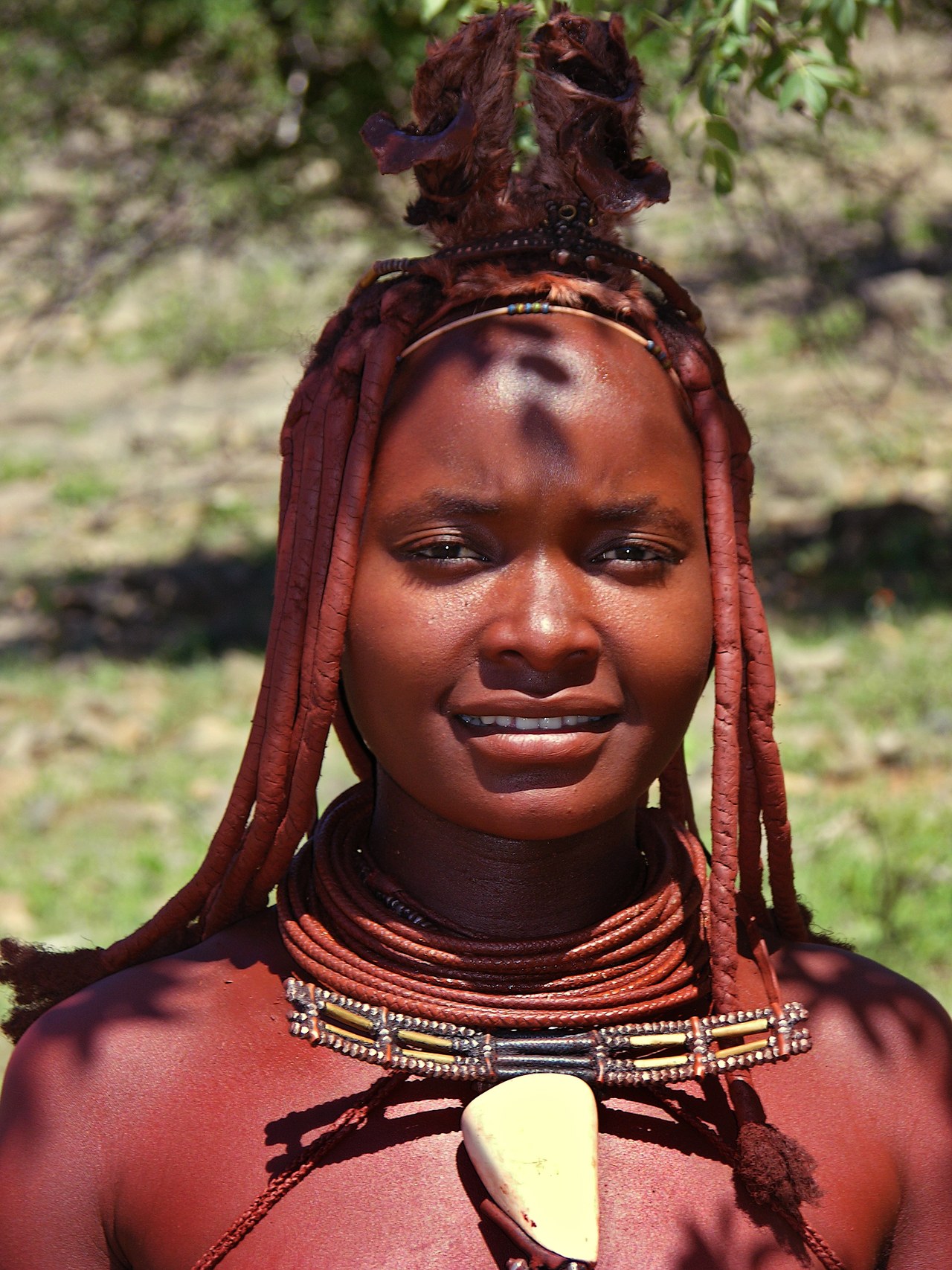
- Ovahimba (Himba): cattle-herding people of the Kunene region in the north-west.
Musicians and Genres
Music is the loudest part of Namibia culture. Every community brings its own sound, and the national stage mixes them.
Kalux is an Afropop and Afrofusion singer. Elemotho Mosimane is a guitar-playing storyteller who sings in the tradition of the southern African troubadour.
Mutjanga Bena is a leading voice in oviritje, the guitar-led music of the Herero people. Marvtown is a ma/gaisa singer, actor and director who brings Damara and Nama dance music to a younger audience.
Together these artists cover Afropop, oviritje, ma/gaisa and acoustic storytelling. The National Theatre of Namibia in Windhoek is the main stage for concerts and award nights.
The Namibian Annual Music Awards, known as the NAMAs, are the country’s best-known music prize. Fans and musicians alike follow how the prize is run, because it shapes who gets heard on national radio and television.
Writers and Literature
A leading organiser in Namibian letters is Rémy Ngamije, an author who founded the Doek Arts Trust. The trust runs the Doek Literary Festival in Windhoek.
It also publishes Doek!, a literary magazine for Namibian and African writers. The festival mixes talks, writing workshops, poetry and music, and it draws guests from across Africa.
Namibian writing is young and multilingual. Authors work in English, Afrikaans, German and the Namibian mother tongues, and many publish first in magazines and anthologies.
For a US reader, the festival is the easiest way in. It shows which new voices Namibia sends out into the African literary world.
Film and Television
Film is the youngest strand of Namibia culture, and it leans on public money. The Namibia Film Commission is the state body that funds and trains filmmakers.
Its work includes training courses for young creatives in regions far from the capital, in storytelling, scriptwriting and film production. Local stories in Otjiherero, Oshiwambo and Afrikaans are slowly finding screens.
The European Union Film Festival in Windhoek gives those filmmakers an audience and a link to Europe. The EU delegation in Windhoek presents it as a way to show European films alongside Namibian stories.
Television reaches the whole country through the public broadcaster, which also carries music and arts programmes. Streaming and social media now give filmmakers a cheaper route to viewers.
Visual Artists and Galleries
John Muafangejo, who died in 1987, remains the reference point for Namibian printmakers. His black-and-white linocut prints, many with his own handwritten captions, show Kwanyama village life, church and the harshness of apartheid and the border war.
He studied at the Rorke’s Drift Art and Craft Centre in South Africa and exhibited around the world. Many younger Namibian artists still cite him as a model.
The newest measure of the scene is the Bank Windhoek Triennial, a contemporary art competition held every three years. The National Art Gallery of Namibia in Windhoek runs it and calls it the country’s biggest visual art competition.
The gallery sits in the capital and also runs school programmes and workshops. For travellers, it is the best first stop to see what Namibian artists are making now.
Sport Icons
Sprinter Frank Fredericks is the Olympian Namibia still honours for his two silver medals at the 1996 Atlanta Games. The Bank of Namibia lists a silver N$10 Olympic Games commemorative coin among its issues.
Christine Mboma won silver in the women’s 200 metres at the Tokyo Olympics, held in 2021, while still a teenager. Fellow sprinter Beatrice Masilingi rose with her and remains a name to watch.
Cricket now supplies the biggest recent story. On 24 October 2026 Namibia beat Ireland by 31 runs in Windhoek in the second match of a five-match series.
It was the first one-day win over a full member of the International Cricket Council. Captain Gerhard Erasmus scored 156 not out off 125 balls, and fast bowler Jack Brassell took four wickets.
Namibia will co-host the men’s Cricket World Cup in 2027 with South Africa and Zimbabwe. Officials from the sport’s world body inspected the Windhoek ground on 23 October 2026.
The governing body also noted that the tournament returns to African soil for the first time in 24 years. Namibia sits 16th in the one-day rankings dated 23 September 2026, with Ireland 12th.
Festivals, Venues and Media Voices
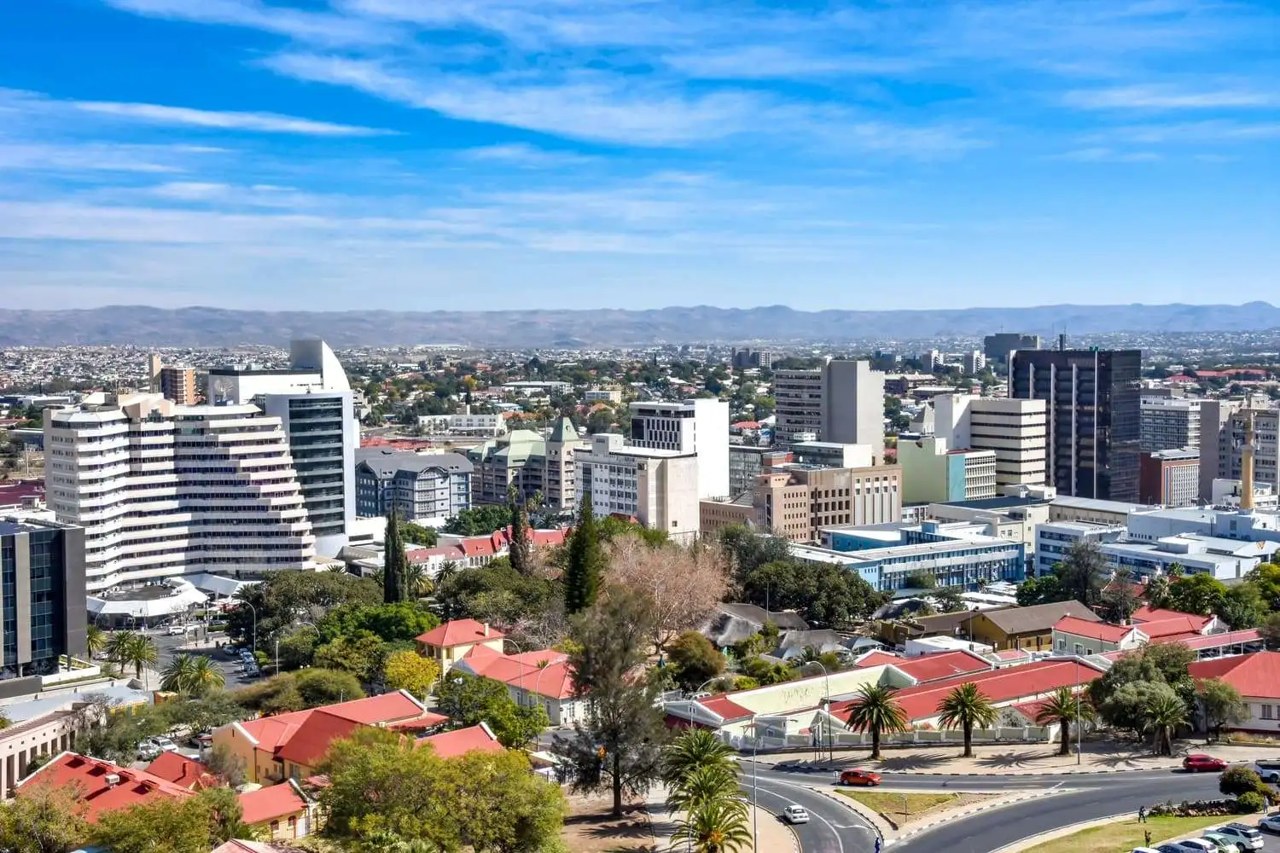
Namibia culture lives in a small circle of venues in Windhoek, the capital. The National Theatre of Namibia hosts concerts, plays and award nights, while the Goethe-Institut and the Franco-Namibian Cultural Centre bring in European artists and film.
The Windhoek Show, a fairground and trade event, opens the end-of-year season. Smaller stages host acoustic nights and poetry evenings through the year.
Media voices matter because the national music prize and the arts depend on broadcasters and hosts. The public broadcaster is the main route to a national audience.
Heritage and What the Culture Says About Namibia
The oldest art in the country is on rock at Twyfelfontein in the Kunene region, which has been a UNESCO World Heritage site since 2007. It holds thousands of engravings of giraffes, lions and other animals.
UNESCO is the United Nations culture agency that decides on World Heritage status. Other rock art areas, such as the Brandberg massif near Uis, are known to archaeologists for their paintings.
Taken together, these figures show a country that is proud of its many communities and keen to tell its own stories. Muafangejo wrote his life into his prints, and filmmakers now tell Ovahimba and Herero stories in their own languages.
They also show how thin the funding is. In 2026 Namibia culture is rich in talent and short of money.
What It Means for US Readers
Namibia culture reaches US audiences through sport, books and travel. The Namibian cricket team recently played the United States and the United Arab Emirates in the United States.
The ticket ballot for the 2027 men’s Cricket World Cup stays open until 21 November 2026. Visitors who plan a trip can read our Namibia travel guide for visas and seasons.
Readers who follow business can read who runs Namibia’s economy, since oil, uranium and mining money will decide how far the arts can grow. For a wider picture, see Namibia Explained and the politics guide.
Our guide to Namibia and its neighbours places the country in its region. Our Namibia hub collects every Namibia story.
What Is Not Known
The line-up of the next national music awards is not public. How much public money will reach artists, rather than event costs, is not set.
No official figure is available for how many Namibians work in music, film or the visual arts, or what they earn. The size of the state arts grant for 2026/27 is not published in a form this guide could check.
Frequently Asked Questions
What are the main parts of Namibia culture?
Namibia culture combines the music, languages and crafts of many communities, including Herero, Himba, Ovambo, Damara, Nama and San. Newer strands include film, literature and a growing visual art scene.
Who is Frank Fredericks?
Frank Fredericks is a Namibian sprinter and former Olympian. In late October 2026 the Bank of Namibia handed over a silver coin minted in 1996 to honour his Atlanta Olympics.
Why does Namibia matter in cricket in 2026?
Namibia beat Ireland by 31 runs on 24 October 2026, its first one-day win over a full member of the International Cricket Council. It also co-hosts the 2027 men’s World Cup.
Who are the best-known Namibian musicians?
Names that stand out include Kalux, Elemotho Mosimane, Mutjanga Bena and Marvtown. They cover Afropop, storytelling, oviritje and ma/gaisa.
Who is Rémy Ngamije?
Rémy Ngamije is a Namibian author who founded the Doek Arts Trust. The trust runs the Doek Literary Festival in Windhoek and publishes Doek! magazine.
Is there a UNESCO site for Namibian rock art?
Yes. Twyfelfontein in the Kunene region has been a UNESCO World Heritage site since 2007.
Sources: Cricket Namibia, match report on the first ODI win over Ireland (24 October 2026), 25 October 2026; Cricket Namibia, ICC and local organising committee inspection for the Men’s Cricket World Cup 2027, 28 October 2026; Cricket Namibia, Ireland ODI series announcement and ICC rankings, 14 October 2026; National Art Gallery of Namibia, Bank Windhoek Triennial, accessed 31 October 2026; Bank of Namibia, commemorative coins, accessed 31 October 2026; European Union Delegation to Namibia, EU Film Festival, October 2026.
This article was produced by The Rio Times’ automated newsroom system. How we use AI · Report an error · Editorial responsibility: Matthias Camenzind, Editor-in-Chief
Expat Guide to Namibia
What The Rio Times publishes for foreigners who live in or move to Namibia.
Start here
Understand Namibia
Brazil runoff date: Sunday, October 25, poll closing times and when results start · Brazil runoff polls: Flávio 51%, Lula 49% · Kalshi and Polymarket odds
Rotate for Best Experience
This report is optimized for landscape viewing. Rotate your phone for the full experience.
You've reached your free article limit
Subscribe to The Rio Times for unlimited access to our reporting from across Africa.
Keep reading for free
Your first article was on us. Register with your email address to read 6 free articles every month. You will also receive Africa Intelligence: African markets, politics and business, every weekday morning.
Expat Guide to Namibia
What The Rio Times publishes for foreigners who live in or move to Namibia.
Start here
Understand Namibia