
ENERGY · MOZAMBIQUE
Mozambique’s Cabinet approved ExxonMobil’s amended plan for the Rovuma LNG gas project, in northern Mozambique, on Tuesday 17 November 2026. ExxonMobil, the US oil major, has redesigned the plant around electric-drive modules.
The plan lifts capacity to 18.6 million tonnes a year of liquefied natural gas (LNG, gas cooled to a liquid so ships can carry it). It is up from 15.2 million tonnes in the plan approved in 2019.
For readers in the United States, this is news about a US company, ExxonMobil. A project estimated at nearly US$30 billion would add new LNG supply to a market in which US exporters also sell.
Key Facts
- Who ExxonMobil, the US oil major, leads Rovuma LNG; Mozambique’s Cabinet approved its amended plan.
- What The Afungi plant, on the Cabo Delgado coast, would make 18.6 million tonnes of LNG yearly.
- Design Twelve electric-drive modules replace large conventional units; ExxonMobil claims up to 40% lower emissions.
- Cost Estimated at nearly US$30 billion; no investment decision has been taken yet.
- Next Go-ahead to spend (final investment decision) targeted by end of 2026; first output 2030 or 2031.
Mozambique has approved an electrified redesign of ExxonMobil’s giant gas plant, but the company has not yet taken the final decision to spend the money.
What Happened
Mozambique’s Council of Ministers, the Cabinet, approved the amended Plan of Development (the formal blueprint for building and running the project) on Tuesday 17 November 2026. We have not seen the decision text.
Capacity is counted in million tonnes a year (Mtpa), and Rovuma LNG would produce 18.6 Mtpa. ExxonMobil changed the design to modular, electrified production units.
ExxonMobil’s project page describes an “18.6 MTA electric LNG (eLNG) concept” at Afungi, in northern Cabo Delgado province. It has 12 electrically driven liquefaction modules, each producing 1.55 Mtpa.
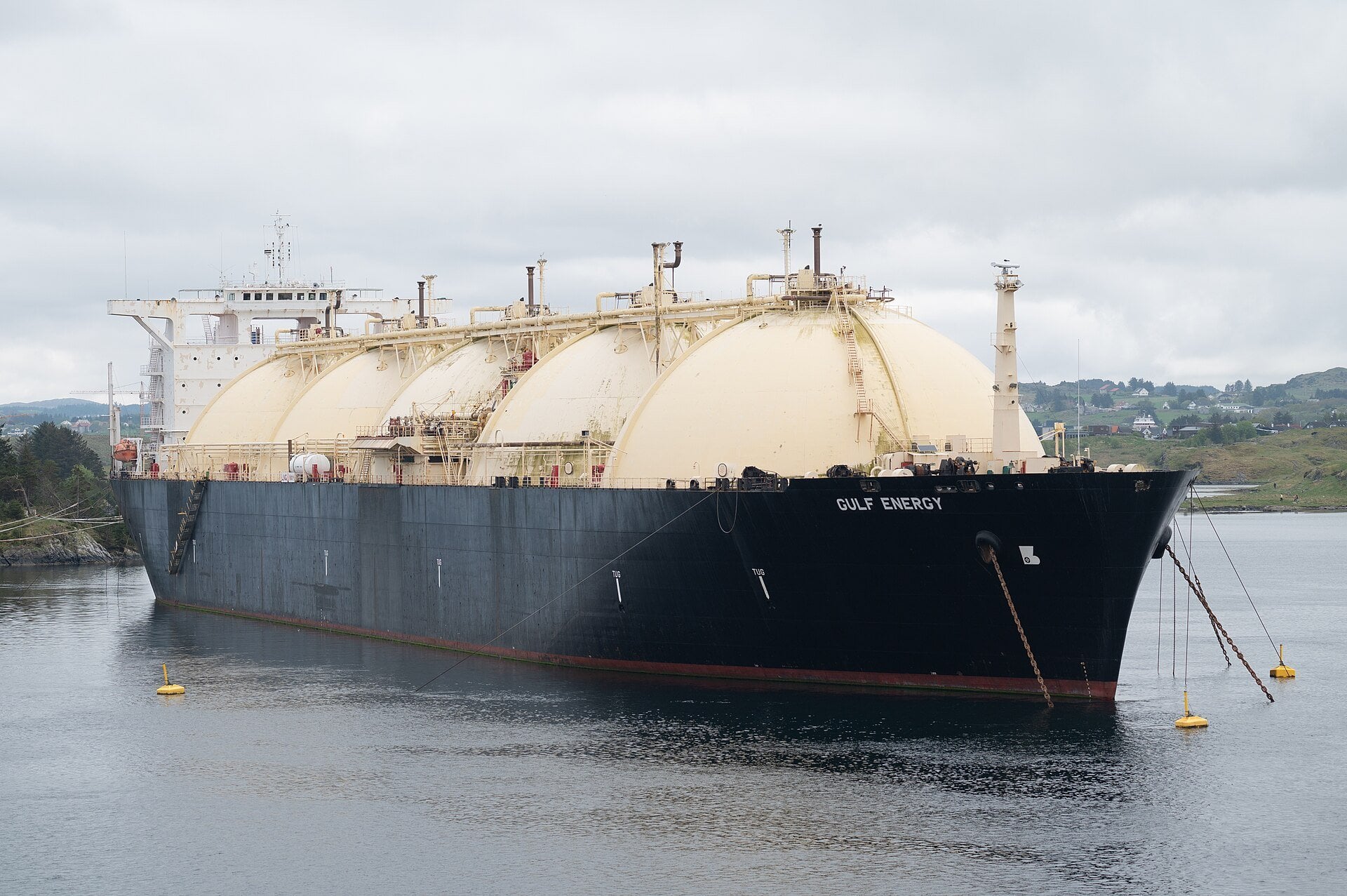
One high-efficiency combined-cycle power plant, a gas-fired plant that reuses its exhaust heat, supplies the modules. ExxonMobil says this could cut greenhouse-gas emissions by up to 40% compared with traditional large liquefaction trains.
Offshore, ExxonMobil plans 18 initial subsea wells in water up to 1,700 metres deep. The wells would feed the onshore plant at Afungi.
The Big Picture
Rovuma LNG sits in the same gas basin as other Mozambican projects, and the approval follows a year of deal-making. ExxonMobil said on Friday 30 October 2026, with its third-quarter results, that it will raise its stake to 50%, and reports link the increase to an asset swap with Eni, the Italian energy group.
In August 2026 ExxonMobil and its partners awarded about US$1.1 billion in pre-investment contracts for long-lead upstream equipment, the parts that take longest to build. That spending shows the company is preparing, even though it has not yet approved the full investment.
Security has already cost the project time. ExxonMobil lifted force majeure, a legal pause on its obligations, in November 2025 after an insurgency in Cabo Delgado had halted work.
Next door, a group led by TotalEnergies, the French energy major, formally resumed work in January 2026 on a project of about US$20 billion. It is planned to produce about 13 Mtpa.
Why It Matters
Add the two projects and Mozambique could offer about 31.6 Mtpa of new capacity, by our own arithmetic from 18.6 Mtpa plus about 13 Mtpa. That is new LNG competing for buyers, which bears on gas prices, on US LNG exporters and on ExxonMobil shareholders.
Standard Bank Group, a South African lender, estimates the cost at nearly US$30 billion. ExxonMobil says that, at a final investment decision, it would be the largest private investment in Africa’s history.
What to Watch
ExxonMobil targets a final investment decision (FID, the formal go-ahead to spend) by the end of 2026. The exact date is not confirmed, and none has been taken.
What It Means for You
A US investor holding ExxonMobil shares owns part of a project that, if approved, would be among the largest in Africa. The decision to spend has not been taken, so for now the project remains a plan.
What the Company Says About Jobs and Revenue
ExxonMobil says about 7,500 Mozambicans would work on construction and about 700 jobs would remain in operations. It says the plant would supply up to 500 million standard cubic feet of gas a day to the domestic market.
The company also says the project would bring over US$140 billion in government revenue from Phase 1, according to its project overview. These are ExxonMobil’s own figures, and we have not seen the plan document behind them.
What Is Not Known
We have not seen the Cabinet’s decision text, its conditions or the plan document. The date of the investment decision and the total capital committed are also unknown.
ExxonMobil’s project page lists a “target startup of 2030” and is undated, while others expect output in the early 2030s. We found no public objection to the approval, and we cannot say whether security in Cabo Delgado will hold.
Frequently Asked Questions
What did Mozambique approve for ExxonMobil?
The Cabinet approved the amended Plan of Development for Rovuma LNG on Tuesday 17 November 2026. It sets capacity at 18.6 million tonnes a year, up from 15.2 million in the 2019 plan.
What is an electric LNG plant?
ExxonMobil’s design uses 12 electrically driven modules, each producing 1.55 million tonnes a year. A combined-cycle power plant supplies them, and the company claims up to 40% lower emissions than traditional trains.
Has ExxonMobil decided to build Rovuma LNG?
Not yet. The company targets a final investment decision by the end of 2026, and none has been taken.
How much will Rovuma LNG cost?
Standard Bank Group, a South African lender, estimates nearly US$30 billion. ExxonMobil has not published a committed total, and the figure is an estimate.
Sources: Mozambique Council of Ministers, Cabinet decision of 17 November 2026; ExxonMobil Rovuma LNG project overview (corporate.exxonmobil.com); ExxonMobil statements of August and 30 October 2026; Standard Bank Group cost estimate.
Related coverage: Mozambique Meets ExxonMobil and Eni. More in Mozambique news.
This article was produced by The Rio Times’ automated AI newsroom. Editorial responsibility: Matthias Camenzind, Publisher and Editor-in-Chief. The Rio Times also runs Ask Rio Times, which answers from 100,000+ of our own articles, the daily Latin America Power Map, and prediction-market odds on elections and markets.. How we use AI · Report an error