Libya Power Cuts Last Up to 36 Hours in Parts of Tripoli
LIBYA · BUSINESS
Key Facts
- —What happened A Tripoli restaurateur told Reuters that outages in his southern district can last up to 36 hours.
- —The cost He said generators cost him about 10,000 dinars (US$1,575) a day and losses reached about US$40,000.
- —Fuel prices Black-market diesel has reached as much as 11 dinars (US$1.73) a litre, against a subsidised 0.15 dinars (US$0.02).
- —The utility GECOL declared a blackout that also cut water from the Great Man-Made River, Reuters reported.
- —The catch GECOL’s new chairman promised in late August to end the cuts within 10 to 15 days.
- —Still unknown GECOL has published no current national outage figure, and it did not answer Reuters’ interview request.
A new chairman at the state power company promised in August to end the cuts within about two weeks. In September, businesses still run on generators and black-market diesel.
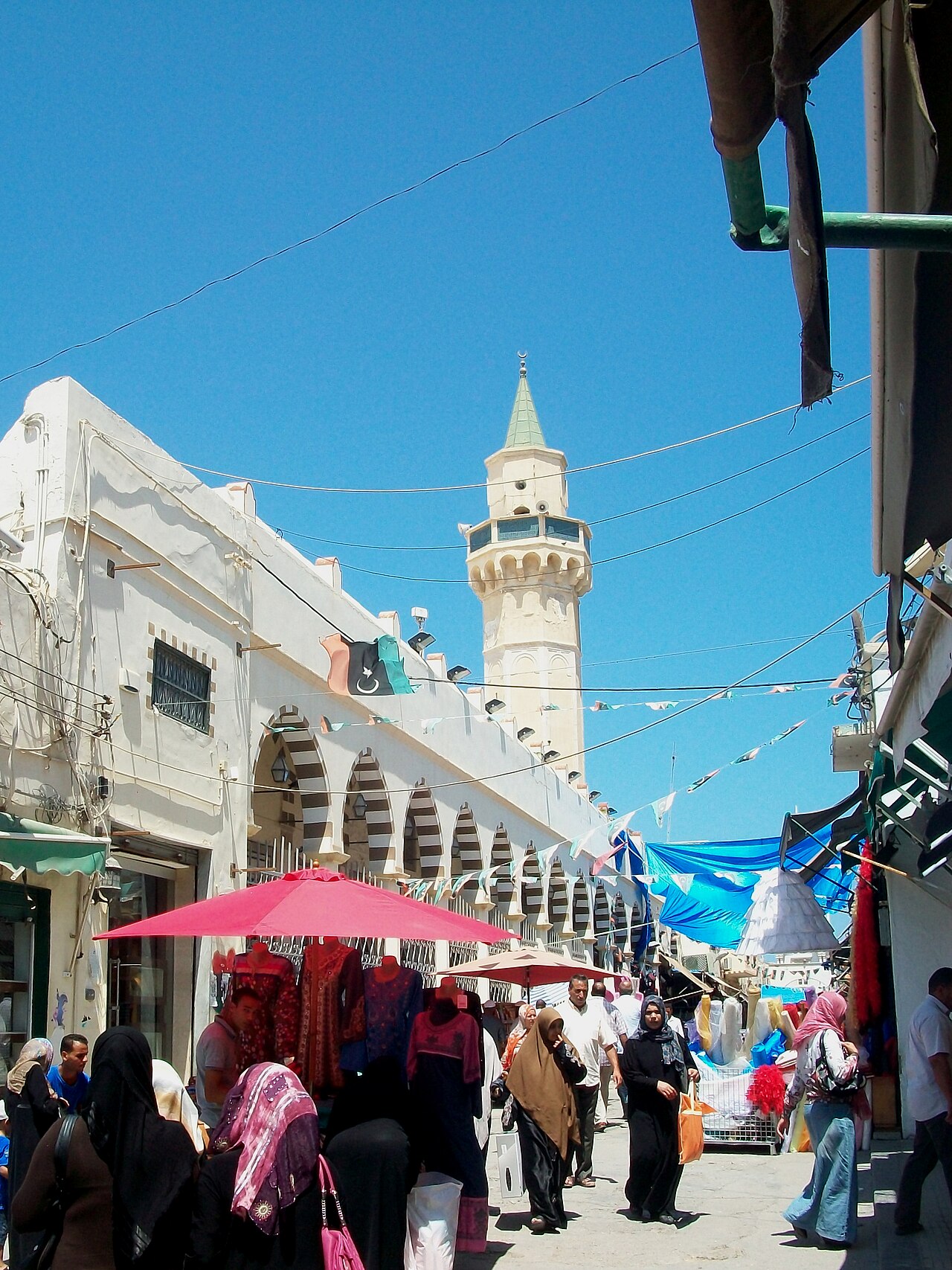
Libya power cuts in Tripoli’s Qasr Bin Ghashir district can last up to 36 hours, a restaurateur told Reuters on 17 September. Naseem Al-Akkari said he spends about 10,000 Libyan dinars (US$1,575) a day on generators.
A 36-hour outage in one Tripoli district
Naseem Al-Akkari owns a chain of restaurants in Tripoli, the Libyan capital. He told Reuters that this summer’s heatwaves caused him an estimated US$40,000 in losses in a few months.
“The generator has to run to prevent goods from spoiling,” he said. The power went out more than ten times during his interview with Reuters.
In Qasr Bin Ghashir, a southern district of Tripoli, outages can last up to 36 hours, Akkari said. That is one owner’s account of one district, not an official figure.
In Benghazi, in the east, pastry shop manager Sufian Boushaala told Reuters the cuts forced his family business to lay off staff. Some days it closed completely.
Why Libya power cuts are so costly for businesses
Akkari said the long outages mean spending about 10,000 dinars (US$1,575) a day on generators. All figures here use 18 September 2026 rates of 6.35 dinars to the US dollar.
Subsidised diesel costs 0.15 dinars (about US$0.02) a litre. Reuters reported that the black-market price has surged as high as 11 dinars (US$1.73) a litre.
That is about 73 times the official price. Petrol queues in both eastern and western Libya can now stretch up to two kilometres, Reuters reported.
The state fuel distributor, Brega Petroleum Marketing, has set up a mobile refuelling station with a limit of 300 litres per vehicle. Even so, queues can still last hours.
What GECOL has said
The state-owned General Electricity Company of Libya (GECOL) runs the national grid. Reuters said water from the Great Man-Made River Project was cut off after GECOL declared a blackout.
GECOL did not respond to a Reuters request for an interview. Its most recent public statements came in August and early September.
On 18 August 2026, GECOL’s general assembly named Bashir Al-Marash as chairman, replacing Mohamed Al-Mashai, the Libya Herald reported. On 26 August, Al-Marash said the cuts should end for all of Libya within 10 to 15 days.
Those 15 days ended around 10 September, yet a week later Reuters still found long outages in Tripoli. GECOL also reported a partial blackout in western Libya on 31 August, after two major transmission lines tripped.
On 4 September, GECOL said it had reconnected a 150-megawatt unit at the Zawia power plant, west of Tripoli. It had earlier announced the start of the first unit at the new South Tripoli station.
Heat, old equipment and smuggled fuel
Reuters linked the crisis to this summer’s heatwaves, global energy disruptions, ageing infrastructure and widespread fuel smuggling. Jalel Harchaoui of Britain’s Royal United Services Institute also pointed to shortfalls in natural gas production.
US watchdog The Sentry estimated that fuel smuggling costs Libyans about US$6.7 billion a year. Brega said nine fuel tanks in Tripoli destroyed in 2014 are still not repaired.
The UN envoy for Libya, Hanna Tetteh, called the outages a “striking paradox” in an August briefing. Libya spends about US$1 billion a month on fuel imports, Reuters reported.
On 1 July 2026, the state news agency LANA reported that demand had passed 7,000 megawatts. It said some areas faced cuts of more than eight hours a day.
What is not known
There is no current, official national figure for how long outages last. The 36-hour figure comes from one business owner; LANA’s eight-hour figure dates from July.
Protesters blocked roads and burned tyres in Tripoli in late July, Al Jazeera reported. It is not confirmed whether new protests have followed in September.
What this means for expats and investors
For anyone running a shop, restaurant or workshop in Libya, backup power is now a major running cost. Owners should budget for a generator, fuel storage and closed days.
Investors should note that Libya holds North Africa’s largest proven oil reserves yet still imports costly refined fuel. The split between rival governments in the east and west adds operational risk.
Expats in Tripoli or Benghazi should plan for long outages and hours-long fuel queues. The same lesson applies elsewhere in Africa and Latin America: check the grid, not just the resources.
What to watch next
The key signs are new generating units reaching the grid, fuel supply to power stations and any GECOL update on outage schedules. Cooler autumn weather should also ease demand, though no forecast has been published.
Frequently Asked Questions
Frequently Asked Questions
How long do Libya power cuts last?
It varies by area. A Tripoli restaurateur told Reuters in September that cuts in his district can last up to 36 hours. In July, state media reported cuts of more than eight hours a day in some areas.
What has GECOL promised?
Its new chairman, Bashir Al-Marash, said on 26 August 2026 that the cuts should end within 10 to 15 days. That period has passed, and outages continue.
Why is fuel so expensive for Libyan businesses?
Subsidised diesel is scarce because of smuggling and supply problems. Black-market diesel has reached as much as 11 dinars (US$1.73) a litre, Reuters reported.
Connected Coverage
Drone Attack on Tripoli Fuel Depot Extends a Month of Strikes on Libya’s Oil Lifeline
Sources: Reuters, 17 September 2026; General Electricity Company of Libya statements via Libya Herald, August–September 2026; Libyan News Agency (LANA), 1 July 2026; Al Jazeera.
This article was produced by The Rio Times’ automated newsroom system. How we use AI · Report an error
Part of our ongoing coverage
Africa: The New Scramble — the great-power contest over the continent.
LatAm Markets: Live Signals → — real-time movers, turnover leaders and FX across Latin America.
Read More from The Rio Times