What Is Pemex? Mexico’s State Oil Giant, Its US$77.5 Billion Debt and Why It Matters
COMPANIES · MEXICO
Key Facts
- —The country Mexico, the United States’ southern neighbour and fellow USMCA member. Its constitution reserves oil to the nation, and Pemex is the company that exploits it.
- —What it is Petróleos Mexicanos, created in 1938 after Mexico nationalised foreign oil companies. Since March 2025 it is legally a “state public company” that pumps, refines and sells fuel.
- —Size Revenue of 1,528.5 billion pesos (about US$85.4 billion) in 2025. The net loss was 81.7 billion pesos (about US$4.6 billion). It had 126,905 permanent employees at the end of 2025.
- —Ownership 100 percent owned by the federal government. An eight-member board is made up of cabinet ministers, the head of the state power utility and three independents. Juan Carlos Carpio has been chief executive since May 2026.
- —Why it matters It produced 1.66 million barrels a day of oil and other liquids in the second quarter of 2026. It runs seven Mexican refineries plus Deer Park in Texas, and is Mexico’s main fuel supplier.
- —The catch Financial debt of US$77.5 billion on 30 June 2026, plus 374.3 billion pesos (about US$20.9 billion) owed to suppliers. It relied on 395.3 billion pesos (about US$22.1 billion) of state capital in 2025.
Pemex explained for outsiders: what Mexico’s state oil company does and how it earns and loses money. And why its debt matters to anyone with a stake in Mexico.
What is Pemex? It is Mexico’s largest company by revenue and a national symbol since 1938. It also keeps needing government money to pay its bills. That makes its debt a question for Mexico’s own credit rating.
What the company does
In March 1938 President Lázaro Cárdenas nationalised the foreign-owned oil companies operating in Mexico. A presidential decree dated 7 June 1938 created Petróleos Mexicanos, and it took effect on 20 July. Oil has been a symbol of national sovereignty ever since, which shapes every debate about the company.
Pemex does almost everything in the oil chain. It finds and pumps crude and natural gas and refines them into petrol, diesel and jet fuel. It then moves and sells those fuels. It also makes petrochemicals and fertilisers.
Its legal form changed in March 2025. A new law, published on 18 March 2025, turned Pemex into a “state public company” under the Ministry of Energy. It dissolved the separate exploration, refining and logistics subsidiaries and folded them back into one company. The law also widened its remit to renewable energy, biofuels and lithium.
Upstream, most of the oil comes from the shallow waters of the Gulf of Mexico. In the fourth quarter of 2025, 63 percent of liquids output came from shallow-water fields. Newer fields such as Ixachi, Bakté, Itta, Koban and Maloob drove output in 2026.
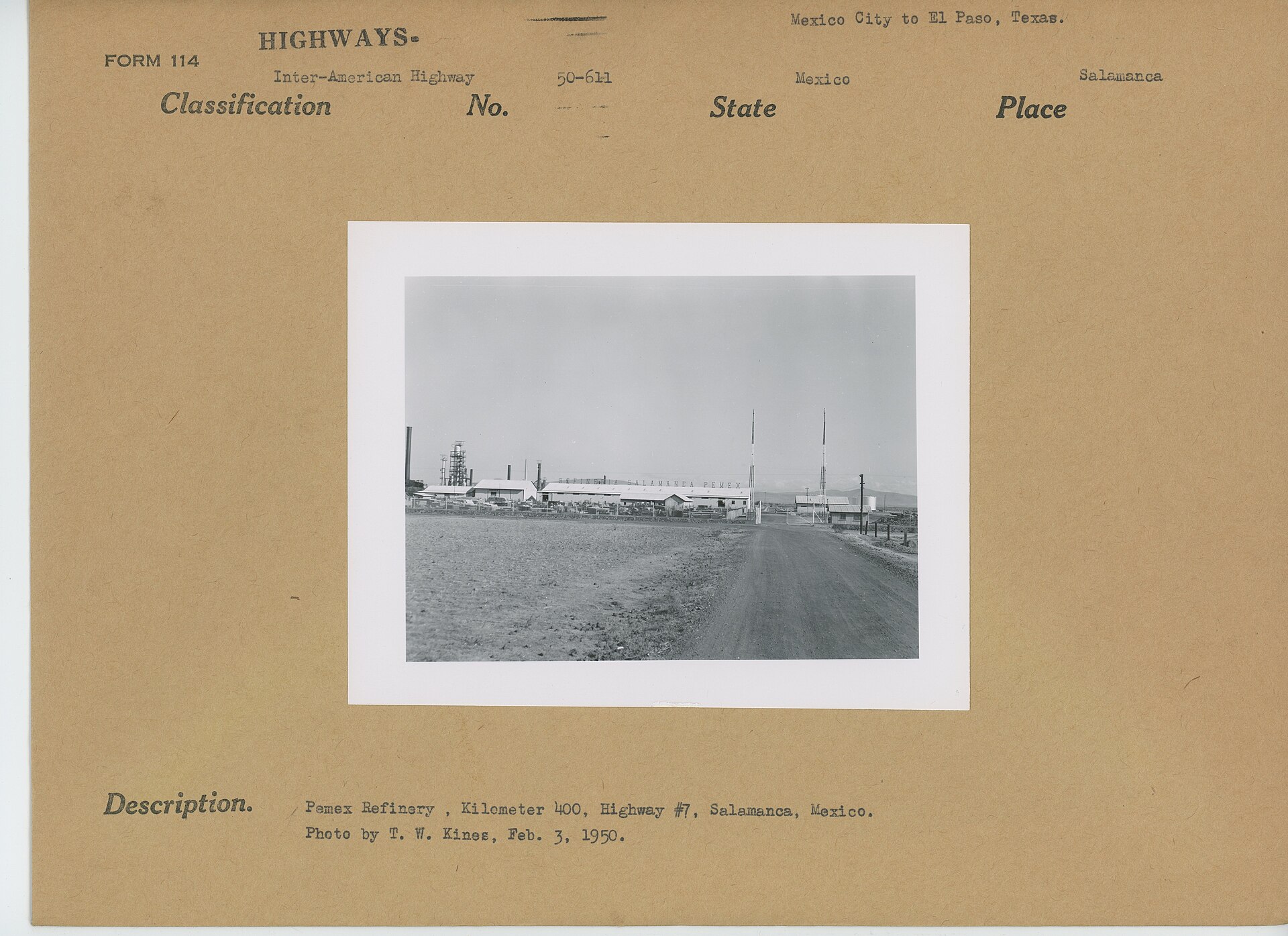
Downstream, Pemex ran seven refineries in Mexico at the end of 2025: Cadereyta, Madero, Minatitlán, Olmeca, Salamanca, Salina Cruz and Tula. Olmeca is the new plant at Dos Bocas in Tabasco. Pemex also owns the Deer Park refinery in Texas, acquired in 2022, with 340,000 barrels a day of distillation capacity.
How it makes money
Pemex has two sources of income. It sells fuel at home, and it sells crude and products abroad. In the second quarter of 2026, sales in Mexico brought in 328.1 billion pesos (about US$18.3 billion). Exports brought in 181.8 billion pesos (about US$10.2 billion). Peso figures here are converted at about 17.90 pesos per US dollar, the market rate in late September 2026.
The home market is getting more important. Domestic fuel sales rose 9.8 percent to 1.47 million barrels a day in the second quarter. Petrol sales grew 11.4 percent and diesel 19.1 percent, as Pemex refined more of its own crude instead of exporting it. Crude export volumes fell 28 percent in 2025.
Prices matter as much as volumes. The Mexican export mix, the company’s benchmark crude, averaged US$81.76 a barrel in the first half of 2026. That was 30.2 percent more than a year earlier. Pemex attributes the rise to the conflict involving the United States, Israel and Iran. It hedges about a quarter of its expected oil exposure against falling prices.
The state takes a large cut before any profit appears. Since 2025 Pemex pays a single Welfare Oil Duty. It is 30 percent of the value of the hydrocarbons it extracts, with no deductions. That duty alone cost 69.3 billion pesos (about US$3.9 billion) in the second quarter of 2026. Total taxes and duties in 2025 came to 195.3 billion pesos (about US$10.9 billion).
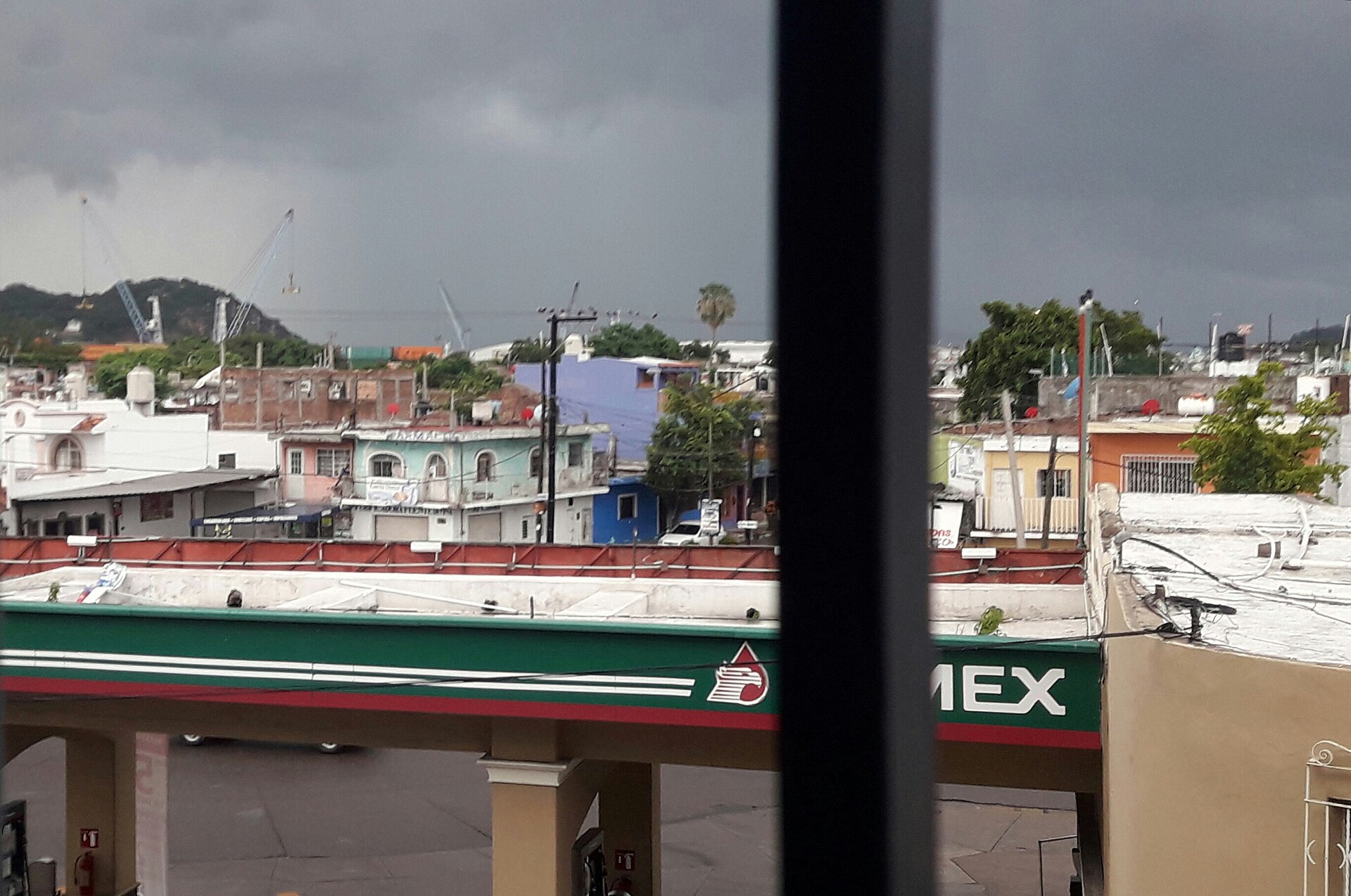
Pemex also collects fuel excise tax at the pump on the government’s behalf and passes it on. That money is not Pemex’s to keep, but it ties the company’s pricing closely to federal fuel subsidy policy.
The numbers
The latest reported period is the second quarter of 2026. Pemex published it on 31 July 2026. Revenue from sales and services rose 30.3 percent to 510.4 billion pesos (about US$28.5 billion). Operating profit was 85.5 billion pesos (about US$4.8 billion). A year earlier there was an operating loss of 11.1 billion pesos (about US$0.6 billion).
Net profit was 18.0 billion pesos (about US$1.0 billion), down 69.7 percent from 59.5 billion pesos (about US$3.3 billion). The fall came mainly from smaller currency gains and higher financing costs. The currency gain was 49.3 billion pesos (about US$2.8 billion). A year earlier it was 134.7 billion pesos (about US$7.5 billion). For the first half of 2026, Pemex still booked a net loss of 28.0 billion pesos (about US$1.6 billion).
The full-year picture is weaker. In 2025 revenue fell 8.6 percent to 1,528.5 billion pesos (about US$85.4 billion). The net loss was 81.7 billion pesos (about US$4.6 billion). That compares with a loss of 780.6 billion pesos (about US$43.6 billion) in 2024. Currency gains and lower write-downs made the difference.
Debt is the number most investors watch. Total financial debt was US$77.5 billion on 30 June 2026, down 9.1 percent from US$85.2 billion at the end of 2025. That in turn was 12.7 percent below the end of 2024. Short-term debt fell to 16 percent of the total.
Other obligations sit on top. Pemex owed suppliers 374.3 billion pesos (about US$20.9 billion) at the end of June 2026. Its reserve for employee benefits, mostly pensions, stood at 1,506.5 billion pesos (about US$84.2 billion). Total liabilities exceeded total assets by 1,846.4 billion pesos (about US$103.2 billion).
On the asset side, proved reserves were 7,471.9 million barrels of oil equivalent at the end of 2025. Pemex replaced 102.6 percent of what it produced that year, thanks to gas. Its 2026 investment budget is 303.3 billion pesos (about US$16.9 billion), of which 37.7 percent had been spent by 30 June.
Ownership and governance
The federal government owns all of Pemex. Under the 2025 law its board was cut from ten to eight members. They are the ministers of energy, finance, environment and science, the head of the Federal Electricity Commission, and three independent members. The president nominates the independents, and two-thirds of the Senate must ratify them.
The chief executive is Juan Carlos Carpio Fragoso. President Claudia Sheinbaum announced his appointment on 14 May 2026. He was previously Pemex’s corporate director of finance. Before that he worked in Mexico City’s finance department under Luz Elena González, now energy minister. His appointment put a finance specialist in charge of a company whose main problem is money.
He replaced Víctor Rodríguez Padilla, a university academic who led Pemex for about 18 months. Sheinbaum said the two had agreed from the start that his tenure would be temporary.
Strategy comes from the 2025–2035 Strategic Plan, announced on 5 August 2025. It aims to stabilise production, refine more at home, cut fuel imports and turn Pemex into a net diesel exporter. It also relies on “mixed development” contracts. In these, Pemex keeps at least 40 percent of a field while a private partner pays all the investment and operating costs.
Labour relations run through the Petroleum Workers’ Union, founded in 1938. Pemex says it has not experienced a strike since then.
Why it matters for the region
Pemex matters first to Mexico’s public finances. Rating agencies treat its debt as a contingent liability of the state. In May 2026 S&P cut the outlook on Mexico, Pemex and the state power utility to negative. At the end of June Pemex was rated BBB (negative outlook) by S&P, B1 by Moody’s and BB+ by Fitch.
The gap between those ratings tells the story. S&P rates both Pemex and the Mexican government BBB, while Moody’s and Fitch put Pemex below the sovereign. The market treats Pemex debt as close to government debt because the state has kept paying it.
It matters to the United States too. Pemex has long imported a large share of the fuel Mexico uses. Its push to refine at home cut purchases of imported products by 96.9 billion pesos (about US$5.4 billion) in 2025. Pemex also owns a large refinery in Texas, which makes it a direct player in the American fuel market.
And it matters to Latin America’s other state oil companies. In the second quarter of 2026 Pemex and Brazil’s Petrobras signed a memorandum of understanding on technical cooperation. It covers mature fields, deep and ultra-deep water, refining, petrochemicals and fertilisers.
Risks
The first risk is output. Liquids production averaged 1,635,000 barrels a day in 2025, down 7.0 percent in a year. New reserves added in 2025 did not cover what Pemex pumped, so its proved liquids reserves fell 2.6 percent. The government’s target is 1.8 million barrels a day.
The second risk is dependence on the state. Pemex received 395.3 billion pesos (about US$22.1 billion) in capital contributions in 2025. That was 152.6 percent more than the 156.5 billion pesos (about US$8.7 billion) of 2024. Its balance sheet shows a further 100.4 billion pesos (about US$5.6 billion) of new state capital in the first half of 2026.
On 5 August 2025 Sheinbaum said Pemex would stand on its own from 2027. The 2027 budget package, presented in early September 2026, still includes 81.1 billion pesos (about US$4.5 billion) to help Pemex repay debt. That is less than in 2026, but it is not zero.
The third risk is unpaid bills. Suppliers and contractors had built up large unpaid invoices by 2025. In September 2025 the government and development banks set up a payment vehicle. It can hold up to 250 billion pesos (about US$14.0 billion). It paid out 191.9 billion pesos (about US$10.7 billion) in the second half of 2025.
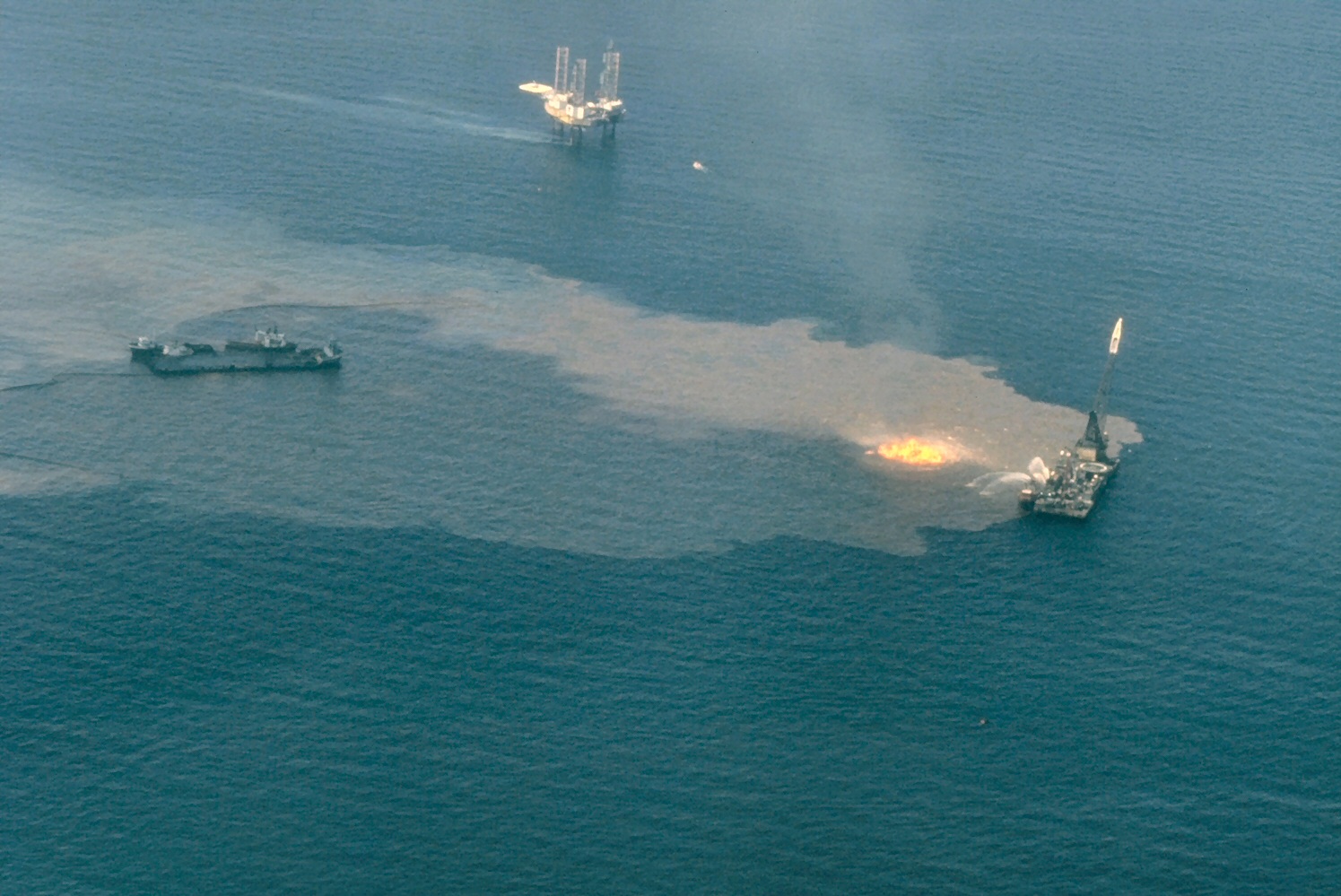
The fourth is operational and environmental. Offshore work carries accident risk, as the 1979 Ixtoc I blowout in the Bay of Campeche showed. Fuel theft and smuggling by criminal groups remain a problem, and the Strategic Plan lists the illicit fuel market as a target.
What to watch
As of 28 September 2026, the 2027 budget is before Congress. It is the key test. Under Mexican budget law, the Chamber of Deputies must pass the revenue law by 20 October and the Senate by 31 October. The expenditure budget must be approved by 15 November. The package assumes Pemex produces 1.8 million barrels a day in 2027, above its current level.
Next comes the third-quarter report, expected around the end of October. Watch three lines: liquids production against the 1.8 million target, financial debt against US$77.5 billion, and the amount owed to suppliers.
Then watch the ratings. S&P’s negative outlook on Mexico and Pemex signals that a downgrade is possible, typically within two years. A cut to the sovereign would feed straight into Pemex’s borrowing costs.
Finally, watch how Carpio refinances. Pemex returned to the local bond market in February 2026 with a 31.5 billion peso issue (about US$1.8 billion). A return to international markets would show whether investors will lend to Pemex without a fresh state guarantee.
Connected Coverage
Mexico’s US$20 Billion Pemex Debt Cut, and Who Paid
Mexico Faces Fresh Warning on Investment Grade as Pemex Debt Looms
Pemex CEO Change: Mexico Names Finance Chief Days After S&P Cut
S&P Cuts Mexico, Pemex and CFE Outlook to Negative on Fiscal Strain
Mexico’s Pemex Heads to Brazil to Seal a Deal With Petrobras
Who Is Claudia Sheinbaum? Mexico’s President Explained: Her Path, Her Policies and What to Watch
Sources: Company figures from Pemex’s quarterly reports and its 2025 annual report on Form 20-F, the legal framework from the Chamber of Deputies, and budget figures from the 2027 economic package as reported by Mexican financial media. All accessed 28 September 2026.
- Pemex — results report, second quarter 2026 (31 July 2026)
- Pemex — results report, fourth quarter and full year 2025 (27 February 2026)
- Pemex — annual report on Form 20-F for 2025, filed 30 April 2026
- Cámara de Diputados — Law of the State Public Company Petróleos Mexicanos
- El Financiero — profile of Juan Carlos Carpio, 14 May 2026
- El Financiero — 2027 economic package and Pemex support, 9 September 2026
- Infobae — 2027 package and the 2025 self-sufficiency pledge, 9 September 2026
What Is Not Known
Whether production can reach 1.8 million barrels a day. The 2027 budget assumes it, and Pemex reported 1.66 million in the second quarter of 2026. Newer fields such as Ixachi and Bakté are growing, but mature fields keep declining.
Whether Pemex can truly stand alone from 2027. The president said it would, yet the 2027 package still sets aside 81.1 billion pesos (about US$4.5 billion) for its debt. How much further support may be needed if oil prices fall is not public.
How Carpio plans to refinance. Mexican media have discussed a return to international bond markets since his appointment. Pemex raised no new funding in the second quarter of 2026, and the price investors would demand without fresh state backing is untested.
The true size of arrears. Supplier balances fell in the first half of 2026, but the reported figure does not show how much of it is overdue.
Frequently Asked Questions
What is Pemex?
Pemex, or Petróleos Mexicanos, is Mexico’s state-owned oil company, created in 1938 after the nationalisation of foreign oil firms. It explores for and produces oil and gas, runs seven refineries in Mexico plus one in Texas, and sells most of the fuel used in Mexico.
Who runs Pemex in 2026?
Juan Carlos Carpio Fragoso, an economist and Pemex’s former corporate director of finance. President Claudia Sheinbaum announced his appointment on 14 May 2026. He replaced Víctor Rodríguez Padilla.
How much debt does Pemex have?
Total financial debt was US$77.5 billion on 30 June 2026, down 9.1 percent from US$85.2 billion at the end of 2025. Pemex also owed suppliers 374.3 billion pesos, about US$20.9 billion.
How much oil does Pemex produce?
Pemex produced 1.66 million barrels a day of crude oil, condensates and other liquids in the second quarter of 2026. The 2025 average was 1.64 million barrels a day, down 7.0 percent in a year. The government target is 1.8 million.
Does the Mexican government bail out Pemex?
Yes, regularly. The state injected 395.3 billion pesos, about US$22.1 billion, in capital in 2025 and a further 100.4 billion pesos, about US$5.6 billion, in the first half of 2026. The 2027 budget proposal includes 81.1 billion pesos, about US$4.5 billion, for Pemex debt repayments.
This article was produced by The Rio Times’ automated newsroom system. How we use AI · Report an error
LatAm Markets: Live Signals → — real-time movers, turnover leaders and FX across Latin America.
Read More from The Rio Times