Mercado Pago, Mercado Libre’s Fintech, Launches Payroll-Deducted Loans in Brazil
Brazil · Business
Key Facts
- —What happened Mercado Pago began offering payroll-deducted loans to Brazil’s private-sector workers on August 17, 2026.
- —How big a jump The market has moved roughly US$22 billion across 20 million contracts since March 2025.
- —The catch Rate caps in 2026 cooled lending, which fell 29% from March to May.
- —Who it touches Mercado Pago competes with Caixa, Itau, Nubank, and others for formal workers.
- —What comes next The company will roll out loans gradually, watching payroll deduction performance before expanding.
The Mercado Libre fintech joins a crowded fight for Brazil’s fast-growing private payroll-loan market, worth roughly US$22 billion since 2025.
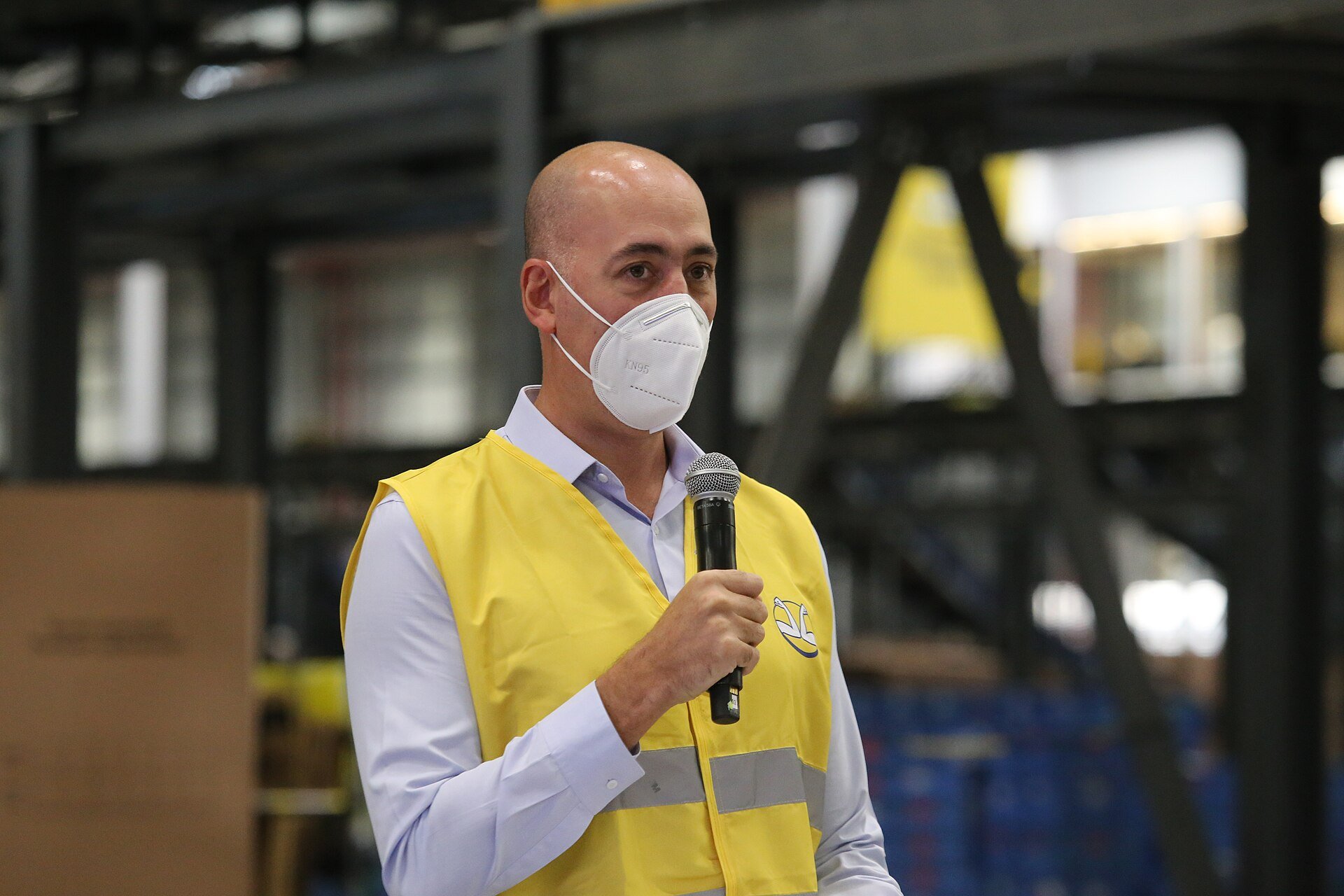
Mercado Pago, the fintech arm of Mercado Libre, has entered one of Brazil’s hottest lending races. On August 17, 2026, it began offering payroll-deducted loans to private-sector workers.
Joining big banks and rival fintechs in a market that barely existed two years ago.
What Mercado Pago Just Launched
On August 17, 2026, Mercado Pago began offering “consignado privado” loans to formal private-sector workers in Brazil. These are loans repaid automatically through payroll deductions, so the installment comes out before the worker ever sees the money.
The company runs the product through the government’s Crédito do Trabalhador platform. Because repayment is tied to a paycheck, lenders take on less risk and can offer cheaper rates than an ordinary personal loan.
How Payroll-Deducted Loans Work in Brazil
In a payroll-deducted loan, the monthly payment is subtracted straight from the borrower’s salary. As a result, the default risk drops sharply, since the lender is paid before the worker spends anything.
Brazil caps these deductions at 35% of a worker’s pay, so borrowing cannot swallow an entire salary. Workers can also move their debt to another lender offering a better deal, a portability rule the government added in 2025.
Live Company IntelligenceMercadoLibre Inc. — the full investor dossier
Wall Street view
Valuation & profitability
Price & risk
$1,495.0052-wk high
$2,428.00
Revenue trend · 6y
Ownership
Dividend
The July Pilot That Closed 5,000 Contracts
Before the public launch, Mercado Pago ran a short pilot over four days in July 2026. In that window, the fintech reported closing about 5,000 contracts, a quick signal of demand.
The company says it will roll out the loans gradually across its customer base. Instead of flooding the market at once, it plans to expand as it watches how each payroll deduction performs.
A US$22 Billion Market Almost Overnight
The prize is large. Since the Crédito do Trabalhador program launched in March 2025, it has moved roughly R$117 billion.
Or about US$22 billion, in loans, according to Brazil’s Labor Ministry. More than 20 million contracts have been signed, reaching close to 10 million workers.
In short, a market that did not exist before 2025 has become one of the country’s busiest credit lines.
Why Brazil Built Crédito do Trabalhador
For years, cheap payroll loans in Brazil were mostly limited to retirees and public employees. Private-sector workers, by contrast, often paid punishing rates on regular personal loans and credit cards.
So in March 2025 the government opened payroll lending to formal private-sector workers through a single digital platform. The idea was simple: use the safety of payroll deduction to bring interest rates down for everyday employees.
The Interest-Rate Cap That Reshaped the Race
The boom also brought worries about over-indebtedness. As a result, regulators stepped in during 2026 to limit how much lenders could charge.
In April. New rules tied rates to a market reference and squeezed the gap between the headline rate and the true total cost.
Then in June, the government set a cap near 1.99% per month on certain guaranteed contracts. The caps cooled the frenzy.
Monthly lending fell from about R$10.6 billion in March to R$7.7 billion in May. Roughly a 29% drop, even as some smaller lenders pulled back or left.
Mercado Pago Enters a Crowded Field
Mercado Pago is far from alone. Brazil’s largest banks, including Caixa, Itau, Banco do Brasil, Santander and Bradesco, all chase these borrowers.
Fintech rivals are circling too. Nubank, PicPay and Creditas already offer private payroll loans.
So Mercado Pago must win share in a market that is already fiercely priced.
A Fintech, Not a Bank
Mercado Pago is the financial arm of Mercado Libre, Latin America’s largest e-commerce company. It operates as a fintech rather than a traditional bank.
Yet it has grown into one of Brazil’s biggest digital payment and credit platforms. That reach matters here.
Because tens of millions of Brazilians already use its app for payments. The company can offer loans to people it already knows well.
Private-Sector vs. Public-Sector Loans
It helps to keep two products apart. Crédito do Trabalhador serves private-sector employees with a signed work card.
While the older INSS consignado serves retirees and pensioners under different rules. This new push is squarely about private-sector workers.
That group is far larger and, until recently, was mostly shut out of the cheapest borrowing.
What It Means for Workers and Mercado Pago
For workers, more competition should mean sharper rates and easier access from an app they already trust. Even so, the 35% payroll cap and interest ceilings are meant to keep debt from spiraling.
For Mercado Pago, the loans deepen its grip on Brazilian finance. Overall, the move fits its steady march from payments into full-blown lending, one product at a time.
More: Brazil news, every day from The Rio Times.
Frequently Asked Questions
What is Mercado Pago launching in Brazil?
Mercado Pago is offering payroll-deducted loans, known as consignado privado, to private-sector workers. Repayments are pulled straight from the borrower’s salary through the government’s Crédito do Trabalhador platform.
When did the loans launch?
The public launch was August 17, 2026. It followed a four-day pilot in July 2026 that closed about 5,000 contracts.
How big is Brazil’s private payroll-loan market?
Since March 2025, the Crédito do Trabalhador program has moved roughly R$117 billion, about US$22 billion. Across more than 20 million contracts reaching close to 10 million workers.
How is this different from public-sector consignado?
This product is for private-sector workers with a formal job. The older INSS consignado is a separate market for retirees and pensioners with different rules.
Connected Coverage
Sources: Valor Economico; O Povo; Brazil Ministry of Labor and Employment (gov.br); g1.
This article was produced by The Rio Times’ automated newsroom system. How we use AI · Report an error
Read More from The Rio Times