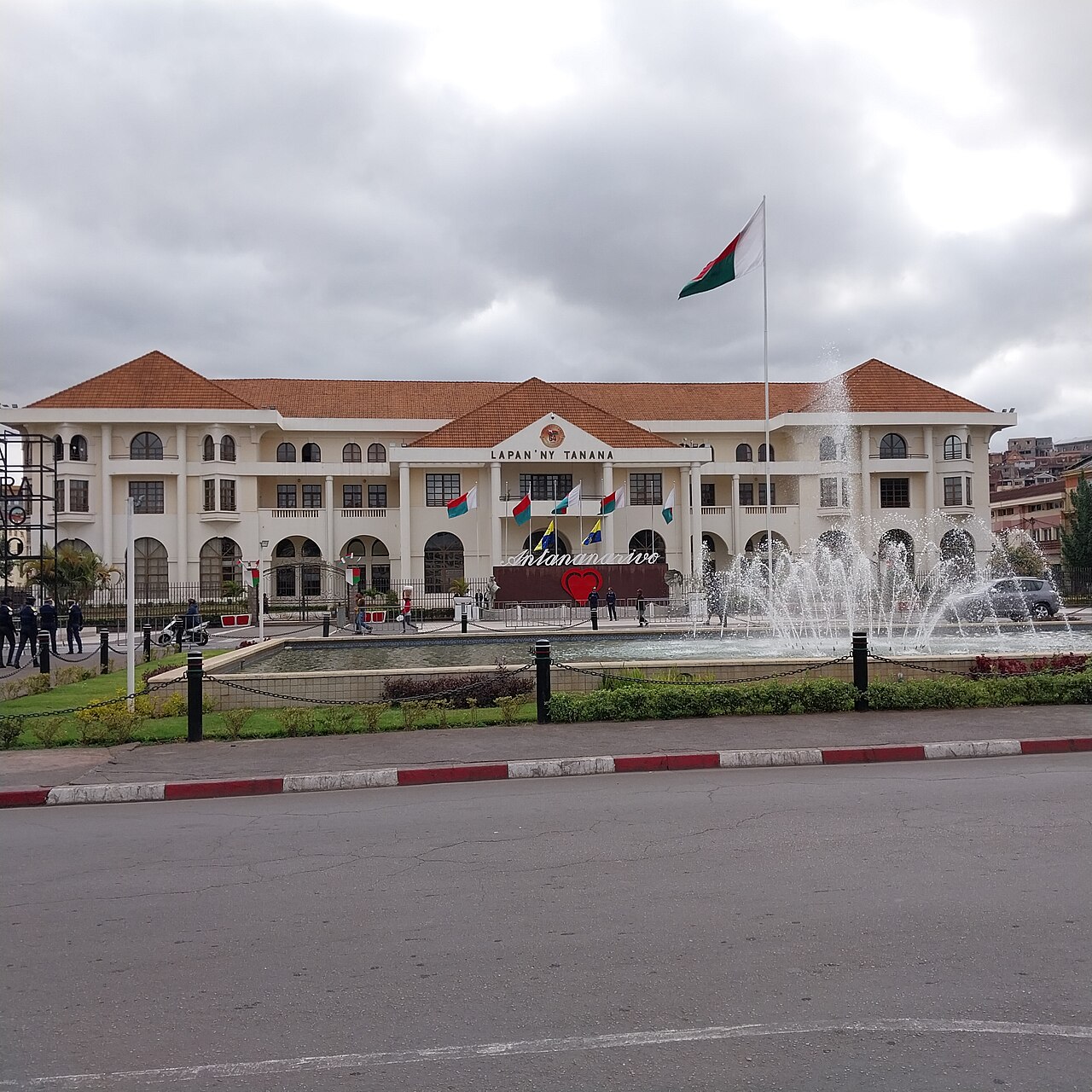
Politics: Madagascar
Madagascar’s military-backed government now presents a constitutional referendum as the country’s main vote of 2027, and a presidential election in the same year looks harder to deliver. The reason is simple: under the line adopted at political talks this month, the presidential vote cannot be held until a new constitution is approved, according to the line adopted at the talks, and that text has not yet been written.
The national consultation that is supposed to produce draft constitutions is running late, Colonel Michaël Randrianirina, the head of state, said in Antsirabe, a highland city south of the capital, on Sunday 8 November 2026. The council of Madagascar’s main Christian churches, which runs the process, has indicated that it will publish its conclusions only after May 2027, according to reporting in the Malagasy press.
Key Facts
- Shift. Officials now stress the referendum as 2027’s main vote; a presidential election that year looks less likely.
- Plan. The government’s timetable has a referendum from May to July 2027 and a presidential vote before year-end.
- Delay. On 8 November the head of state said the national consultation is running “slightly” late.
- Court. Madagascar’s top constitutional court allowed a referendum first, if three quarters of lawmakers approve.
- As of 18 November 2026, 14:00 GMT.
Soldiers took power in October 2025 and promised elections in 2027. That calendar now depends on a late national consultation and on a referendum that has to come first.
How the Timetable Has Moved
The Programme de la Refondation, the government’s blueprint for rebuilding the state, was handed to the Southern African Development Community (SADC), the regional bloc, in February 2026. It sets a referendum or constitutional vote between May and July 2027, followed by a presidential election before the end of 2027.
In May 2026 the national electoral commission (CENI) spoke of a referendum in June 2027 and a presidential vote in October 2027. It also said it would rebuild the voters’ roll from zero, a task its president, Thierry Rakotonarivo, put at eleven months.
The emphasis has shifted since then. Political consultations concluded that the referendum must come first, and the draft rules put forward at Ivato, near the capital Antananarivo, on 9 and 10 November call it the first electoral test of the Refondation.
Randrianirina still says elections will happen in 2027. In an interview with United Nations radio after his 24 September speech in New York, he said he believes in the calendar and that “we will manage to hold an election in 2027”, adding that he is “a man of his word”.
Why the Calendar Is Tight
The constitution has to be drafted first, and the drafts are meant to come from the national consultation run by the FFKM, the council of Madagascar’s main Christian churches. On 8 November, in Antsirabe, Randrianirina said the process was “slightly” late and asked its organisers to speed up.
Under the rules proposed at Ivato, voters would be summoned 90 days before the referendum. By our reading, any drafting that only starts after May 2027 therefore pushes the vote toward the end of the government’s May to July window, or past it.
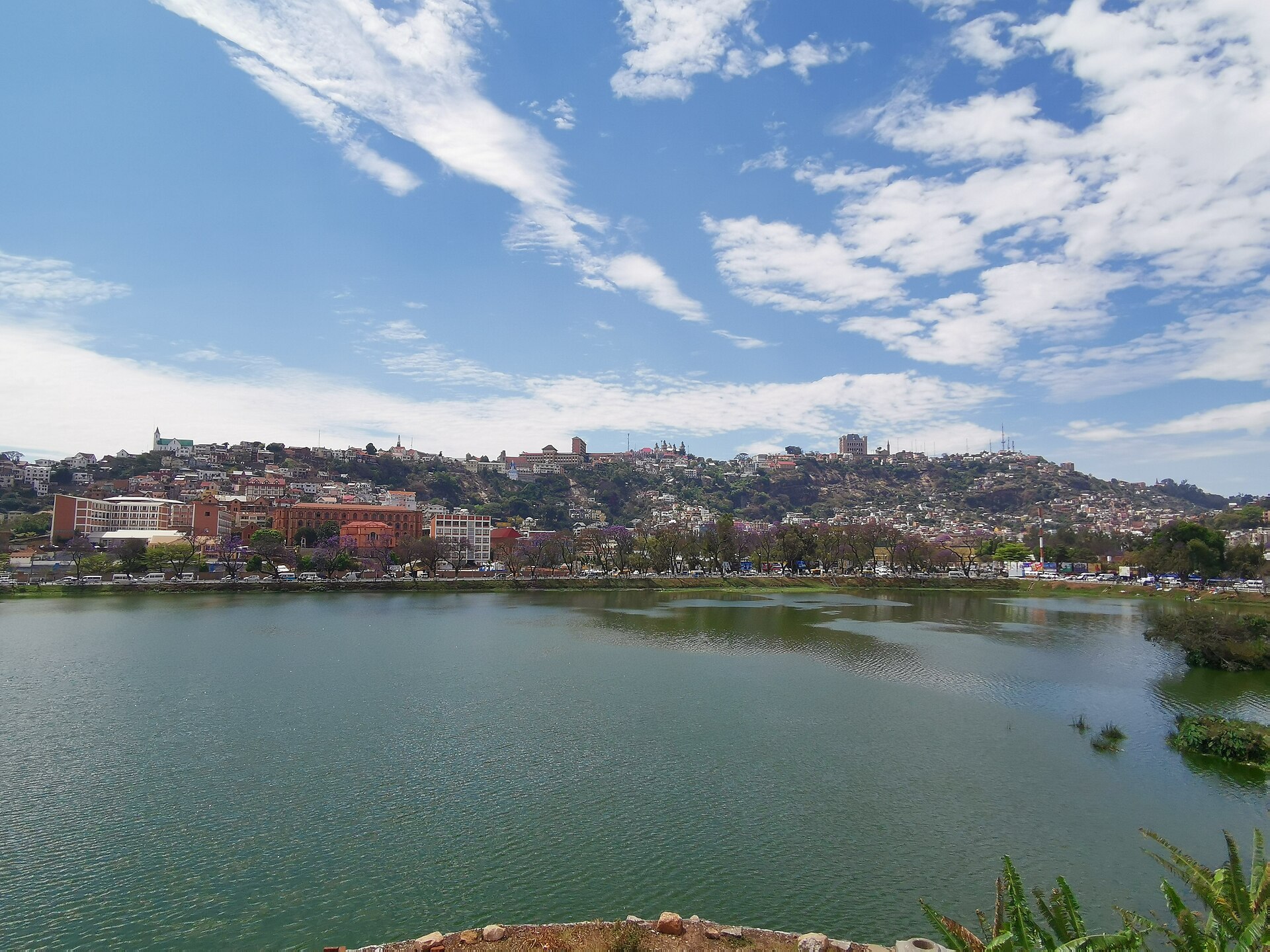
The High Constitutional Court, the country’s top court on constitutional questions, added legal steps in its opinion No. 06-HCC/AV of 4 November 2026. It ruled that a referendum before the presidential election is not unconstitutional, but any draft must first win three quarters of the votes in the National Assembly, and the next presidential election will then be governed by the new constitution.
The court also said that offering voters several alternative drafts in one referendum is possible, but only if the legal framework for referendums is changed. A new legal framework for elections would be needed once the constitution is in force, which adds more work to the calendar.
What Was Proposed at Ivato
Participants in the Ivato consultations, who include political parties, proposed that the voters’ list stay open and be posted in every fokontany, the smallest local administrative unit, 60 days before the vote. They also backed a single ballot paper, a 30-day campaign with no cap on spending and provisional results within 12 days.
Under the same proposals, civil society groups and senior officials appointed by the Council of Ministers would be barred from campaigning, and handing out food or gifts would be banned. Malagasy citizens abroad could vote at consulates, but these are proposals from the talks and not yet law.
Why It Matters
The timetable decides how long the transitional authorities stay in charge, and that is what donors and regional neighbours are watching. The 2027 draft budget sets aside more than 199 billion ariary, Madagascar’s currency (about US$44 million at 4,569 ariary per US$), for the electoral commission, meant to cover the referendum and the presidential election.
That is nearly four times the roughly 50 billion ariary (about US$11 million) in the amended 2026 budget law. The figure comes from the draft law, which parliament has not yet adopted.
Colonel Randrianirina’s own promise is the strongest argument that two votes remain possible in 2027, and the government has not announced a new timetable. Analysis in the Malagasy press, however, says the shift in official language suggests the referendum could become the only national vote of the year.
What Is Not Known
Readers can follow the party fight over the shape of the state in our report on federalism. The wider picture is in our explainer on Madagascar’s role in Africa.
No referendum date has been set, and it is not known whether voters will see one draft constitution or several. The FFKM has not published a date for its resolutions, and no official has said that the presidential election will move to 2028.
We found no sourced comparison with other African transitions on this point, so we offer none. No official source confirms a date for the referendum or for the FFKM resolutions, so we name no dated checkpoint.
Frequently Asked Questions
When is Madagascar’s constitutional referendum?
No date has been set as of 18 November 2026. The government’s timetable places it between May and July 2027.
Will Madagascar hold a presidential election in 2027?
The head of state says yes, and the plan lists it before the end of 2027. The press now reports that the late consultation makes a second vote that year harder.
Who must approve a new constitution?
The High Constitutional Court said on 4 November 2026 that three quarters of the National Assembly must back a draft first. It must then go to a referendum.
Sources: Government of Madagascar, Programme de la Refondation de la République, handed to SADC in February 2026; High Constitutional Court of Madagascar, opinion No. 06-HCC/AV of 4 November 2026; political consultations at Ivato, 9 to 10 November 2026; head of state, remarks in Antsirabe on 8 November 2026 and United Nations radio interview of 24 September 2026; National Independent Electoral Commission (CENI), announcement of May 2026; draft Finance Law 2027 and its explanatory memorandum, November 2026.
This article was produced by The Rio Times’ automated AI newsroom. Editorial responsibility: Matthias Camenzind, Publisher and Editor-in-Chief. The Rio Times also runs Ask Rio Times, which answers from 100,000+ of our own articles, the daily Latin America Power Map, and prediction-market odds on elections and markets.. How we use AI · Report an error