Lula PDT Convention: Brazil’s President Dares US’s Rubio
Brazil · Politics
Key Facts
—PDT endorsement. The Democratic Labour Party (PDT) unanimously endorsed Lula’s 2026 reelection bid at a Brasília convention on July 20, 2026.
—Rubio challenge. Lula dared US Secretary of State Marco Rubio to come to Brazil and set up a committee to support rival Flávio Bolsonaro.
—Sovereignty message. PDT president Carlos Lupi said Brazil is ‘not a backyard’ of the United States and reaffirmed national sovereignty.
—Campaign pillars. Lula outlined themes of democracy, anti-privatization, education investment, and fighting the ‘ultra-right.’
—US tensions. The remarks follow Lula’s earlier warnings to Donald Trump not to interfere in Brazilian elections.
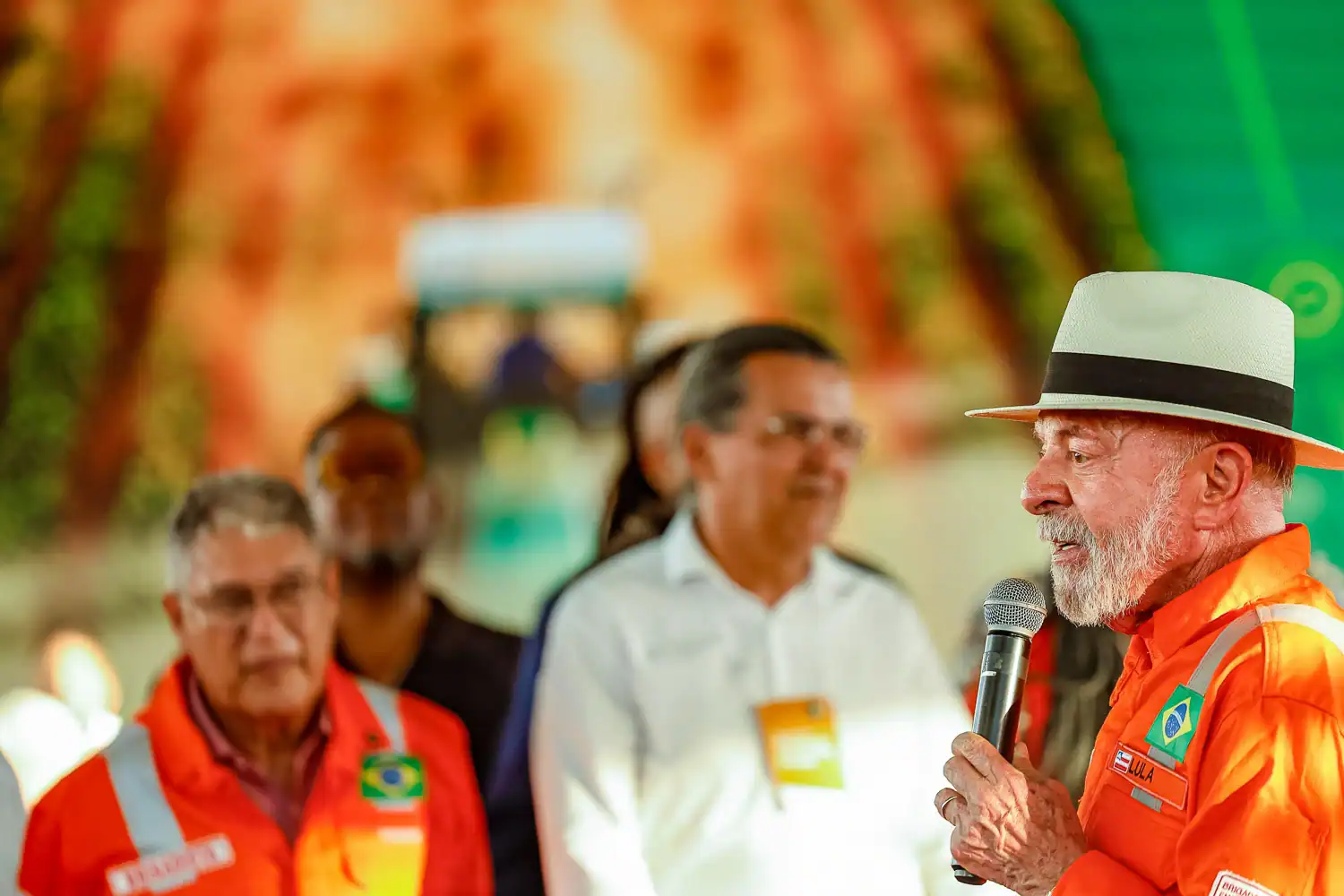
At the Lula PDT convention on July 20, 2026, President Luiz Inácio Lula da Silva formally received the Democratic Labour Party’s unanimous endorsement for his reelection and issued a direct challenge to US Secretary of State Marco Rubio.

PDT Unanimously Endorses Lula’s 2026 Reelection
The PDT (Partido Democrático Trabalhista), a center-left political party with roots in the labor movement, became the first party to formally endorse Lula’s pre-candidacy for a fourth term. The approval came by unanimous vote at the party’s convention in Brasília, signaling early organizational momentum for the president’s campaign.
PDT president Carlos Lupi framed Lula as the ‘antithesis’ of US President Donald Trump, drawing a sharp ideological contrast ahead of the 2026 race. He declared that Brazil is ‘not a backyard’ or a ‘backroom’ of the United States, a statement that resonated strongly with the party’s nationalist base.
Lula Dares Marco Rubio to Intervene
Lula made a specific reference to the US Secretary of State during his speech, elevating the rhetorical stakes between Brasília and Washington. He dared Rubio to come support his rival, Flávio Bolsonaro, if he wished, turning the tables on perceived foreign meddling.
The president said: ‘If (Rubio) wants to come support my adversary, he should come, he should set up a committee.’ He added that his camp would ‘defeat everyone in the name of defending democracy,’ framing the potential interference as a battle for Brazil’s political soul.
Lula did not name Rubio in every report, but his message was a clear challenge to foreign interference. He concluded with a defiant invitation: ‘Who wants can come and watch,’ a phrase that underscored his confidence and his willingness to confront external pressure publicly.
Campaign Themes: Democracy and Sovereignty
Lula warned that democracy is now viewed with ‘hatred’ in some quarters, a concern he linked to the rise of authoritarian rhetoric globally. He expressed nostalgia for past elections where opponents at least ‘defended democracy,’ suggesting that the current political climate has abandoned basic democratic norms.
He also wants to restore what he called ‘pre-golpe’ democracy, a direct reference to the 2016 impeachment of former President Dilma Rousseff, which his Workers’ Party has long labeled a parliamentary coup. This historical grievance remains a mobilizing force for his left-wing coalition.
National sovereignty was a central theme throughout the convention. Lula stated, ‘No one tells us what we will do; here we decide what to do,’ while criticizing US tariffs on Brazilian goods, which he argues unfairly target the country’s industrial and agricultural exports.
Economic and Social Agenda Outlined
Lula condemned privatizations carried out under former President Jair Bolsonaro’s government, specifically targeting the sale of state-owned assets like Eletrobras, Latin America’s largest power utility. He called for renewed public investment in education and the nationalization of full-time schools, signaling a return to state-led development.
He emphasized social inclusion as a core pillar of his agenda, promising to expand programs that lift vulnerable populations into the formal economy. The president framed the 2026 election as a fight against ‘fascism and the ultra-right,’ a message designed to unify progressive voters against a fragmented opposition.
What It Means for Expats and Investors
For foreign residents and investors in Brazil, the Lula PDT convention signals a campaign that will heavily emphasize economic nationalism and a tougher stance on US trade policy. Lula’s anti-privatization rhetoric suggests that sectors like energy and infrastructure could see reduced opportunities for foreign capital if he wins a fourth term.
The direct challenge to a sitting US Secretary of State also raises the stakes for diplomatic relations between the two largest economies in the Americas. Expats should monitor how this rhetoric translates into actual policy, as heightened tensions could affect visa cooperation, trade agreements, and the overall business climate.
What Happens Next in the 2026 Race
With the PDT’s early endorsement, Lula is expected to consolidate support from other center-left and left-wing parties in the coming months. His campaign will likely intensify its focus on the ‘ultra-right’ threat, using the Rubio challenge as a rallying cry to mobilize voters who are wary of US influence in Brazilian affairs.
On the opposition side, Flávio Bolsonaro, a senator and son of former President Jair Bolsonaro, has not yet formally declared his candidacy but remains the most prominent name on the right. The coming weeks will reveal whether Rubio or other US officials respond to Lula’s dare, a move that could either escalate or defuse the pre-election tension.
Frequently Asked Questions
What happened at the Lula PDT convention?
The PDT party unanimously endorsed President Lula’s 2026 reelection bid during its convention in Brasília on July 20, 2026. During his speech, Lula dared US Secretary of State Marco Rubio to openly support his rival, Flávio Bolsonaro, framing the election as a defense of national sovereignty and democracy.
What did Lula say about Marco Rubio?
Lula said if Rubio wants to support Flávio Bolsonaro, ‘he should come, he should set up a committee,’ adding that his movement would defeat all challengers in defense of democracy. He also invited any foreign observer to ‘come and watch,’ turning the challenge into a public display of confidence.
What are Lula’s main campaign themes for 2026?
His early platform focuses on defending democracy, national sovereignty, anti-privatization, investment in education, social inclusion, and opposing the ‘ultra-right.’ He also wants to restore what he calls ‘pre-golpe’ democracy, a reference to the 2016 impeachment of Dilma Rousseff, and has criticized US tariffs on Brazilian goods.
Connected Coverage
Sources: PDT (Democratic Labour Party); President Luiz Inácio Lula da Silva; PDT president Carlos Lupi.
This article was produced by The Rio Times’ automated newsroom system. How we use AI · Report an error · Editorial responsibility: Matthias Camenzind, Editor-in-Chief
In depth
Brazil runoff, Sunday, October 25: Brazil runoff start time and results schedule. Latest: Brazil runoff polls, Flávio 51%, Lula 49%.