Living in Ciudad Quesada: A 2026 Guide for Expats in Costa Rica
Costa Rica · Living
Key Facts
- —Getting there About 90 km from San José, roughly an hour and a half to two hours by car via Route 141 through Naranjo and Zarcero.
- —Rent A one-bedroom runs about ₡85,000 to ₡220,000 (US$190 to US$490); a two-bedroom typically US$500 to US$700.
- —Healthcare Public care through the CCSS (la Caja) at Hospital de San Carlos; a private option, Hospital San Carlos Borromeo, sits in town.
- —Residency Pensionado needs US$1,000 a month; rentista US$2,500 a month certified for two years. The investor figure is unsettled: the reglamento sets US$200,000 and the US$150,000 window closed on 14 July 2026.
- —Climate Northern highlands at about 650 metres, cooler and wetter than the coast, roughly 22°C to 26°C most of the year.
A cool, green working town in Costa Rica’s dairy country. San Carlos trades beach glamour for lower rents, solid public healthcare and an unhurried daily pace.
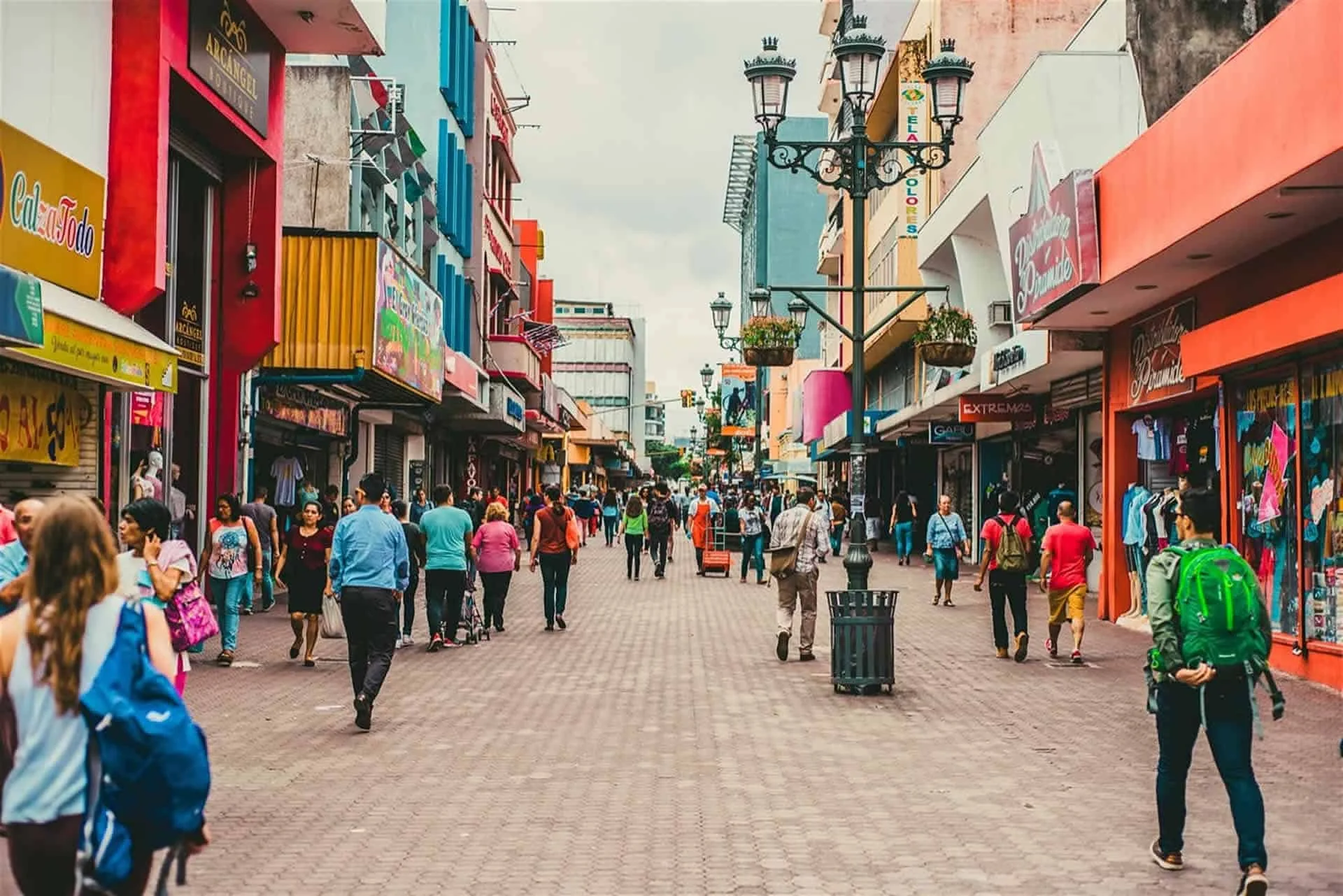
Ciudad Quesada is the kind of Costa Rica town that rarely makes the postcards, and that is exactly its charm. Sitting in the green northern highlands, it is the busy capital of the San Carlos canton in Alajuela province.
Instead of beach resorts you get dairy farms, a working market town and a noticeably lower cost of living. If you want the real country rather than the brochure, it deserves a close look.
Getting to Ciudad Quesada from San José
Start with the drive, because most newcomers land at San José’s airport first. Ciudad Quesada sits about 90 kilometres north of the capital.
By car the trip takes roughly an hour and a half to two hours, depending on traffic and weather. The usual route follows Route 141, climbing through Naranjo and the flower town of Zarcero.
That climb is scenic but winding, so take it slowly if you are new to Costa Rican roads. Regular buses also run the corridor, which helps if you would rather not own a car at first.
The setting and the climate
The town sits at about 650 metres above sea level, high enough to shake off the coastal heat. Temperatures generally sit between 22°C and 26°C (roughly 72°F to 79°F) all year.
In return for that comfort, you accept rain. This is one of the wetter parts of the country, with annual rainfall around 3,271 millimetres.
So expect green hills, afternoon downpours and cool evenings rather than tropical beach weather. Many people find the mild highland climate far easier to live in day to day.
What it costs to rent
Housing is where San Carlos really rewards you. A one-bedroom apartment ranges from about ₡85,000 (US$190) outside the centre to around ₡220,000 (US$490) in town.
A two-bedroom apartment or small house typically lands in the US$500 to US$700 range. For more space, a three-bedroom outside the centre runs near ₡300,000 (US$665).
Prices vary with furnishing, condition and how close you are to the plaza. Because listings move by word of mouth, it pays to visit, ask around and rent short-term before you commit.
Groceries, utilities and everyday spending
Day-to-day costs stay reasonable if you shop like a local. For a couple, groceries usually come to about US$450 to US$600 a month, especially if you use the weekly farmers’ market.
Utilities are gentle in the highlands, since you rarely need air conditioning. Electricity and water together often run US$40 to US$80, and home internet is another US$30 to US$50.
Imported goods and restaurant meals cost more, as they do everywhere in Costa Rica. Still, a modest, mostly local lifestyle here stretches a pension or remote salary comfortably.
Healthcare and the Caja
Costa Rica’s public health system is the CCSS, known to everyone simply as la Caja. Once you hold residency, you enroll and pay a monthly contribution based on an income the Caja assesses.
The 2026 scale runs 7.05%, 9.98%, 13.77%, 16% and 19.11% by income band. A foreign pensioner assessed on the US$1,000 category minimum pays about US$100 a month. The Caja assesses each case, and a higher assessed income moves the payer into a higher band.
The main public hospital for the region is Hospital de San Carlos, right in Ciudad Quesada. Because it is a regional hospital, it handles far more than a small-town clinic would.
Private clinics and specialist care
Plenty of residents mix public and private care, paying out of pocket for speed. In town, Hospital San Carlos Borromeo offers a private option close to home.
For complex procedures or a second opinion, many people drive to Greater San José. There you find the big private hospitals: CIMA in Escazú, Clínica Bíblica and Hospital Metropolitano.
That trip is the trade-off for choosing a quieter town. Even so, everyday medical needs are well covered without ever leaving San Carlos.
Visas and residency basics
Most expats settle in under one of three residency categories. The pensionado route is for retirees and requires a lifetime pension of at least US$1,000 a month.
The rentista option suits those with steady income but no pension. It asks you to show US$2,500 a month, certified as stable and guaranteed for at least two years. A bank deposit of about US$60,000 is only a way of evidencing that income, not a separate route.
If you plan to invest, the bar is unsettled. Article 87 of the Reglamento de Extranjería sets the base at US$200,000, and the US$150,000 window under Ley 9996 closed on 14 July 2026. Files lodged before that date are still resolved at US$150,000. Whether the lower figure survives for new files is an open question the DGME has not answered. In every case, use a local attorney, since the paperwork and timelines change.
The expat community and daily life
Ciudad Quesada is not a packed expat enclave like some beach towns, and that suits many people. There is an established foreign community here, but it stays small and low-key.
As a result, daily life feels genuinely Costa Rican rather than staged for outsiders. You will pick up more Spanish, meet more neighbours and spend far less than in the tourist zones.
The town has supermarkets, banks, a hospital, schools and a lively central market. Meanwhile, the surrounding San Carlos countryside offers hot springs, waterfalls and the road toward La Fortuna and Arenal.
Is Ciudad Quesada right for you?
Be honest with yourself about the rain and the quiet before you move. If you crave nightlife, beaches and a large English-speaking crowd, this may not be your town.
But if you want a cooler climate, low costs and a real community, it delivers. In short, Ciudad Quesada rewards people who value everyday life over a permanent holiday.
The smart approach is to rent for a few months first and test the fit. That way you learn the roads, the weather and the rhythm before signing anything long-term.
Background: our living in merida expat guide guide.
More: Costa Rica news in English, every day from The Rio Times.
Frequently Asked Questions
How far is Ciudad Quesada from San José?
It is about 90 kilometres north of San José. Driving takes roughly an hour and a half to two hours via Route 141 through Naranjo and Zarcero.
How much does it cost to live there?
Rent runs from about US$190 to US$490 for a one-bedroom, and US$500 to US$700 for a two-bedroom. Groceries for a couple are roughly US$450 to US$600 a month.
What are the residency requirements?
The pensionado route needs a US$1,000 monthly pension. The rentista route needs US$2,500 a month certified for two years, with a bank deposit only a way of evidencing it. The investor figure is unsettled: the reglamento says US$200,000, and the US$150,000 window closed on 14 July 2026.
Is the healthcare good?
Yes. Residents use the public CCSS, or Caja, at Hospital de San Carlos.
Connected Coverage
Sources: Numbeo; CityCost; XE; Costa Rica Board; Wikipedia list of hospitals in Costa Rica; UK Government list of medical facilities in Costa Rica.
This article was produced by The Rio Times’ automated newsroom system. How we use AI · Report an error
Read More from The Rio Times