Nosara, Costa Rica: Forbes Top Adventure Spot and How to Move
Key Facts
—Recognition — Forbes named Nosara a top 10 adventure travel destination for 2026 in late December 2025.
—Location — Nosara sits on the Nicoya Peninsula in Guanacaste province, on Costa Rica’s Pacific coast.
—Draw — The area is known for the surf at Playa Guiones, yoga, wildlife and an eco-minded local scene.
—Rent — A two-bedroom near the beach commonly runs from about US$1,500 to US$2,500 or more per month.
—Utilities — Electricity, water and internet together typically add about US$100 to US$200 per month.
—Tourist entry — Many nationalities enter visa-free as tourists for up to 90 days; some, including US citizens, may receive longer.
—Residency — The rentista route asks about US$2,500 a month for 24 months; pensionado asks about US$1,000 a month in pension income.
Nosara, Costa Rica has been named to a Forbes list of the world’s top adventure destinations for 2026, and the recognition is drawing fresh interest from people weighing not just a visit but a move.
Why Forbes highlighted Nosara
In a list published at the start of 2026, Forbes named Nosara among ten adventure travel destinations to consider for the year. The town shares the ranking with places such as the Galápagos Islands, Colombia’s Ciudad Perdida, Norway’s fjords and Bolivia’s Uyuni salt flats, a line-up that leans firmly towards nature and the outdoors.
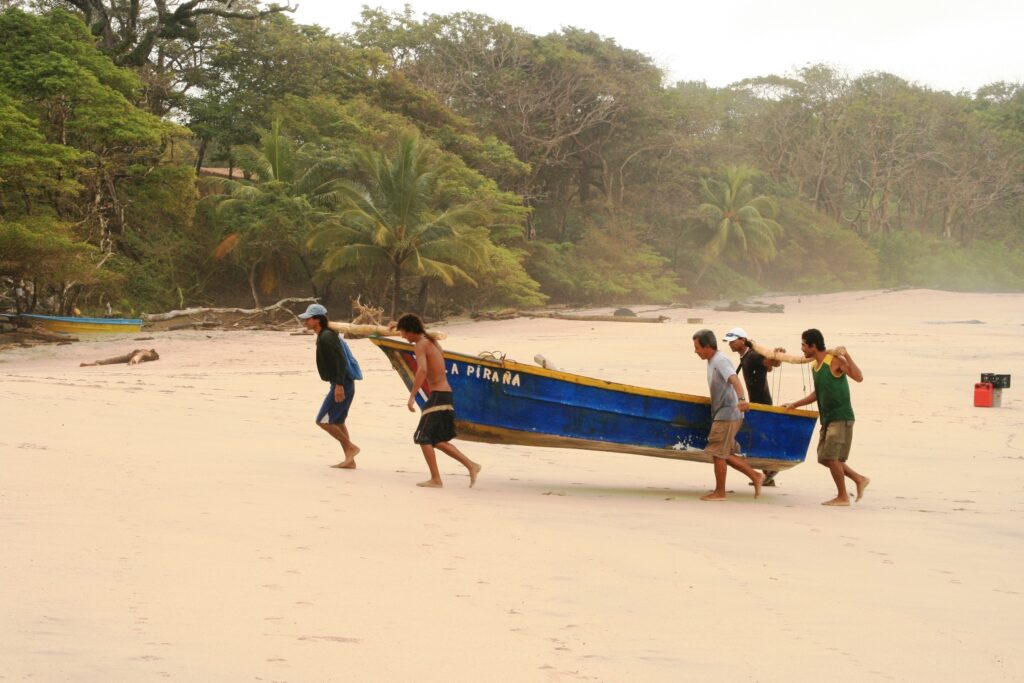
The magazine pointed to Nosara’s quieter corner of Guanacaste, where crowds are thinner than at busier stretches of Costa Rica’s Pacific coast. The surf at Playa Guiones, gentle enough for beginners yet consistent enough for experienced riders, sits at the centre of its appeal.
Just as important to the citation is the town’s environmental character. Local businesses lean on sustainable practices, from eco-focused lodging to reef protection and waste-reduction efforts, and pair the surf with yoga, wildlife watching and a wellness scene that has grown up around the beaches.
For a place that has built its reputation as a surf and wellness hub, the Forbes nod is the kind of recognition that tends to lift visitor numbers. It also sharpens the interest of foreigners who move from thinking about a holiday to weighing a longer stay, which is where the practical questions begin.
The town and its surroundings
Nosara sits on the Nicoya Peninsula in Guanacaste province, on Costa Rica’s northern Pacific coast. It is less a single resort than a scattering of neighbourhoods behind a run of beaches, with Playa Guiones and Playa Pelada among the best known, connected by roads that are largely unpaved.
The wider peninsula is often cited as one of the world’s so-called Blue Zones, an area studied for the longevity of its residents, and the surrounding coast includes protected areas important for nesting sea turtles. That blend of wildlife, wellness and surf is much of what draws visitors and settlers alike.
Life in Nosara follows the seasons. A dry season and a green, wetter season shape everything from road conditions to the size of the crowds, and the town swells during the peak surf months before quietening again. Newcomers quickly learn to plan around that rhythm.
Getting there takes effort, which is part of the draw. The nearest large airport is a few hours away by road, and the final stretch into town is unpaved, so the journey filters out casual day-trippers. For residents, that distance means stocking up on supplies and planning trips to larger towns for goods the local shops do not carry.
The cost of living, in numbers
Nosara is not a budget destination by Costa Rican standards. Pacific coastal towns typically run well above the Central Valley, and Nosara sits at the pricier end even among them, a reflection of demand from tourists, second-home owners and a steady flow of foreign residents.
Rent is the largest variable. A two-bedroom home within reach of the beach commonly ranges from about US$1,500 to US$2,500 a month, and standout properties climb higher still. Moving inland, away from the water, lowers the figure noticeably, and longer leases tend to secure better rates than short-term holiday lets.
Utilities are more predictable. Electricity, water and rubbish collection for a typical home tend to land around US$100 a month, though air conditioning pushes bills up sharply in the heat. Internet usually adds roughly US$30 to US$50, and connection quality varies from one neighbourhood to the next.
Taken together, many foreigners budget somewhere between US$2,500 and US$4,000 a month for a comfortable life in a beach town like Nosara, before one-off costs such as a vehicle or import duties. Actual spending varies widely with lifestyle, and imported goods in particular can cost more than newcomers expect.
Entering Costa Rica as a visitor
Most people arrive first as tourists. Citizens of many countries, including the United States, Canada, the United Kingdom and the European Union, may enter without a visa for tourism, with the length of stay set by immigration on arrival rather than fixed in advance.
Tourist stays have commonly been granted for up to 90 days, though the exact period depends on nationality and the officer, and some travellers, including US citizens, have received longer under recent practice. Proof of onward travel and of sufficient funds can be requested at the border.
Some foreigners live in Costa Rica on repeated tourist entries, a practice sometimes called a border run, leaving and re-entering to reset the clock. It carries no right to remain and no path to work legally, and for anyone planning to settle, formal residency is the proper route.
Anyone planning to stay should also think about money before arriving. Immigration and banks both look closely at proof of funds and income, and opening a local account is easier with residency in hand. Setting up finances early tends to smooth the later steps, from signing a lease to meeting the thresholds each residency category demands.
The rentista and pensionado routes
Two residency categories are popular with relocating foreigners. The rentista is aimed at people with stable unearned income, while the pensionado is designed for retirees drawing a pension. Both lead, over time, to the right to live in the country, with conditions attached.
The rentista route asks applicants to show guaranteed income of about US$2,500 a month for at least two years, often evidenced through a bank arrangement, with a lump-sum deposit of around US$60,000 an alternative in some structures. The category can cover a spouse and dependent family members.
The pensionado route sets a lower bar of about US$1,000 a month, but the income must come from a qualifying pension, such as a government or company retirement plan or social security. Both categories carry obligations on time spent in the country and on converting income locally.
Neither route is instant. Applications involve authenticated documents, official translations and a wait measured in months, so most people begin the process well before they intend to settle. Using a reputable local lawyer or relocation service is common, given the paperwork involved.
What a move actually involves
Beyond paperwork, relocating to a small Pacific town brings practical trade-offs. Nosara’s roads are largely unpaved, the seasons dictate daily life, and services that city dwellers take for granted may be further away or less consistent than expected.
Healthcare is a frequent question. Legal residents can join the public Caja system and pay income-based contributions, while private clinics and hospitals are available, though the nearest major facilities may be a drive from the coast. Many residents carry private cover as well.
Housing is worth testing before committing. Many arrivals rent for a season before signing a longer lease or buying, using the time to judge neighbourhoods, connectivity and the rhythm of a town that fills up in the surf season. None of this dims the appeal that put Nosara on the Forbes list, but the gap between a two-week holiday and a permanent move is real.
For those who make the leap, the appeal tends to be less about ticking off a ranking than about the daily texture of life by the water. Mornings in the surf, an unhurried pace and a close community are what long-term residents describe as the real reward, set against the trade-offs in convenience that come with a remote coast.
Key Facts
—Rent. Two-bed near the beach: about US$1,500 to US$2,500+ a month.
—Utilities. Electricity, water and rubbish: around US$100 a month.
—Internet. Roughly US$30 to US$50 a month.
—Rentista. About US$2,500 monthly income for 24 months, or a large qualifying deposit.
—Pensionado. About US$1,000 a month from a qualifying pension.
— Figures are indicative 2026 ranges drawn from cost-of-living and immigration sources; confirm current rules with Costa Rican authorities.
This is reporting; confirm details with official sources before acting.
More: Costa Rica news in English, every day from The Rio Times.
Frequently Asked Questions
Why is Nosara in the news?
Forbes named it one of ten top adventure travel destinations for 2026 in a list published in late December 2025.
How much does it cost to live in Nosara?
Many foreigners budget about US$2,500 to US$4,000 a month, with beachside two-bedroom rents often US$1,500 to US$2,500 or more.
How long can I stay as a tourist?
Many nationalities enter visa-free for up to 90 days, with the exact period set on arrival; some travellers receive longer.
What income do I need for residency?
The rentista route asks about US$2,500 a month for two years; the pensionado route asks about US$1,000 a month in pension income.
Is Nosara suitable for remote workers?
Many remote workers live there, but internet reliability varies by area, so testing a connection before signing a lease is sensible.
Related reading
- Costa Rica’s residency routes explained
- The best surf towns on the Nicoya Peninsula
- Cost of living across Central America in 2026
Connected Coverage
Sources: Forbes.
This article was produced by The Rio Times’ automated newsroom system. How we use AI · Report an error
Read More from The Rio Times