
REPUBLIC OF CONGO · TRAVEL
Key Facts
- The country Central African republic whose capital, Brazzaville, faces Kinshasa, capital of the Democratic Republic of Congo, across the river.
- Why it matters Ebola in the neighboring Democratic Republic of Congo now shapes US boarding rules for flights from every country.
- Why now A US health order published on 30 October takes effect at 11:59 p.m. Eastern on 3 November.
- What happened Anyone boarding a US-bound flight must attest to no time in DR Congo during the past 21 days.
- What it means for you Anyone who crossed from Brazzaville to Kinshasa cannot board a US-bound flight until day 22.
From 11:59 p.m. Eastern Standard Time on Tuesday 3 November 2026, everyone boarding a flight to the United States from any foreign country, including the Republic of the Congo, must sign a statement that they were not in the Democratic Republic of Congo during the previous 21 days. The Centers for Disease Control and Prevention (CDC), the US public health agency, published the amended order in the Federal Register, the government’s daily record of rules, on Friday 30 October 2026.
The Republic of the Congo, also called Congo-Brazzaville, is a separate country, but its capital Brazzaville faces Kinshasa across the Congo River, and the order counts any physical presence in the neighboring country. It names only the Democratic Republic of Congo, so a traveler in Brazzaville who was never there can sign truthfully and board.
In Plain English
An attestation is a signed statement, on paper or on a phone, that a traveler hands the airline before boarding. Bundibugyo virus is a rare species of Ebola, and the order states that no widely approved vaccine or specific antiviral treatment exists for it.
The 21 days follow the incubation period, which the order puts at typically 2 to 21 days. Contact tracing is the work of finding and monitoring people who met a sick person.
What the Order Requires
The amended order bars an airline from boarding any person on an aircraft bound for the United States from a foreign country unless that person presents a signed attestation, on paper or in digital form. It covers passengers and crew, cargo flights and flights that connect through the United States to another country, but not overflights that never land or people to whom CDC grants a humanitarian exemption, such as emergency medical evacuations.
Presence in the Democratic Republic of Congo means any physical presence by air, land or sea, and it includes connecting through a Congolese airport without leaving the plane. Day 0 is the day a person left the country, and the earliest day to board is day 22, so a traveler who leaves Kinshasa on Tuesday 3 November may board from Wednesday 25 November 2026.
A parent or other authorized representative may sign for a person under 18, and airlines must keep each form for at least 42 days. Anyone who gives false or misleading information may face denial of boarding, now or on future travel, and willful lies can be prosecuted under 18 U.S.C. 1001.
Why Congo-Brazzaville Is in the Frame
The outbreak of Bundibugyo virus disease in the Democratic Republic of Congo was declared on 15 May 2026, and the World Health Organization (WHO) director-general determined that it is a public health emergency of international concern. The order reports 9,455 confirmed cases and 4,561 deaths as of Sunday 18 October 2026, and the CDC’s situation page counts 10,193 confirmed cases in the country as of Tuesday 27 October.
The order says the outbreak “continues to escalate in intensity” and is centered in Ituri Province in the east, with cases also in seven other provinces. It does not name the Republic of the Congo, and the CDC says a measure aimed at recent presence in the Democratic Republic of Congo fits the risk because that country is the epicenter.
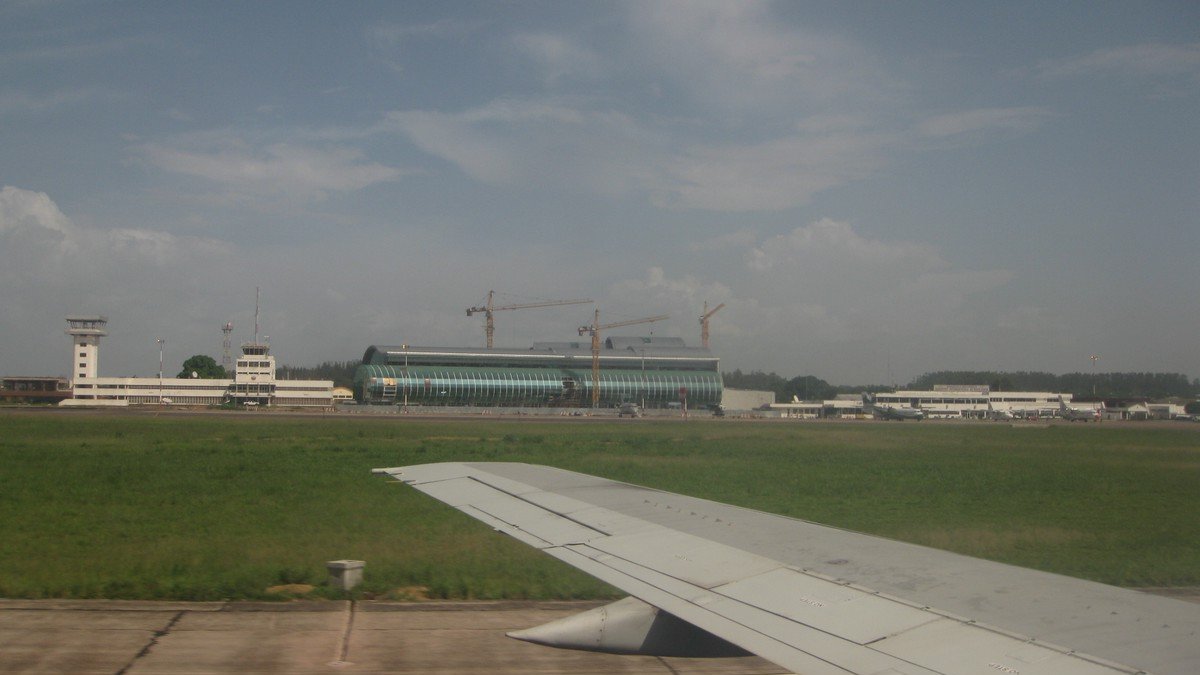
The US Embassy in Brazzaville warned on Wednesday 29 July 2026 that anyone who had been in the Democratic Republic of Congo within 21 days of a flight would not be allowed to board a commercial flight to the United States. The new order adds a signed form for every traveler on a US-bound flight, whatever the departure city, alongside the earlier restrictions.
The State Department advises Americans to exercise increased caution in the Republic of the Congo because of crime. Its country page says a visa must be obtained in advance and a passport must be valid for at least six months.
What It Means for You
An American working in Brazzaville who took a day trip to Kinshasa cannot truthfully sign the form until day 22 after leaving, and airlines will not board anyone without it. Travelers who stayed in the Republic of the Congo can sign the form, but they should ask their airline how it will collect it before the order starts at 5:59 a.m. in Brazzaville on Wednesday 4 November.
Travelers who connect through Kinshasa count as present in the Democratic Republic of Congo even if they never leave the aircraft. Those caught out can contact the US Embassy in Brazzaville, which advises people to ask it about financial assistance for changing flights or for temporary lodging in a third country.
Related coverage of Ebola entry rules for travelers from South Sudan and of the response in Nigeria, Cameroon and Madagascar shows how the outbreak is changing travel. A guide to the Republic of the Congo and the wider Africa coverage give background.
What Is Not Known
The order runs to 11:59 p.m. Eastern Standard Time on Friday 18 December 2026, a window of 45 days, and the CDC may amend or rescind it earlier. Any extension will depend on case counts, geographic spread, community transmission and containment capacity.
The notice does not say how each airline will collect the form or at which boarding a connecting trip needs one. It names no case in the Republic of the Congo, but it says only about 20% of cases were found through follow-up of listed contacts.
Frequently Asked Questions
Do I need to sign an Ebola form to fly from Brazzaville to the US?
Yes, for flights departing at or after 11:59 p.m. Eastern Standard Time on 3 November 2026. Every person boarding a US-bound flight from a foreign country must present the signed attestation, unless CDC has granted an exemption.
Is the Republic of the Congo covered by the order?
The order names only the Democratic Republic of Congo as the place a traveler must not have been. Brazzaville departures are covered only because the form applies to every foreign departure.
How long must I wait after visiting Kinshasa before flying to the US?
The wait is 21 calendar days, and day 0 is the day you left the Democratic Republic of Congo. You may board a US-bound flight on day 22.
What happens if I sign a false statement?
You may face a delay of travel, denial of boarding or denial of boarding on future travel. The Justice Department may also prosecute willful false statements under 18 U.S.C. 1001.
Sources: Federal Register, Amended Order, 91 FR 68518, 30 October 2026; Centers for Disease Control and Prevention, attestation order page; CDC Ebola situation summary, updated 29 October 2026; US Embassy Brazzaville, health alert of 29 July 2026; US State Department, Republic of the Congo country page; World Health Organization Africa office, Ebola outbreak page.
This article was produced by The Rio Times’ automated newsroom system. How we use AI · Report an error · Editorial responsibility: Matthias Camenzind, Editor-in-Chief