Honduras Declares Three Gangs Terrorist Groups but Keeps Their Names Secret
Key Facts
Honduras has declared three criminal groups terrorist organisations but will not say which ones. Tomás Zambrano, president of the National Congress, announced the decision of the National Defence and Security Council on Saturday 19 September.
The declaration rests on Decree 84-2026, a penal code reform published in the official gazette on 22 May 2026. That reform, signed by President Nasry Asfura, made maras and pandillas terrorist associations under Honduran law.
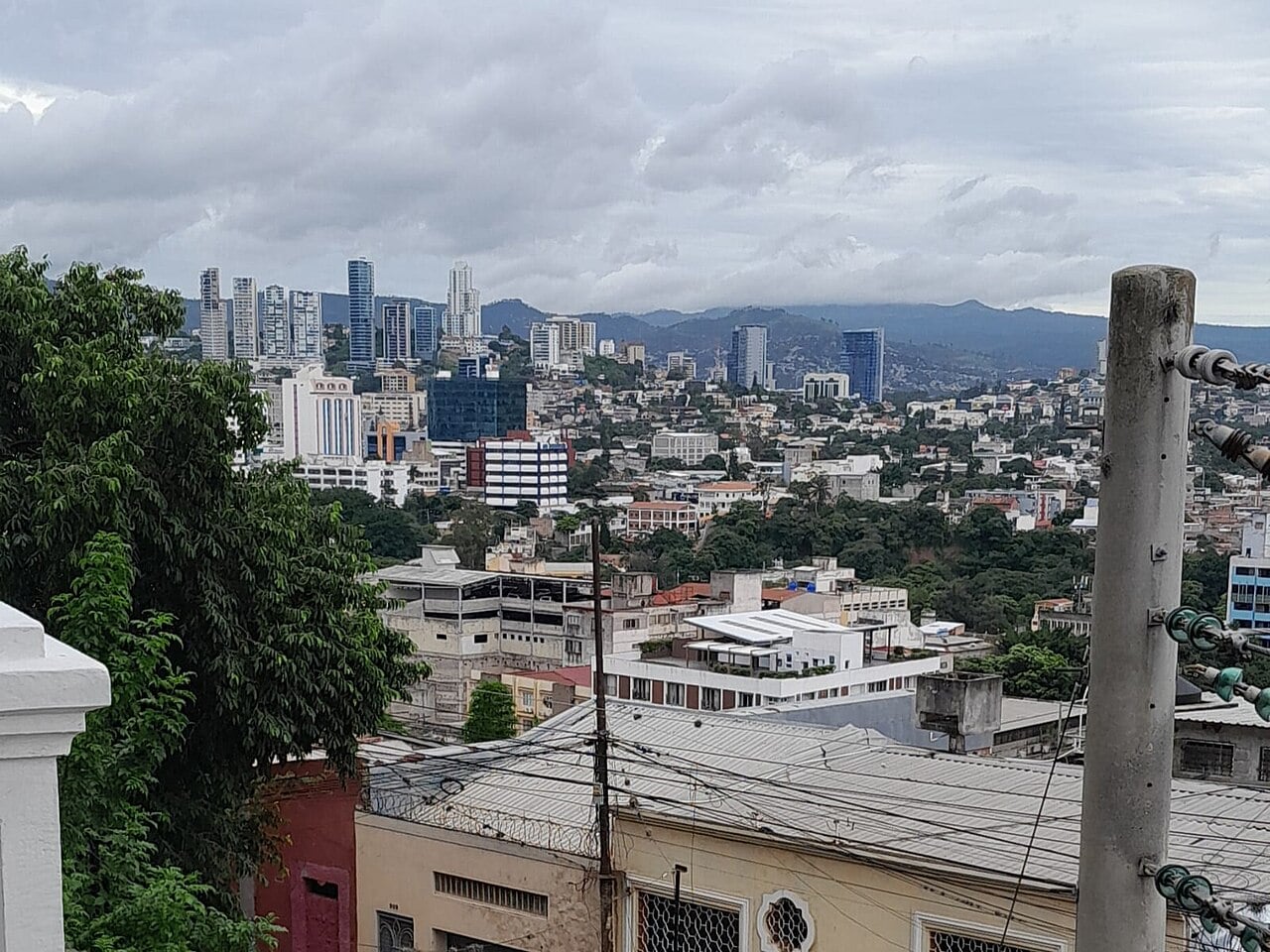
Three Groups Declared Without Public Names
The council, known by its Spanish initials CNDS, brings together the president, security ministers and prosecutors. It approved the declaration at the presidential palace on the night of Friday 18 September, El Heraldo reported.
Zambrano, who also sits on the council, confirmed the decision to reporters the following day in El Progreso, Yoro department. He said the names would not be released because publication could affect operations against the groups.
“We will not give their names because after that decision they will take different actions,” he said, according to La Prensa, a Honduran daily. The three groups were described only as criminal organizations with reach beyond Honduras into other Central American countries.
No official list has been published as of Sunday 20 September. The government has not said when, or whether, it will publish the names of the three declared groups.
The May Reform That Made This Possible
Decree 84-2026 amended article 587 of the Honduran penal code, which defines terrorist association. The reform was approved by Congress and signed by Asfura.
It extended the definition to cover groups that use systematic violence, collective intimidation, territorial control or coercion against the population. The text also covers organizations linked to drug trafficking, kidnapping and other criminal networks that seek to spread fear or pressure the state.
Maras and pandillas fall inside that definition, according to the government news service TNH. The reform raised penalties for extortion, organized crime and the financing of criminal structures.
Leaders, promoters and financiers face 15 to 20 years in prison and fines of thousands of days’ wages. Active members face 10 to 15 years.
Life Sentences When Victims Die
Under the reform, courts can impose life imprisonment when victims die as a result of these crimes, TNH reported. It is one of the toughest sentencing changes in Honduras in years.
Military Patrols and Maximum-Security Prisons
The declaration is part of a broader security strategy announced by Asfura’s government. It includes more soldiers and police in high-risk areas and new specialized mechanisms to prosecute members of the declared groups.
The plan also calls for maximum-security prisons, according to Infobae Honduras. Zambrano ruled out a state of exception, saying the government would act against criminal structures within ordinary legal rules.
Honduran outlets also reported that a new director of the National Anti-Crime Agency would be named. No arrests or operations tied to the declaration had been announced by Sunday.
Are MS-13 and Barrio 18 Among Them?
MS-13, also called Mara Salvatrucha, and Barrio 18 are the two best-known gangs in Honduras. The United States designated both as foreign terrorist organisations in 2025.
International coverage, including DW’s, cited both gangs as background to the Honduran announcement. No report has confirmed that either is among the three groups the council declared.
Zambrano described the three only as criminal organisations with branches elsewhere in Central America, DW reported. That description would fit several of the region’s larger networks.
How Honduras Compares With El Salvador
El Salvador took a different route. In August 2015 its Supreme Court’s constitutional chamber declared MS-13 and Barrio 18 terrorist groups under the country’s anti-terrorism law.
Honduras weighed a similar step as early as 2017, InSight Crime reported at the time. It has now done so by statute, with the executive choosing which groups the label covers.
President Nayib Bukele’s El Salvador later went much further, with a state of exception in force since 2022 and mass detentions. Zambrano explicitly ruled out that model for now.
Concerns About How Far the Law Reaches
Jurists and human rights defenders warned in May that the broadened terrorism definition could be applied too widely. Criterio.hn reported their concern that it could be used against protest movements and social organizations.
The reform’s language includes concepts such as social dominance, territorial presence and collective submission. Critics say those terms are vague and could cover conduct far from organized crime.
No court has yet ruled on how the new definition applies in practice. Keeping the names of the declared groups secret will make that scrutiny harder.
Frequently Asked Questions
Did Honduras name MS-13 and Barrio 18 as terrorist groups?
No. The government declared three criminal groups terrorist but kept their names confidential, and no report confirms which gangs they are. The United States designated MS-13 and Barrio 18 as terrorist groups in 2025.
What law did Honduras use for this declaration?
The declaration rests on Decree 84-2026, a penal code reform published in the official gazette on 22 May 2026. It amended article 587 to classify maras and pandillas as terrorist associations.
Who announced the decision?
Tomás Zambrano, president of Honduras’ National Congress, announced it on Saturday 19 September 2026. The National Defence and Security Council, which includes President Nasry Asfura, approved it the night before.
What penalties do the declared groups face?
Leaders, promoters and financiers face 15 to 20 years in prison and heavy fines. Active members face 10 to 15 years, and life imprisonment is possible when victims die.
Why are the group names secret?
Zambrano said publishing the names could affect operations against the groups. He ruled out a state of exception, saying the government would act within ordinary legal rules.
Sources: Infobae Honduras, 19 September 2026, DW en español, 19 September 2026, TNH, government news service, 24 May 2026, Criterio.hn, 21 May 2026, La Prensa Honduras, 19 September 2026, O Povo, 19 September 2026, Insight Crime, 28 March 2017
This article was produced by The Rio Times’ automated newsroom system. How we use AI · Report an error
Read More from The Rio Times