Faye Government Faces Moody’s Caa2 Downgrade as Senegal’s Oil Cash Meets Hidden Debt
Economy · Senegal
Key Facts
- —The stakes Senegal must turn oil and gas windfall into fiscal credibility before investors lose patience with debt.
- —The date September 2026 marks two years since first oil at Sangomar and a reckoning over hidden debts.
- —The tension Faye government promises no new external debt while funding an 18.49 trillion CFA franc plan.
- —The trigger Moody’s has cut Senegal three times since 2024 and now rates it Caa2, raising borrowing costs as Dakar renegotiates oil and mining contracts.
- —The catch Senegal’s gas revenue share is only 10 percent of Petrosen’s entitlement, net of costs.
Senegal’s economic story in September 2026 is no longer about discovering hydrocarbons. It is about whether the state can keep them from becoming another debt trap.
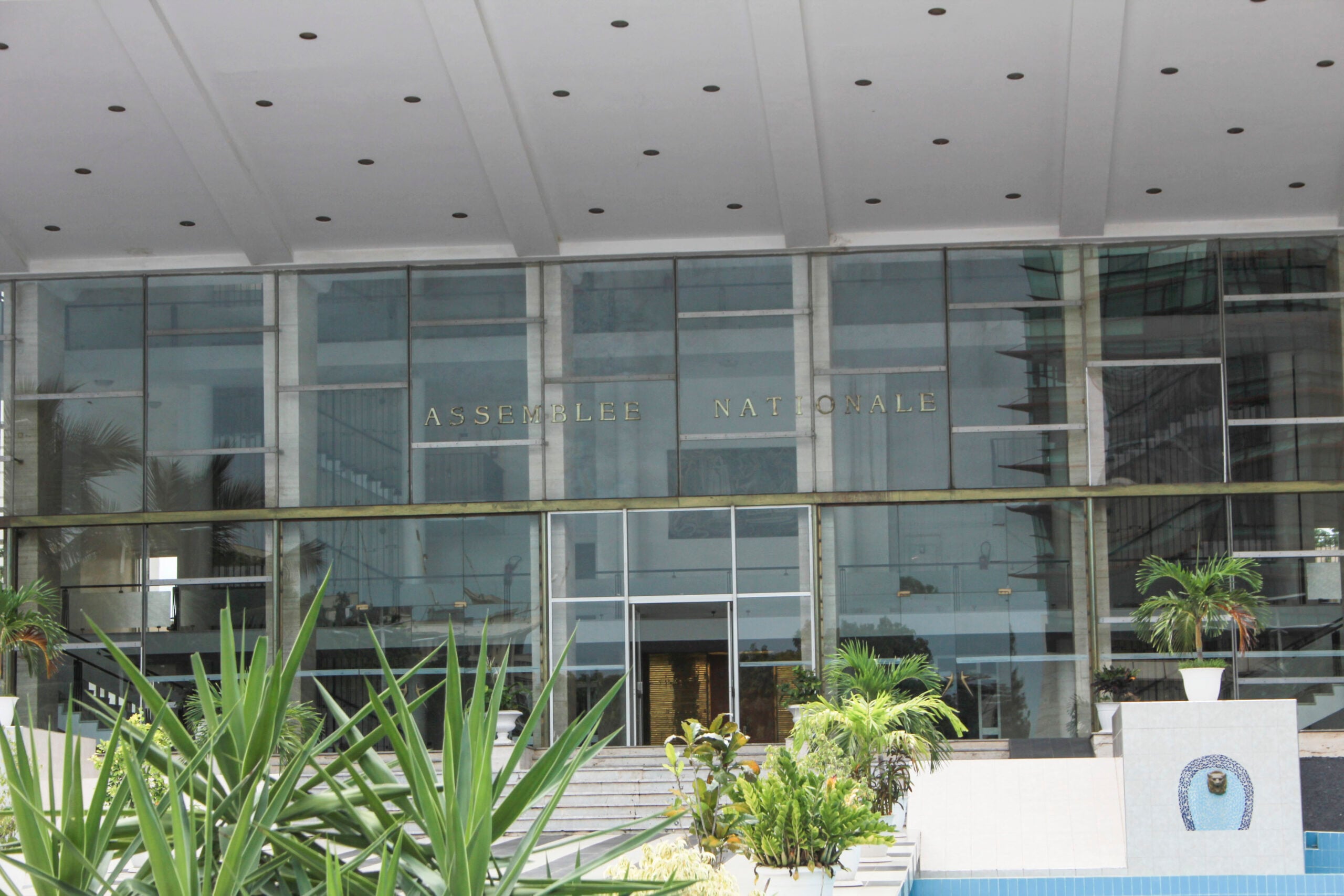
A Sovereign, Just and Prosperous Plan
President Bassirou Diomaye Faye launched Senegal 2050, officially the National Transformation Agenda, on 7 October 2024. The strategy lays out a 25-year horizon for making Senegal a sovereign, just and prosperous nation.
Core priorities include good governance, economic sovereignty and sustainable resource management. Implementation is organised around eight regional hubs, targeting economic growth of 6 to 7 percent a year.
The agenda also includes deficit and debt reduction goals, now under pressure from rising borrowing costs and old liabilities. A five-year action plan for 2025-2029 is the first operational phase, replacing the Emerging Senegal Plan of former president Macky Sall.
The 18.49 Trillion Franc Bet
The 2025-2029 action plan is estimated to require 18,493.83 billion CFA francs, about US$30.8 billion. The public sector is meant to supply 62.3 percent of that.
The private sector would contribute 14.1 percent of the total. Public-private partnerships, or PPPs, are expected to cover the remaining 23.6 percent.
Dakar targets 7 percent growth by 2029. It also wants to cut the deficit from 12.6% of GDP in 2024 to 5.4% in 2026, then 3% by 2027.
Public debt stood near 119% of GDP at the end of 2024. Moody’s expects it to stay close to 100% of GDP through 2028.
That deficit target looks ambitious after a sharp fiscal deterioration. Independent analysts at S&P forecast a higher 2026 deficit of about 8.1% of GDP, well above the government’s own goal.
The government has tried to signal digital momentum. A Technological New Deal was launched at the end of March 2026 to accelerate administrative and economic digitalisation.
Sonko’s Domestic-First Recovery Plan
Prime Minister Ousmane Sonko unveiled the Economic and Social Recovery Plan, or PRES, in August 2025. It runs from 2025 to 2028, with planned financing of 5,667 billion CFA francs.
Almost 90 percent of that is meant to come from domestic resources: extra tax revenue, asset sales and non-debt instruments. On 1 August 2025, Sonko pledged to avoid new external debt.
He pointed to more than 4.4 trillion CFA francs, roughly US$8.16 billion, in resources he said were already accessible.
Taxes, Visas and Telecom Fees
The recovery plan leans on new fiscal measures, including higher tobacco taxes and new visa fees for some foreign travellers. Telecom licence renewals should yield 200 billion CFA francs.
Oil and mining contract talks are meant to add a further 884 billion CFA francs by 2028.
These measures show a government trying to raise money without new foreign borrowing. Whether the sums are realistic is still an open question.
Oil Money Starts Flowing
Senegal’s first major oil project, the Sangomar offshore field, began production by June 2024. By mid-August 2026, cumulative state revenue had passed 500 billion CFA francs, and the project had created about 6,000 jobs.
That is a real but still modest dividend next to the investment plan. The 2026 public investment budget alone exceeds 561 billion CFA francs, more than US$1 billion.
It covers health, education, water, energy, digital and housing.
Gas: A Smaller Slice Than Expected
The Greater Tortue Ahmeyim, or GTA, gas project is shared with Mauritania. BP operates it with a 56 percent stake, and Kosmos Energy holds about 27 percent.
National oil companies, including Senegal’s Petrosen, hold the rest.
Senegal’s revenue share is only 10 percent of Petrosen’s entitlement, net of costs. That leaves Dakar’s fiscal take small next to total project cash flows.
Contract renegotiation, part of the plan above, is meant to improve this. But the GTA case shows why renegotiation is politically sensitive.
The Moody’s Downgrade
Moody’s has cut Senegal’s rating three times since the Faye government took office. It went from Ba3 to B1 in October 2024, then to Caa1 in October 2025, and to Caa2 on 28 August 2026.
Caa2 is deep speculative grade, meaning very high credit risk. Moody’s cited rising refinancing pressure and gross financing needs of about 25% of GDP in 2026.
Interest payments have jumped to 23.7% of government revenue, up from 16.1% in 2023. Moody’s expects debt to stay near 100% of GDP through 2028 and kept a negative outlook, meaning a further cut is possible.
Each downgrade raises Senegal’s borrowing costs and complicates its plan to avoid new external debt. Investors now demand much higher yields for Senegalese bonds than in 2024.
Hidden Debt and Audit Fallout
Reuters reported in June 2026 on Senegal’s hidden debt crisis. Undisclosed liabilities have raised questions about the true state of public finances.
The audit fallout has become a major political issue for the Faye government. It complicates negotiations with creditors and international partners.
Hidden debt undermines the credibility of official deficit figures, which matters given the government’s 3 percent deficit target for 2027. IMF talks are now partly about establishing a reliable baseline before any new programme can be designed.
IMF Talks and Fiscal Credibility
The IMF suspended its US$1.8 billion loan programme for Senegal after the hidden debt was discovered. Talks on a new arrangement continue but remain stalled as of late 2025 reporting.
One sticking point is reported to be debt restructuring: the IMF wants it discussed, and Dakar has so far resisted. A new, credible IMF programme could unlock cheaper financing and reassure investors, but only with transparent accounting.
The PRES plan’s reliance on domestic resources fits an IMF-friendly narrative of self-reliance. The missing piece is whether fiscal targets are achievable.
The repeated downgrades and audit fallout have increased the urgency of reaching an agreement. Without external validation, Senegal’s domestic-first strategy may struggle to attract private capital.
Purchasing Power and Social Pressure
Price reduction measures for basic goods saved households about 342.5 billion CFA francs in 2025, per government figures, and continue in 2026. Supporting living costs matters politically, but limits how much the state can raise from consumption taxes.
Agricultural plans for 2026 include irrigation on 15,000 hectares and new agro-industrial parks worth 91 billion CFA francs. These measures aim to boost food supply and industry, but they also use money that might otherwise go toward debt reduction.
What This Means Going Forward
Senegal offers a rare African hydrocarbon story with production already under way, though Sangomar revenue is real but not yet transformative. The main risk is fiscal: three downgrades, hidden liabilities and stalled IMF talks make the credit outlook fragile.
Contract renegotiation could raise state revenue, but it may also deter future oil and gas investment. Domestic-first financing keeps external debt from rising further, but it can strain local banks and public services.
President Faye and Prime Minister Sonko are trying to balance the long-term 2050 plan with an immediate fiscal crisis. Sonko’s no-new-debt pledge is popular, but it also limits how much the government can cushion shocks.
Three things will shape Senegal’s path ahead: the 2027 deficit target, the IMF talks, and how oil revenue is spent.
The Big Picture
More from the Senegal section
Latest developments
- Benin Plans 14.7% Budget Rise to US$8.1 Billion — 10 October 2026
- Ghana Declares Yellow Fever Outbreak After 3 Deaths — 10 October 2026
- JPMorgan Plans Nigeria Merchant Bank by December — 10 October 2026
- Abuja Afrojazz Festival Opens 16 November — 9 October 2026
This article was produced by The Rio Times’ automated newsroom system. How we use AI · Report an error · Editorial responsibility: Matthias Camenzind, Editor-in-Chief
Expat Guide to Senegal
What The Rio Times publishes for foreigners who live in or move to Senegal.
Start here
- Opening a Bank Account in Senegal as a Foreigner: CFA Francs, Documents and Options
- Taxes in Senegal for Expats: Rates, Residency and What Foreigners Pay
- Healthcare in Senegal for Expats 2026 — Costs, Clinics and Insurance
- Senegal Residency Visa 2026 — Entry, Cards, Work, Citizenship
Understand Senegal