Healthcare in Guatemala for Expats: The Real Map
Guides · Guatemala
—The stakes. Expats rely on Guatemala City’s private hospitals because the public Ministry of Health and IGSS systems remain crowded, slower, and not built around foreign patients.
—The divide. A sharp split separates under-resourced public facilities from the private clinics, hospitals, and pharmacies that expats and paying residents actually use.
—The geography. Antigua and Lake Atitlán can handle routine care, but serious trauma, advanced surgery, or ICU needs are routed to Guatemala City first.
—The insurance gap. Local public coverage is limited, so international health insurance with medical evacuation is widely recommended rather than optional for expats.
—The retirement rule. Out-of-pocket payment works for routine visits, while hospitalization, surgery, and cross-border transport are the financial risks that justify coverage.
The public-private split in Guatemalan healthcare is not an abstract policy debate; it is the practical reality that decides where an expat receives care and how quickly. Private care functions in the capital and in select hubs, while the public system remains a safety net that most foreigners never use.
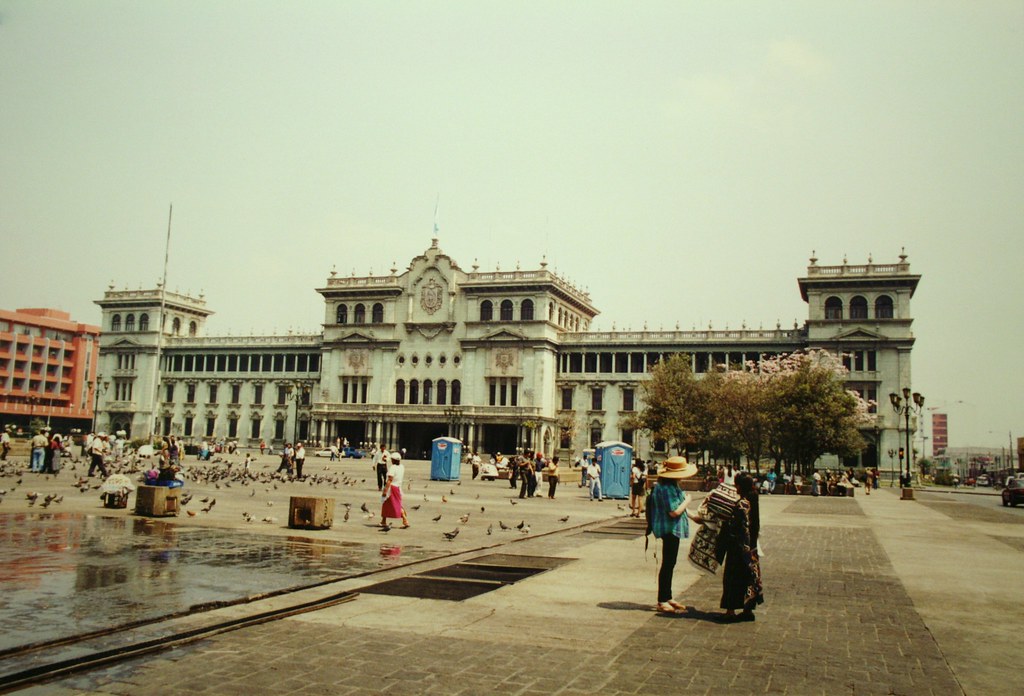
The Public-Private Divide That Defines Expat Care
Guatemala’s healthcare system has two public pillars: the Ministry of Health network and the social security system known as IGSS, or Instituto Guatemalteco de Seguridad Social. The Ministry of Health operates the broader public infrastructure, while IGSS covers formally employed workers and their dependents.
Both public systems are described in published expat surveys as under-resourced, crowded, and slower than the private sector. Expats generally avoid them because they are not designed around foreign patients and can involve long waits. The practical consequence is that paying residents and foreigners cluster in private clinics and hospitals, especially in Guatemala City.
Private Hospitals in Guatemala City That Expat Referrals Name
Hospital Herrera Llerandi is repeatedly identified as one of the best-known private hospitals used by expats and is located in zone 10. Hospital El Pilar is also cited as a major private hospital in Guatemala City for expats and residents.
Centro Médico and Las Américas are two other private reference hospitals repeatedly cited in the material. These facilities form the core of the capital’s private hospital landscape and are where most serious domestic referrals end up.
The Evacuation Route for Serious and Specialised Cases
For major trauma, advanced surgery, cardiac care, complex diagnostics, or ICU-level treatment, provincial patients are usually moved to Guatemala City first. From the capital, the most serious or highly specialised cases are sometimes sent abroad.
The commonly mentioned outside options are Mexico, Costa Rica, and the United States, especially Miami or Houston. Medical evacuation is treated as a key planning item because transport cost and complexity can exceed routine healthcare budgets by a wide margin. Antigua residents, lake-area residents, and rural expats all face the same upward referral chain during a true emergency.
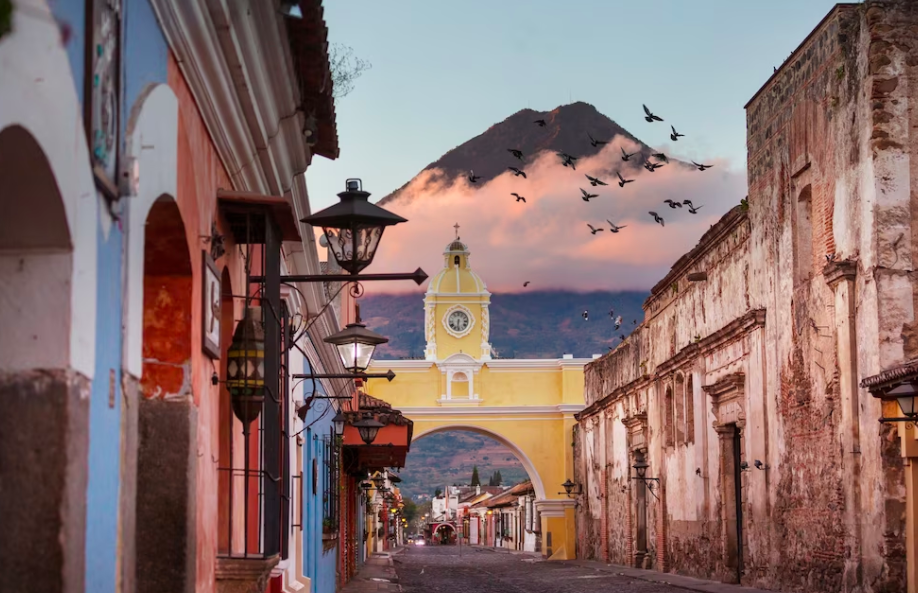
Insurance, Evacuation, and the Cost Drivers That Matter
Travel insurance is not mandatory to enter Guatemala, but evacuation coverage is widely recommended for visitors and expats. International health insurance is the standard recommendation because local public coverage is limited and many local plans do not include evacuation.
Premium costs vary by age, destination, coverage limits, deductibles, and whether evacuation is included, but no universal exact prices should be cited. A commonly cited benchmark is emergency medical coverage around US$100,000 and evacuation coverage around US$250,000 for travel-style plans. For retirees living outside Guatemala City, medical evacuation coverage is described as the non-negotiable item.
Healthcare Reality Outside the Capital: Antigua and Lake Atitlán
Antigua has functioning private care for routine and intermediate needs, but serious cases are still routed to Guatemala City. Hospital Privado Hermano Pedro in Antigua is repeatedly cited as the main private hospital option for that area.
Lake Atitlán has basic local care, including clinics and small hospitals around Panajachel and Santiago Atitlán. There is no major tertiary hospital on the lake itself, according to the available official sources. For Lake Atitlán residents, serious illness or injury generally means transfer to Guatemala City.
What Private Care Costs, and Why No Tariff Is Published
Guatemala has no published national tariff for private consultations. Figures circulating in relocation guides are individual reports rather than surveys, and they vary by a factor of three for the same described service.
The structural facts are more useful than any single number. Private care in Guatemala City is paid directly at the point of service in most cases, with insurance reimbursement afterwards rather than a settled account. Specialists price independently of the hospital they admit to. Antigua sits materially below the capital for routine consultations, and Lake Atitlán has no specialist tier at all.
The one number worth planning around is not a consultation fee. It is the cost of the evacuation that a serious case will require, and that belongs in an insurance policy rather than a budget line.
None of the private hospitals named above is confirmed to hold Joint Commission International accreditation or an equivalent international certification. Guides that describe Guatemalan private hospitals as internationally accredited are asserting something this publication could not verify.
Pharmacy Practice and Medication Availability
Pharmacies are widely available in Guatemala, and private care commonly uses prescriptions that patients fill separately at a farmacia. Major chains mentioned in the material include Galeno and Meykos, with 24-hour delivery in Guatemala City.
Medication is often inexpensive by North American standards, but quality and supply can vary. Buyers are advised to use established chains rather than informal outlets. Some sources note that antibiotics and other common medicines can be obtained relatively easily, though no universal legal standard for over-the-counter sales is established in the material.

Vaccination and Tropical Disease Considerations
No exact vaccine recommendations should be treated as verified from this material alone. The regional health-risk context for expats includes mosquito-borne and tropical disease precautions. Any precise disease statistics would require a public-health source specific to Guatemala.
Dental Care Quality and Prices
Dental care is generally available privately and is often much cheaper than in North America. One source lists a private-sector estimate of roughly US$13-US$52 for a dental check-up in Guatemala.
Dental quality is described as acceptable to good in private urban clinics. That assessment comes from published expat surveys rather than a formal national benchmark. No authoritative nationwide price schedule is published.
What Retirees Should Plan For
Retirees should plan around the private sector for routine care and keep cash or card access for direct payment. Evacuation insurance is essential if they will live outside Guatemala City.
The practical formula is that routine care can often be paid out of pocket. Hospitalization, surgery, and evacuation are the financial risks that justify insurance. The biggest planning gap is not routine doctor visits; it is what happens in an emergency requiring ICU care, advanced surgery, or cross-border transport.
The Investment View: Private Care, Direct Payment, and Geographic Risk
From an investor and relocation standpoint, healthcare access in Guatemala is best understood as a service purchased privately rather than a public entitlement. Urban private infrastructure in Guatemala City is concentrated and repeatedly named, which gives expats a clear referral pathway.
The risk concentration is geographic: leaving the capital increases distance from tertiary care and makes evacuation coverage more valuable. Direct payment for consultations and pharmacies is common, while hospitalisation and transport create the unpredictable exposures. That structure makes international health insurance with evacuation a core line item in expat cost planning.
Connected Coverage
Is Guatemala Safe for Foreigners? Guide
Guatemala’s Congress Capped Fuel Prices, but Not at the Pump Yet
The Big Picture
Latest developments
- Guatemala Arrests Man Wanted by US, 25 Oct — 26 October 2026
- Guatemala Prison Director Killed, Riot Alert — 25 October 2026
- Guatemalan Gets Life for UNC Murder, 23 Oct — 24 October 2026
- Guatemala Arrests 7 Police in Killing Probe — 24 October 2026
This article was drafted with automated assistance and reviewed before publication. How we use AI · Report an error · Editorial responsibility: Matthias Camenzind, Editor-in-Chief
Expat Guide to Guatemala
What The Rio Times publishes for foreigners who live in or move to Guatemala.
Start here
- Best Places to Live in Guatemala for Expats
- Guatemala’s Fuel Tax Cut Sits on the President’s Desk: What Expats Need to Know
- Moving to Guatemala 2026 — Residency, Costs and Your First Year Explained
- Investing in Guatemala as a Foreigner in 2026: Two Taxes Just Went
Coming up in Guatemala
- Giant Kite Festival in Sumpango and Santiago on 1 November 1 Nov
- Martin Garrix in Guatemala: Explanada 5 Show on 13 November, Tickets from Q790 13 Nov
Understand Guatemala