Guatemala Diesel Cap Proposed as Road Blockades Continue
GUATEMALA · POLITICS
Key Facts
- —The proposal President Bernardo Arévalo announced a bill on 7 September 2026 to cap diesel at Q39 a gallon, about US$5.12.
- —The current price Diesel is Q46.39 a gallon in the metropolitan region, roughly US$6.09, the highest in Guatemalan history.
- —The catch It is a bill, not a decree. Congress has already declined to fast-track a related fuel tax measure.
- —The protests Road blockades began on 31 August and peaked at 24 simultaneous points on 1 September.
- —Who is protesting Transport associations, the 48 Cantones of Totonicapan, the Indigenous Municipality of Solola, market vendors and taxi drivers.
- —The courts The Constitutional Court granted the chamber of commerce an amparo on 4 September ordering authorities to act on the blockades.
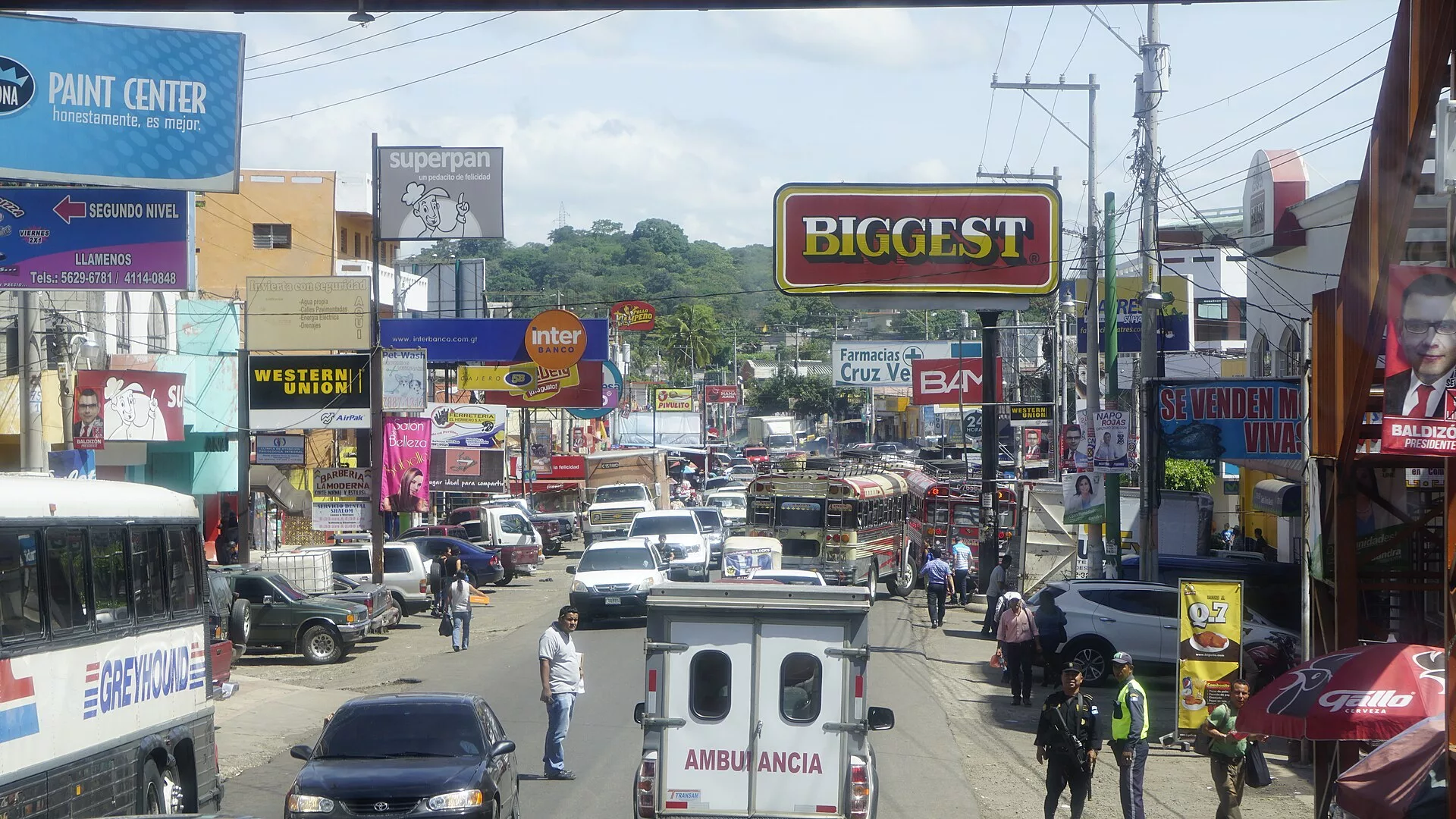
Guatemala diesel is at a record price and the roads keep closing. The president’s answer is a cap, and Congress has not passed it.
Guatemala’s president has proposed capping the price of diesel. The announcement came on Monday 7 September at the government’s weekly press conference.
The cap would be Q39 a gallon nationwide, about US$5.12. The reference rate that day was Q7.6222 to the dollar.
Diesel currently sells at Q46.39 a gallon in the metropolitan region, roughly US$6.09. That is the highest price in Guatemalan history.
The gap of about Q7.40 a gallon, near US$0.97, would be covered by the state. Bernardo Arévalo said the money would come from emergency funds identified by the finance ministry.
Why Guatemala Diesel and Not Petrol
Arévalo was asked why the measure targets diesel alone. He said diesel has three times the impact on the basic basket of goods.
The logic is freight. Trucks and buses run on diesel, so its price feeds into the cost of food and transport for everyone.
Superior petrol sells around Q43.09 and regular around Q41.09, roughly US$5.65 and US$5.39. Those affect car owners more directly than food prices.
The cap would be temporary, running to the end of 2026. A different mechanism is planned for next year.
The Roads Have Been Closing Since August
Blockades started on 31 August. They peaked the following day with 24 simultaneous closures, some cleared with tear gas.
By 7 September there were nine points. They included Rio Hondo and Santa Cruz in Zacapa, two in Coban and one in the capital’s historic centre.
Transport associations are the core, joined by the 48 Cantones of Totonicapan and the Indigenous Municipality of Solola. Market vendors, taxi and mototaxi drivers have also taken part.
Their demand goes further than a subsidy. Transport leaders want import duties, value added tax and the fuel distribution levy suspended instead.
Congress Is the Obstacle
The legislature has already balked once. Deputies declined to give national urgency status to an initiative suspending VAT and fuel taxes.
On 2 September the plenary closed its session without voting on a fuel exoneration. The blockades continued that day at eleven points.
Arévalo’s diesel bill now enters the same chamber. A cap financed by the treasury is a different proposition from a tax cut, but it still needs votes.
Business groups have pushed from the other side. The Constitutional Court granted the chamber of commerce an amparo on 4 September ordering authorities to act on the blockades.
The Budget in the Background
Guatemala submitted its 2027 budget on 2 September, the constitutional deadline. Article 171 requires it 120 days before the fiscal year begins.
The proposal totals Q192,045.1 million, around US$25.2 billion. That is 17.6 percent of projected GDP and 13.8 percent more than 2026.
More than 46 percent goes to social spending. Education takes Q27,898 million, near US$3.66 billion, and health Q18,615.5 million, about US$2.44 billion.
The projected deficit is 4.4 percent of GDP. A fuel subsidy financed from emergency funds sits awkwardly beside that figure.
What to Watch
The first marker is Congress. Without a vote, the cap is an announcement rather than a price.
The second is whether the blockades stop. Transport leaders have said they reject temporary subsidies, which is precisely what the bill offers.
The third is the international oil price. A cap financed by the treasury gets more expensive every time crude rises.
More: Guatemala news in English, every day from The Rio Times.
Frequently Asked Questions
What is Guatemala proposing on diesel?
A bill announced by President Bernardo Arévalo on 7 September 2026 would cap diesel at Q39 a gallon, about US$5.12, through the end of 2026. The state would cover the difference from emergency funds.
What is diesel costing now?
Around Q46.39 a gallon in the metropolitan region, roughly US$6.09 at the 7 September reference rate of Q7.6222 to the dollar. That is the highest recorded price in Guatemala.
Why are there road blockades?
Transport associations, indigenous authorities and market vendors have blockaded roads since 31 August over fuel prices and the cost of the basic basket. They want taxes and duties on fuel suspended rather than a temporary subsidy.
Sources: Prensa Libre, Infobae, La Hora, Emisoras Unidas, TN23, Banco de Guatemala, Ministerio de Energia y Minas, Rio Times.
This article was produced by The Rio Times’ automated newsroom system. How we use AI · Report an error · Editorial responsibility: Matthias Camenzind, Editor-in-Chief