
GUATEMALA · FOOD AND ECONOMY
Guatemala’s Ministry of Economy has authorised duty-free imports of another 60,000 tonnes of white maize, in an agreement dated Thursday 5 November 2026 and printed in the official gazette on Tuesday 10 November. It is the third such quota this year.
The extra grain follows a drought that cut the country’s harvest, and the government says it protects the population’s right to food. For US readers it is a gauge of food stress in a Central American neighbour of Mexico.
Key Facts
- What Guatemala’s Ministry of Economy allowed 60,000 tonnes of white maize to enter without import duty.
- When Agreement 611-2026 is dated Thursday 5 November 2026; the official gazette printed it on 10 November.
- Total With two earlier quotas of 65,000 and 50,000 tonnes, 2026 allowances reach 175,000 tonnes.
- Why Drought cut maize and bean harvests; the government says imports protect the right to food.
- Open The supplier countries have not been announced.
Guatemala is topping up its white maize supply for the third time this year. Duty-free means importers pay no customs duty on the grain.
What the Ministry Decided
The Ministry of Economy issued Ministerial Agreement 611-2026 on Thursday 5 November 2026. It lets importers bring in 60,000 metric tonnes of white maize without paying import duty.
The Diario de Centro América, Guatemala’s official gazette, published the text on Tuesday 10 November. The measure adds to two duty-free quotas opened earlier in 2026, of 65,000 and 50,000 tonnes.
Together the three quotas allow 175,000 tonnes of duty-free white maize this year. The ministry uses such tariff quotas when domestic supply falls short of demand; our explainer on tax-free food imports shows how they work.
Why the Drought Matters
The Ministry of Agriculture, Livestock and Food (MAGA) has said that domestic production of maize and beans would not be enough for 2026. The government says the import decision protects the population’s right to food.
The government points to drought as the cause. The drought hit eastern Guatemala and the Dry Corridor, Central America’s drought-prone belt, hardest.
In Plain English
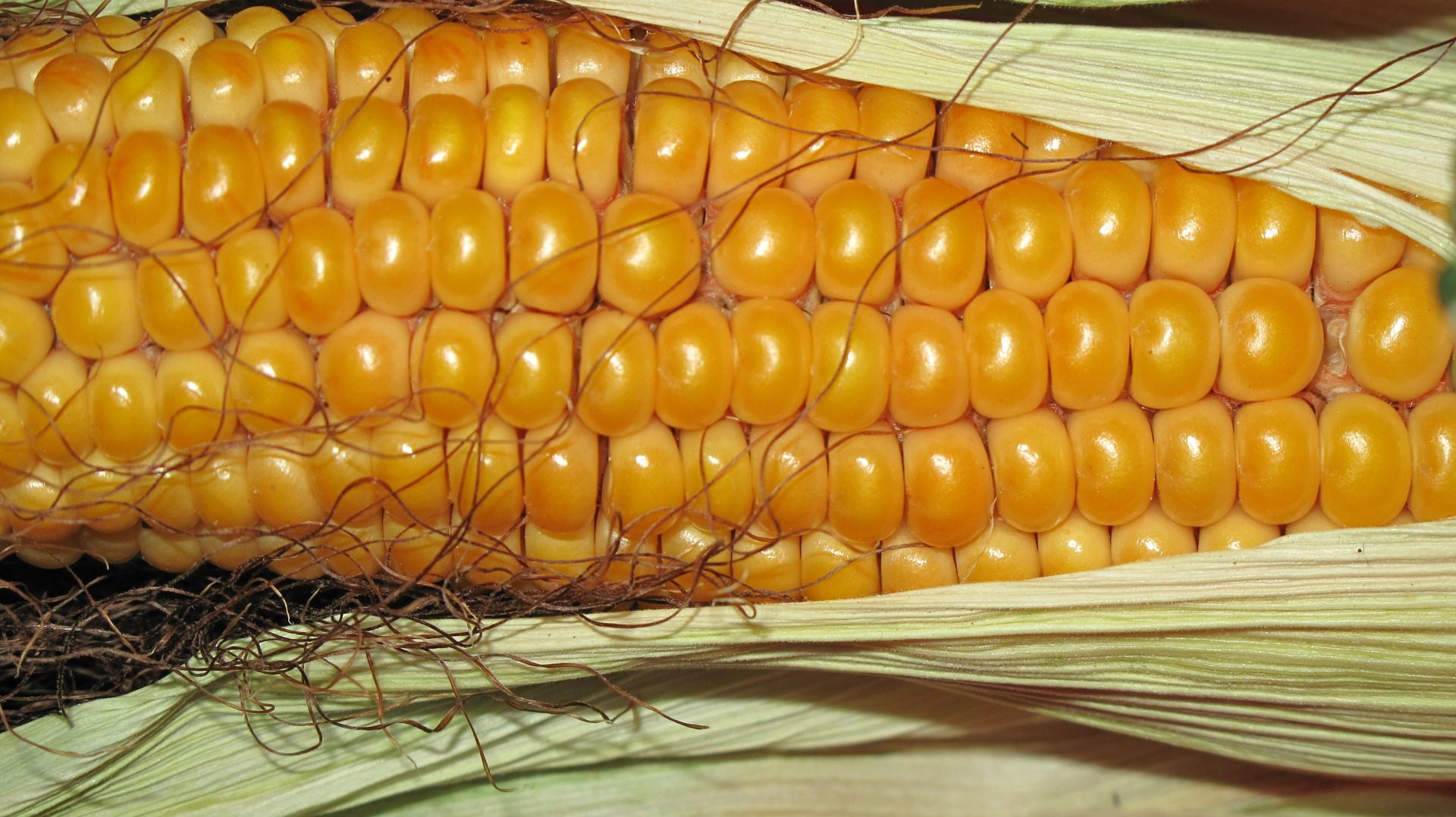
White maize is the maize variety covered by the new quota.
A tariff quota is a fixed tonnage that approved importers may bring in without paying import duty.
What It Means for You
A third quota in one year points to a shortfall, not a one-off squeeze. For grain traders and exporters it signals continued import demand from Guatemala; for aid and food-security watchers it shows how much of the country’s staple now depends on purchases abroad.
Households in the countryside, where harvests failed, are the ones the measure is meant to protect. Our Guatemalan food guide covers the staples.
What Is Not Known
Which countries will supply the 60,000 tonnes has not been announced. Nor is it public how fast importers will use the quota.
Whether a fourth quota will follow also remains open. More background is on our Guatemala page.
Sources
Ministerio de Economía de Guatemala, Acuerdo Ministerial 611-2026 (5 Nov 2026) · Diario de Centro América, official gazette (10 Nov 2026) · Ministerio de Agricultura, Ganadería y Alimentación
Frequently Asked Questions
How much maize did Guatemala authorise?
The Ministry of Economy authorised 60,000 metric tonnes of white maize to enter without import duty. The agreement is dated Thursday 5 November 2026.
Why is Guatemala importing more maize?
The government says drought cut domestic harvests of maize and beans, and that the imports protect the population’s right to food.
How much duty-free maize is allowed in 2026?
With two earlier quotas of 65,000 and 50,000 tonnes, the three quotas total 175,000 tonnes this year.
What is a tariff quota?
A tariff quota is a fixed tonnage that approved importers may bring in without paying import duty. The ministry uses it when domestic supply falls short of demand.
This article was produced by The Rio Times’ automated AI newsroom. Editorial responsibility: Matthias Camenzind, Publisher and Editor-in-Chief. The Rio Times also runs Ask Rio Times, which answers from 100,000+ of our own articles, the daily Latin America Power Map, and prediction-market odds on elections and markets.. How we use AI · Report an error