Buying Property in Guatemala as a Foreigner in 2026

Guides · Guatemala
—The stakes. Foreigners can own Guatemalan property outright, but parcels inside constitutionally restricted zones may be off-limits or require special authorization.
—The process. A notario público drafts and submits the escritura pública, then registration with the Registro General de la Propiedad makes ownership enforceable against third parties.
—The costs. One 2026 buyer guide cites total closing costs for foreign buyers commonly in the 3.5 percent to 4.5 percent range of the deed price.
—The catch. Overlapping historical claims and unregistered possession rights mean a clean registry record alone is not enough without independent legal due diligence.
—The market. Antigua Guatemala, Guatemala City zones 10, 14, 15 and 16, Lake Atitlán and Monterrico remain the most cited foreign-buyer areas as of September 2026.
Guatemala’s property market keeps drawing cash buyers from abroad, but the legal structure rewards those who treat the registry as a starting point rather than a final guarantee.
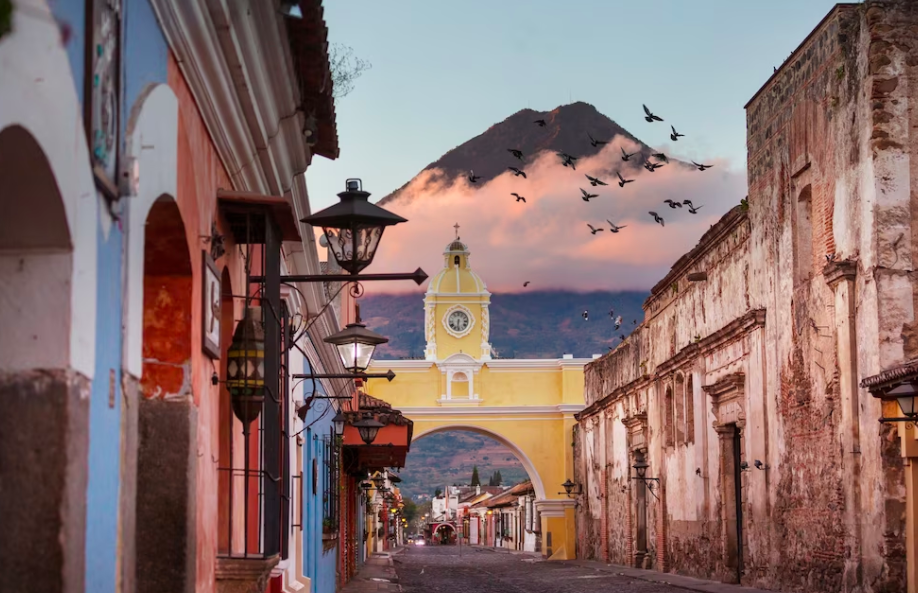
The constitutional framework
Foreigners can generally own property in Guatemala in their own name without a local partner or trust structure in ordinary residential cases. The constitutional restriction is location-based rather than nationality-based for the typical buyer, so the parcel’s physical position matters more than the buyer’s passport.
A restricted strip of 15 kilometres from international borders is the clearest exclusion zone where foreign ownership is limited or subject to special authorization. Coastal, lake-shore and navigable-river reserve zones also carry restrictions that may require case-by-case review depending on the zone type. For most urban and inland purchases, the practical question is whether the specific parcel falls inside a constitutionally restricted area.
The purchase process step by step
A typical purchase begins with the buyer and seller agreeing on price, payment terms, and any conditions before formal drafting starts. The notario publico, a lawyer-notary, is central to Guatemalan conveyancing and typically prepares the deed and verifies formal requirements.
A standard pre-closing step is a title and lien search at the Registro General de la Propiedad, usually using the finca, folio and libro identifiers. The buyer and seller then execute the escritura publica before the notary, followed by payment of applicable taxes and fees. Ownership becomes enforceable against third parties only once the deed is filed and registered at the RGP, making registry inscription a core closing step.
The notario’s role and the registry
In Guatemala the notary does much of the work that in other countries would be split among escrow agents, title officers and closing attorneys. The notary drafts the escritura publica, confirms formal requirements, and submits the instrument for entry in the Registro General de la Propiedad.
The RGP search should confirm current ownership, encumbrances, liens, and the chain of title before any deposit or signing. Buyers should understand that the notary’s duty is not the same as a title insurer’s risk coverage or an independent legal opinion. A professional who simply walks documents through the registry may not catch the historical title risks that a separate due diligence review would.

Transaction costs
Source material points to closing costs commonly in the mid-single-digit percentage range of the deed price for foreign-buyer transactions. One 2026 buyer guide cites 3.5 percent to 4.5 percent as a typical total closing-cost range for foreign buyers, but this is a guide figure rather than an official schedule.
The transaction cost stack generally includes transfer or documentary taxes, registry fees, notarial fees, and related formalization expenses. Registry inscription is charged separately from the transfer tax. Guatemala applies 12 percent IVA to the first sale of a property and a 3 percent stamp tax to second and subsequent sales, with the buyer normally bearing it and the seller owing 10 percent income tax on the gain. Buyers should ask their notary for a written cost estimate before signing, because attribution between buyer and seller can vary by contract.
Why title insurance and independent review matter
Guatemala has a history of registry irregularities, boundary disputes, and overlapping claims in some areas, which makes independent legal due diligence important. A clean RGP entry does not eliminate the risk of possession claims or informal rights that do not appear clearly in the registry record.
In Antigua and similar heritage areas, boundary and development controls are handled by institutions such as OCRET, so buyers should verify title and site-specific constraints. For heritage areas and properties near regulated shorelines or special zones, the review should include land registry, municipal, and heritage or boundary checks. Title insurance can cover some defects, but it does not replace the need to examine the file and the physical parcel before paying.
Where foreigners buy
Common foreign-buyer markets cited in the sources include Antigua Guatemala, Guatemala City, Lake Atitlán-area communities, and Pacific coast locations such as Monterrico. In Guatemala City, the upscale zones most often mentioned are 10, 14, 15 and 16, where foreign investors and diplomats tend to concentrate.
Antigua draws buyers for its Spanish colonial architecture and tourism market, while Lake Atitlán attracts lifestyle buyers seeking water views and village settings. Monterrico and other Pacific coast spots appeal to buyers looking for beach or warm-weather property, but coastal reserve zones require careful review. Urban and inland areas are generally outside the strictest constitutional exclusion zones, while coastal and lakeshore locations demand zone-by-zone legal analysis.
Price ranges by area
The best-supported statement on pricing is that Antigua and prime Guatemala City zones sit at the upper end of the foreign-buyer market. Lake Atitlán and Monterrico vary widely by proximity to the water, legal status, and build quality rather than following a single uniform price scale.
Exact current ranges need property-by-property verification from active listings and local brokers, because headline averages can mask large legal and infrastructure differences. Buyers should compare asking prices with recent registered sale data where available and avoid relying on unverified market reports alone.
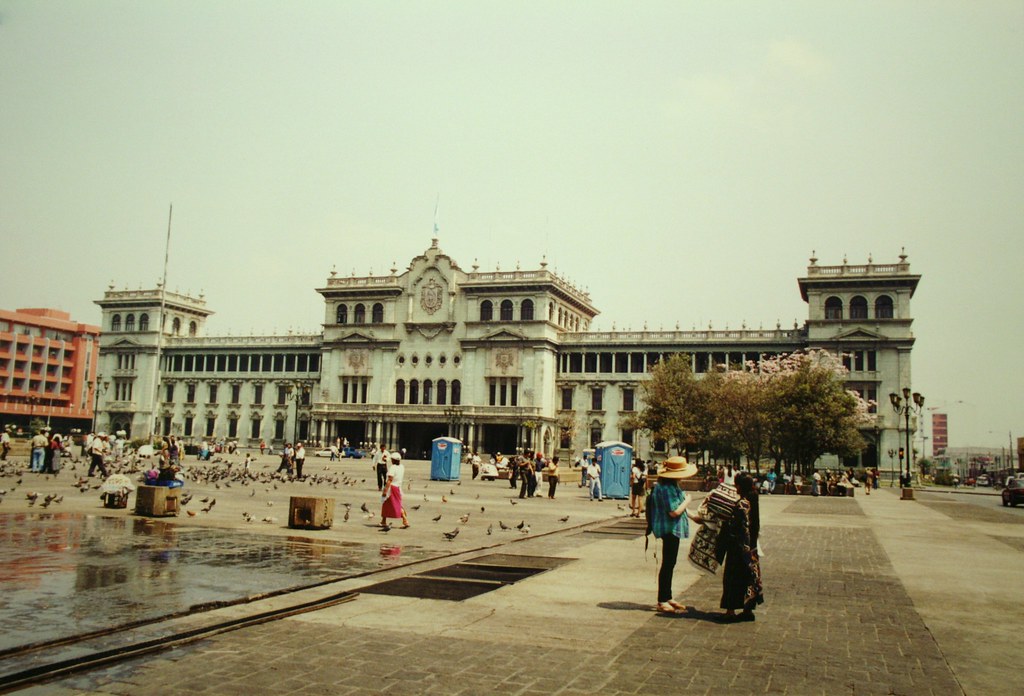
The IUSI municipal property tax
Guatemala imposes a municipal property tax known as IUSI, and both buyers and sellers should verify that it is current at closing. An unpaid IUSI balance can complicate a transfer or create a surprise liability, so requesting the municipal tax record is a standard safeguard.
For that reason, the zero-rate report should not be treated as verified here, and buyers should confirm current municipal tax obligations with the municipality directly. Keeping IUSI payments current is part of maintaining clean ownership records and avoiding penalties that could attach to the property.
Financing reality
The sources indicate that non-resident foreigners commonly buy cash, with mortgage access for non-residents described as limited or uncommon in practice. Financing is generally less accessible than in major mortgage markets, so many foreign purchases are structured around full cash payments or staged private terms.
Local bank lending may be possible only when the buyer has strong local ties, documented income, and complete due diligence, but it remains the exception for non-residents. Buyers who need financing should resolve that question before signing, because the Guatemalan process already concentrates negotiation power around proof of funds. Cash-heavy purchases also mean that every title defect falls directly on the buyer, which raises the value of independent legal and registry review.
Rental potential in Antigua
Antigua is consistently described as a tourism-driven market with strong short-term rental interest, making it one of the strongest foreign-buyer locations for rental use. Demand is tied to tourism and heritage appeal, so occupancy and returns tend to depend on location, walkability, condition, and regulatory compliance.
A well-located Antigua property can serve both as a personal base and a short-term rental asset, but only if the property respects heritage and municipal rules. Buyers should verify that the specific property can legally operate as a rental and that any renovations comply with Antigua’s heritage controls. Rental income projections should not be treated as guaranteed, since tourism demand can shift quickly even in a historically strong market.
Common pitfalls
A major risk is buying land with unclear title, unregistered possession, or historical and occupancy claims that do not show cleanly in the registry record. Another caution is land that functions like ejido-style or communal possession, where local documentation may appear informal and possession rights may exist without full registry title.
Property near borders, coasts, lakes, rivers, or protected heritage areas can be subject to special restrictions that affect foreign ownership, permitting, or redevelopment. The strongest verified points from the available official sources are the constitutional zone restrictions, the notary-centred deed and registration process, the RGP title search, and the need for extra diligence in Antigua. For heritage areas and regulated shorelines, the legal review should include land registry, municipal, and boundary or heritage checks rather than relying only on a seller’s representations.
Connected Coverage
Is Guatemala Safe for Foreigners? Guide
Guatemala’s Congress Capped Fuel Prices, but Not at the Pump Yet
The Big Picture
This article was drafted with automated assistance and reviewed before publication. How we use AI · Report an error · Editorial responsibility: Matthias Camenzind, Editor-in-Chief
Expat Guide to Guatemala
What The Rio Times publishes for foreigners who live in or move to Guatemala.
Start here
- Best Places to Live in Guatemala for Expats
- Guatemala’s Fuel Tax Cut Sits on the President’s Desk: What Expats Need to Know
- Moving to Guatemala 2026 — Residency, Costs and Your First Year Explained
- Investing in Guatemala as a Foreigner in 2026: Two Taxes Just Went
Coming up in Guatemala
- Giant Kite Festival in Sumpango and Santiago on 1 November 1 Nov
- Martin Garrix in Guatemala: Explanada 5 Show on 13 November, Tickets from Q790 13 Nov
Understand Guatemala