Grupo Mexico Train Derailment Triggers Toxic Spill in Sonora
Mining & Infrastructure
Key Facts
—The Spill. A Ferromex train operated by Grupo Mexico derailed in Sonora, releasing roughly 59,000 litres of sodium hydrosulfide.
—The Chemical. Sodium hydrosulfide is a toxic industrial compound that can release dangerous hydrogen sulfide gas upon contact with water or acids.
—Immediate Response. Local authorities ordered evacuations and shelter-in-place protocols for nearby communities while hazmat teams deployed to the site.
—Corporate Context. Grupo Mexico’s rail subsidiary Ferromex is the country’s largest freight operator, moving heavy minerals and chemicals across key industrial corridors.
—Safety Record. The incident adds to a string of derailments and spills that have drawn scrutiny from regulators and communities along Mexico’s mining freight routes.
A Grupo Mexico train derailment in Sonora state has spilled an estimated 59,000 litres of sodium hydrosulfide, forcing evacuations and reigniting debate over the safety of the country’s mining supply chains.
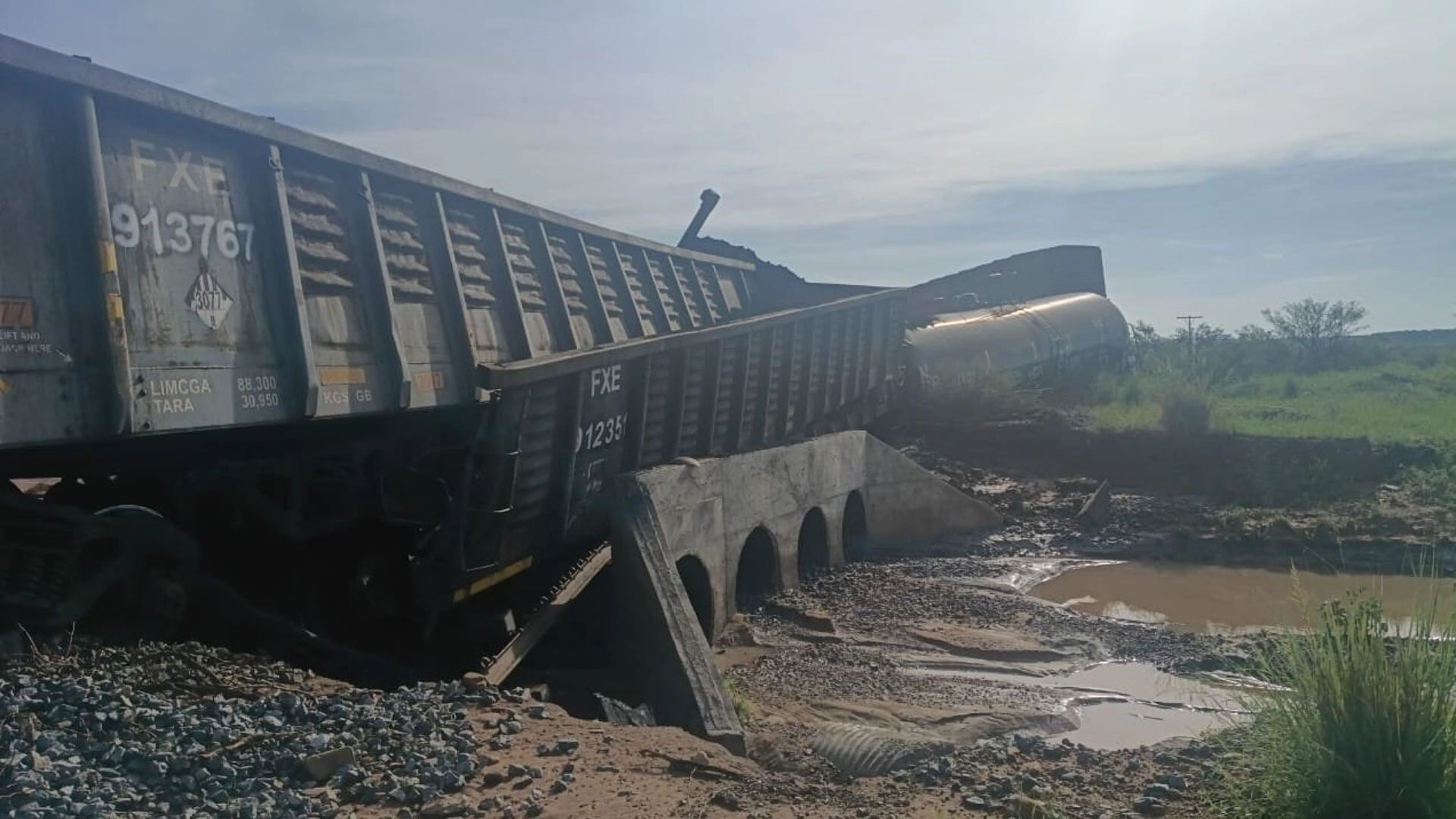
What Happened in the Sonora Derailment
A Ferromex freight train operated by Grupo Mexico Transportes derailed along a key industrial route in Sonora. The accident ruptured tanker cars carrying sodium hydrosulfide, releasing approximately 59,000 litres of the hazardous chemical.
Sodium hydrosulfide is used extensively in mining and leather processing. It poses a serious inhalation risk because it can generate hydrogen sulfide gas, which is toxic even at low concentrations.
State civil protection authorities confirmed the spill and activated emergency protocols. No fatalities were immediately reported, but the full extent of environmental damage remains under assessment.
Evacuations and Emergency Response
Authorities ordered precautionary evacuations in a radius around the derailment site. Residents in several small communities were told to shelter in place and seal windows against potential gas exposure.
Specialised hazmat teams deployed to contain the spill and monitor air quality. Mexican army units with disaster-response training were also mobilised to support the operation.
The immediate challenge for responders was preventing the chemical from contacting water sources. Runoff into local waterways could magnify the environmental and public-health impact significantly.
Live Company IntelligenceGrupo Mexico Train Derailment Triggers Toxic Spill in Sonora — the full investor dossier
Grupo Mexico’s Dominance and Past Incidents
Grupo Mexico is one of the world’s largest copper producers and its transport arm, Ferromex, controls the country’s most extensive rail network. The company moves vast quantities of minerals, chemicals, and fuel daily.
This is not the first serious incident on its network. Previous derailments and chemical spills have drawn fines and criticism from Mexican environmental regulators and community groups.
The company has consistently stated it follows all safety protocols and cooperates fully with investigations. It has also invested in track upgrades, though critics argue the pace is too slow for the volume of hazardous freight.
The Chemical Risk: Sodium Hydrosulfide Explained
Sodium hydrosulfide (NaHS) is a corrosive, yellowish solid often transported in solution. It is a critical reagent in mining for separating copper and molybdenum ores.
The danger escalates when the chemical mixes with acidic water or moisture. This reaction releases hydrogen sulfide, a gas that smells of rotten eggs and can paralyse the respiratory system at high concentrations.
Long-term exposure at lower levels can cause chronic respiratory issues and eye damage. The Sonora spill’s proximity to populated areas makes the containment effort especially urgent.
Market and Supply-Chain Read-Through
Grupo Mexico’s shares on the Mexican stock exchange (BMV: GMEXICO B) are likely to face pressure as investors assess potential liabilities and operational disruptions. The company’s integrated mining-to-rail model means any transport interruption can ripple back to mine output.
For global copper markets, a prolonged disruption on this freight corridor would tighten supply chains already strained by growing demand for electrification. Sonora is a vital artery for moving Mexican copper to Pacific ports for export to Asia.
Insurers and reinsurers covering hazardous-freight rail in Latin America will also be watching closely. A major claim could harden premiums across the sector, raising logistics costs for all mining operators in the region.
Regulatory and Political Fallout
Mexico’s environmental protection agency (PROFEPA) and the communications and transport ministry (SICT) have opened a joint investigation. Early findings will focus on track integrity, train speed, and maintenance records.
The incident is likely to intensify calls in Congress for stricter oversight of hazardous-material rail shipments. Community groups in Sonora have long demanded real-time monitoring and tougher emergency-response requirements.
For expats and foreign investors with assets in northern Mexico, the spill is a reminder of the physical risks embedded in the country’s industrial infrastructure. Environmental liability is an increasingly material factor in Mexican due diligence.
What to Watch Next
The immediate priority is the completion of the containment and air-quality assessments. Authorities will decide when evacuated residents can safely return, a process that could take days.
Grupo Mexico will need to issue a detailed statement on the cause and its remediation plan. The company’s transparency in the coming days will heavily influence market reaction and regulatory tone.
Longer term, watch for any new legislation on hazardous-freight routing or mandatory investment in track safety technology. This derailment could become the catalyst for a regulatory shift that reshapes logistics costs across Mexico’s mining sector.
More: Latin America news in English, every day from The Rio Times.
Frequently Asked Questions
What chemical was spilled in the Grupo Mexico train derailment in Sonora?
The derailed Ferromex train spilled approximately 59,000 litres of sodium hydrosulfide, a toxic industrial chemical used mainly in mining operations. It can release dangerous hydrogen sulfide gas when it contacts water or acids.
Were there evacuations after the Sonora chemical spill?
Yes, local civil protection authorities ordered evacuations and shelter-in-place orders for communities near the derailment site. Hazmat teams and military units were deployed to contain the spill and monitor air quality.
How might this derailment affect Grupo Mexico’s business?
The spill could pressure Grupo Mexico’s share price and trigger regulatory fines. A prolonged disruption on this key freight corridor may also impact copper supply chains and raise insurance costs for hazardous-material rail transport across Latin America.
Connected Coverage
Sources: State civil protection authorities.
This article was produced by The Rio Times’ automated newsroom system. How we use AI · Report an error
Read More from The Rio Times