Grupo México Profit Jumps 79% as Copper Prices Rally

Mexico · Business
Key Facts
—Net profit. US$2.20 billion in Q2 2026, up nearly 79 percent year on year.
—Revenue. US$5.71 billion, a 35 percent increase from the same period in 2025.
—Copper price driver. Average copper price reached US$6.16 per pound, up 30.5 percent year on year.
—Production. Copper output fell 3.7 percent to 257,537 metric tons, mainly on lower Peruvian and US volumes.
—EBITDA. Quarterly EBITDA rose 49.6 percent to US$3.54 billion.
Grupo México, the Mexican mining and transport conglomerate, reported net profit of US$2.20 billion for the second quarter of 2026, a jump of nearly 79 percent from the same period a year earlier.
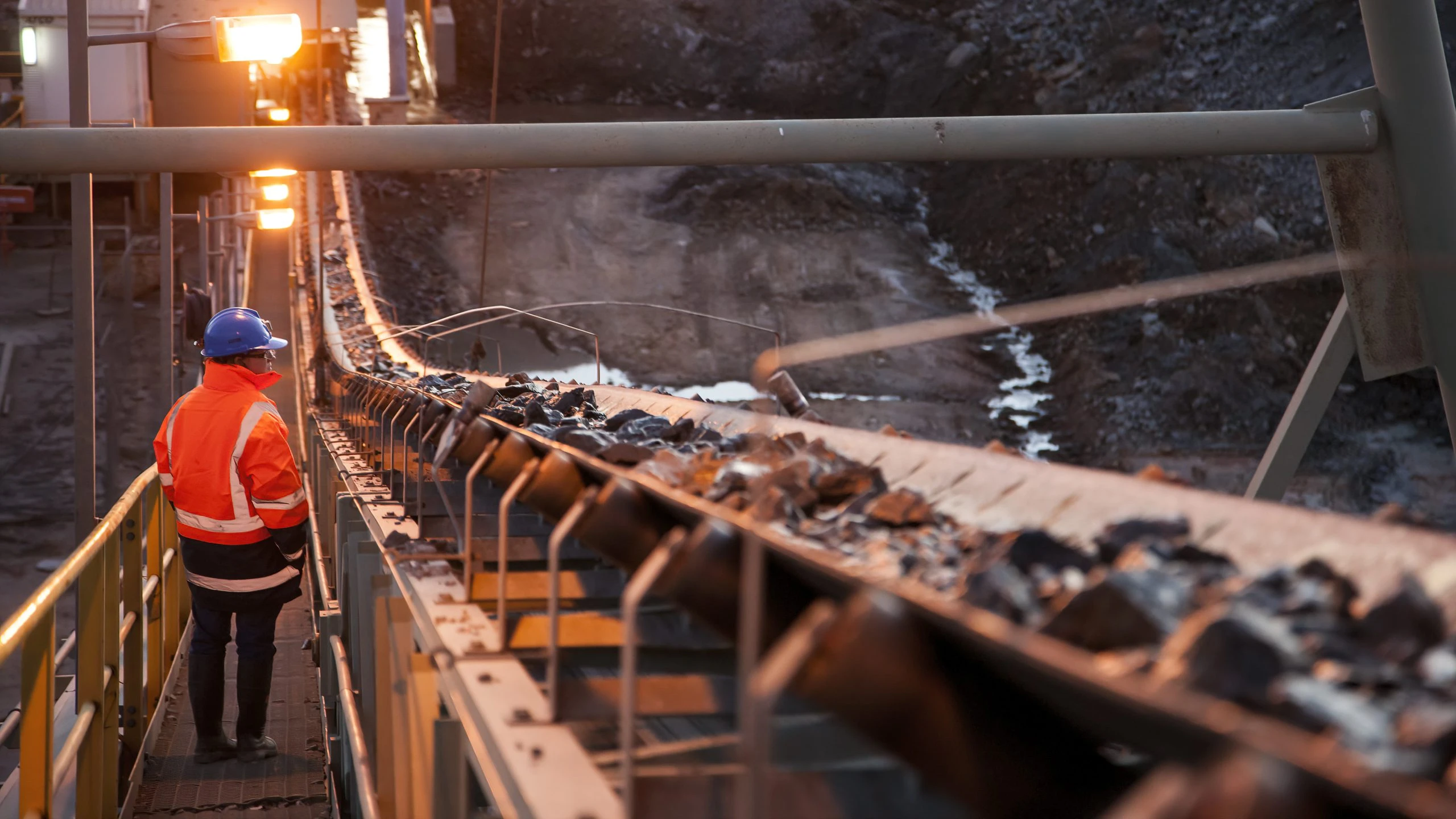
Why Copper Prices Dictate the Bottom Line
The earnings swing is straightforward. Grupo México is one of the world’s largest copper producers, and copper is a commodity whose price is set on global exchanges.
When the per-pound price rises, revenue from each ton sold climbs immediately, while most production costs stay fixed in the short term. That arithmetic turns a 30.5 percent price increase into a much larger profit leap.
Copper is often called the metal of electrification because it is essential for wiring, electric vehicles, and renewable energy systems. Global demand has been climbing steadily as governments and industries push to decarbonize, which puts upward pressure on prices.
For foreign investors watching Latin American markets, this dynamic matters. A company like Grupo México acts as a leveraged play on the green energy transition, amplifying commodity price gains directly into its bottom line.
Mining Revenue Surges Despite Lower Output
Revenue in the key mining division rose 41.3 percent year on year, even though the company pulled 257,537 metric tons of copper from the ground, 3.7 percent less than a year ago.
Lower output at mines in Peru and at the Asarco operations in the United States trimmed volumes. The average copper price of US$6.16 per pound, up from US$4.72, more than compensated for the shortfall.
The Peruvian operations, which include the large Southern Copper mines, have faced logistical and community-related challenges that can periodically slow extraction. Asarco, the US-based subsidiary, operates several aging mines and smelters in Arizona and Texas that require ongoing capital investment to maintain output.
For expats and investors with exposure to Latin American equities, the production dip is a reminder that even the region’s largest miners face operational headwinds that can temporarily limit their ability to capitalize fully on price booms.
Live Company IntelligenceGrupo México Profit Jumps 79% as Copper Prices Rally — the full investor dossier
What the Railway Arm Adds to Grupo México
The transport division, which runs freight railways across Mexico, does not swing with metal prices the way mining does. It generates a steadier stream of revenue from moving goods such as grains, automotive parts, and industrial materials.
This predictable cash flow reduces the group’s overall exposure to copper cycles. When metal prices dip, the railway unit helps Grupo México keep servicing debt and funding investments without drastic cuts.
The railway business operates under the Ferromex and Ferrosur brands, which together form one of Mexico’s largest freight networks. These lines connect major industrial cities and ports, making them critical arteries for the country’s export-driven manufacturing sector.
For foreign readers unfamiliar with Mexico’s economic structure, this dual mining-and-railway model is unusual. It gives Grupo México a built-in hedge that pure mining companies lack, smoothing out earnings volatility over time.
Cost Control and the 2026 Outlook
Cash costs after byproduct credits fell sharply during the quarter, further widening the margin between the copper price and what it costs to produce each pound.
The mining division kept its 2026 copper production guidance unchanged at 1.034 million tons. Quarterly EBITDA reached US$3.54 billion, a 49.6 percent increase from the prior-year period.
Byproduct credits come from metals like gold, silver, and molybdenum that are extracted alongside copper. When those metals also fetch strong prices, they effectively reduce the net cost of producing copper, boosting profitability even further.
Maintaining the full-year production target signals management confidence that the second-half output will recover from the first-half dip. Investors will watch closely to see whether Peruvian and US operations can ramp up as planned.
What This Means for Expats and Investors
The results highlight how Latin American commodity giants can deliver outsized returns during price upswings, even when operational metrics are mixed. For expats living in Mexico, a strong Grupo México often correlates with broader economic health in mining regions.
Investors holding Mexican equities or copper-focused exchange-traded funds should note that Grupo México’s railway division provides a cushion that competitors like Chile’s Codelco or Peru’s Southern Copper do not enjoy in the same way.
The company’s ability to convert a 30.5 percent price increase into a nearly 79 percent profit jump demonstrates significant operating leverage. This cuts both ways: when copper prices fall, profits can shrink just as dramatically.
For anyone considering exposure to Latin American markets, understanding this leverage is essential. Grupo México is not a slow-moving industrial conglomerate but a highly sensitive bet on global copper demand and the pace of the energy transition.
What Happens Next for Grupo México
Looking ahead, the trajectory of copper prices will remain the single most important factor for the company’s earnings. Analysts will monitor global manufacturing data, Chinese demand, and supply disruptions at major mines worldwide for clues.
The unchanged production guidance of 1.034 million tons suggests the company expects to overcome the first-half output challenges. Any further slippage in Peru or at Asarco could test that target and weigh on investor sentiment.
The railway division is likely to keep delivering steady results regardless of metal prices, providing a floor under the group’s overall financial performance. This stability is particularly valuable if copper prices retreat from their current highs.
For foreign readers tracking Latin America, Grupo México’s next quarterly report will be a key indicator of whether the region’s mining sector can sustain its momentum amid global economic uncertainty.
More: Latin America news in English, every day from The Rio Times.
Frequently Asked Questions
Why did Grupo México’s profit rise so sharply when copper production fell?
The average copper price jumped 30.5 percent to US$6.16 per pound, which lifted revenue per ton far faster than the 3.7 percent output decline could erode it. Because most production costs are fixed in the short term, the higher price flowed almost directly into profit, creating a nearly 79 percent earnings surge.
What does Grupo México’s railway business do?
It operates freight rail services across Mexico under the Ferromex and Ferrosur brands, hauling goods for agriculture, automotive, and industrial customers. This division provides a stable income stream that balances the cyclical mining division, helping the company weather periods of low copper prices.
What is Grupo México’s copper production target for 2026?
The company maintained its full-year guidance at 1.034 million metric tons of copper, unchanged despite the slight second-quarter dip in output. Management expects operations in Peru and the United States to recover enough volume in the second half to meet that target.
Connected Coverage
Sources: Grupo México.
This article was produced by The Rio Times’ automated newsroom system. How we use AI · Report an error · Editorial responsibility: Matthias Camenzind, Editor-in-Chief
In depth