Global Grain Forecast Drops to 2.301 Billion Tons as South America Falters
The International Grains Council (IGC) slashes its 2024/25 global grain production estimate to 2.301 billion tons, down from 2.305 billion.
Released on February 20, 2025, this update reflects trouble in South America, where drought hammers corn and soybean crops. The figure trails last year’s 2.309 billion tons, stirring concern among traders and policymakers.
Corn takes the hardest hit, with the IGC cutting its forecast by 3 million tons to 1.216 billion tons. Dry weather in Argentina and Brazil drives this drop, threatening feed and ethanol supplies.
Consumption dips to 1.238 billion tons, while stocks rise slightly to 275 million tons, still tight compared to 297 million last year. Soybean output falls by 2 million tons to 418 million tons, despite strong harvests in Brazil and the U.S.
Argentina and Paraguay falter, yet demand climbs to 410 million tons, up from 385 million in 2023/24. Stocks shrink to 82 million tons, raising worries about shortages as trade hits 178 million tons.
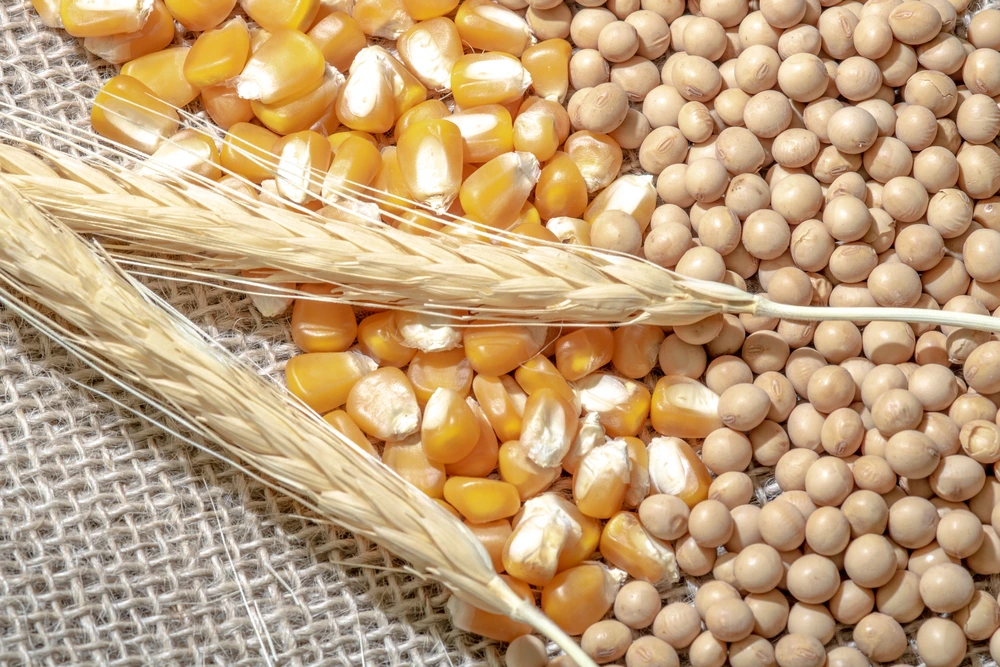
Wheat offers a rare bright spot, with production rising 1 million tons to 797 million tons. Consumption edges up to 806 million tons, but stocks slip to 264 million tons, the lowest in years. This follows 795 million tons produced last year, showing a fragile balance in breadbasket regions.
Global grain demand soars to a record 2.334 billion tons, though slightly below earlier hopes. Stocks increase to 576 million tons, yet remain among the decade’s lowest, down from 608 million tons in 2023/24. This thin buffer alarms experts, recalling 2012’s 564-million-ton low that spiked prices.
Behind these numbers lies a tense story of weather and markets. South America, a grain giant, battles La Niña’s dry grip, while Europe and Ukraine face their own woes. The IGC, tracking this since 1949, warns of volatility if harvests weaken further. Trade slows by 1 million tons, led by China’s reduced imports.
Businesses eye these shifts closely. Tight stocks and robust demand could lift prices, impacting food costs worldwide. With 576 million tons in reserve, the world has little room for error. The IGC’s report signals a critical moment for supply chains and global hunger efforts.
More: Brazil news in English, every day from The Rio Times.
This article was produced by The Rio Times’ automated newsroom system. How we use AI · Report an error
Read More from The Rio Times