How Dendritic Cells Are Transforming Cancer Treatment
(Sponsored) Dendritic cells have the potential to revolutionize cancer treatment due to their effectiveness against multiple types of malignant tumors. This personalized medical procedure enhances anti-tumor immune system response. Here’s an in-depth look at how dendritic cell cancer therapy works and its implications for modern oncology.
Understanding How Dendritic Cells Work
The interaction between tumors and the immune system progresses through three distinct phases:
- Phase 1 – Elimination. The immune system effectively destroys any tumor.
- Phase 2 – Equilibrium. The immune system controls the tumor but cannot eliminate all malignant cells. This state can persist for years.
- Phase 3 – Escape. The tumor develops mechanisms to evade immunity, leading to uncontrolled growth.
The goal of any immunotherapy, including dendritic cell treatments, is to reverse Phase 3 back to Phase 2. This enables the immune system to once again recognize and destroy cancer cells.
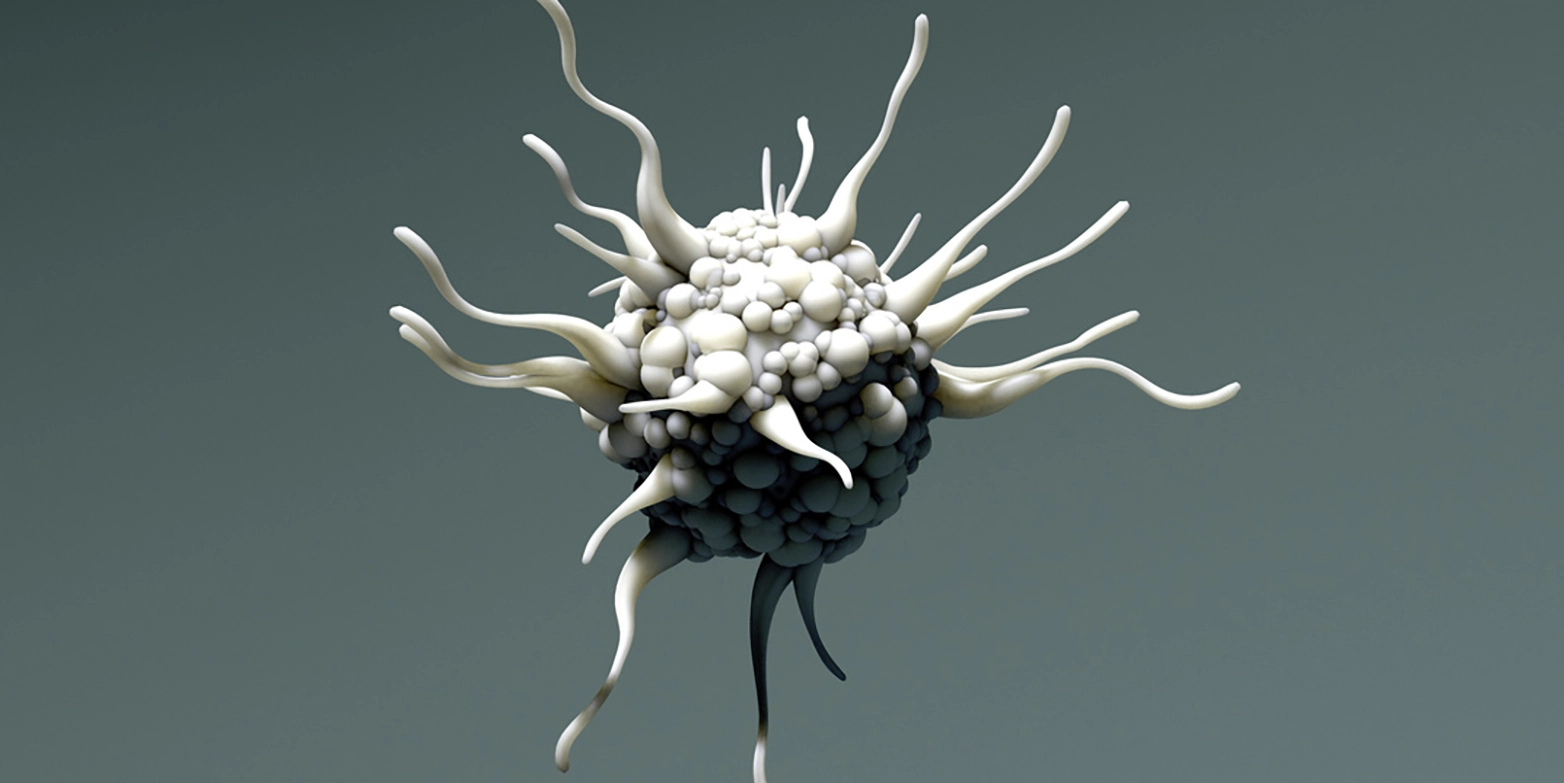
Dendritic cells play a crucial role in this process. During the creation of individual anti-cancer vaccines, they acquire information about tumor antigens and subsequently train other immune cells to recognize malignant formations. The clinical effectiveness of dendritic cells is achieved through enhanced immune system function.
The Treatment Process
This therapy utilizes autologous (patient’s own) dendritic cells, which are derived from monocytes collected from peripheral blood.
The process begins with collecting approximately 200ml of blood from the patient. Monocytes are isolated from this sample and differentiated into dendritic cells under laboratory conditions. These immature cells require exposure to tumor antigens to reach full maturity.
While standardized antigens can be used, optimal results are achieved using antigens from the patient’s specific tumor. This requires obtaining a tumor tissue sample, either through surgery or a liquid biopsy (blood draw to isolate malignant cells).
After dendritic cells capture the antigens, fragments are displayed on the cell surface. The mature dendritic cells are then administered through subcutaneous injection. In lymph nodes, these cells encounter T-cells, transferring antigen information through a process called antigenic presentation.
This results in enhanced tumor recognition and more effective destruction of malignant cells by the immune system.
Applications of Dendritic Cell Therapy
Dendritic cell vaccines have been developed for most cancer types, though additional research is needed to confirm their efficacy.
Numerous studies have demonstrated promising results from dendritic cell cancer therapy. This treatment is most commonly applied in late-stage cancer as a systemic approach, targeting both primary tumors and metastases.
It is also used post-surgery as part of adjuvant therapy to reduce recurrence risk or extend remission periods. Recent trials demonstrate the benefits of dendritic cell vaccination at early cancer stages.
The versatility of this personalized approach has made it particularly valuable in comprehensive cancer treatment strategies, as it can be effectively combined with other therapeutic modalities to enhance overall patient outcomes.
The response to this treatment varies among patients, with some showing remarkable improvements in their condition. The activation of the immune system through this personalized approach has demonstrated particularly encouraging outcomes in cases where traditional treatments have shown limited effectiveness.
Availability and Access to Dendritic Cell Therapy
Dendritic cell vaccine therapy achieves immune system activation and provides long-term cancer control, even in advanced stages. This method is safe, well-tolerated, and compatible with most other cancer treatments, including other immunotherapy approaches.
Currently, this innovative treatment is available only at specialized centers, primarily in countries with advanced medical capabilities. For dendritic cell therapy, patients can travel to Germany or other developed European countries.
Through Booking Health’s service, you can select an appropriate clinic. Booking Health team will help you find a suitable cancer immunotherapy center, schedule convenient appointments, and arrange your medical journey.
More: Brazil news in English, every day from The Rio Times.
This article was produced by The Rio Times’ automated newsroom system. How we use AI · Report an error
LatAm Markets: Live Signals → — real-time movers, turnover leaders and FX across Latin America.
Read More from The Rio Times