Ghana Tests Chip-Tagged Number Plates Before New Cars Get Them in 2027
Ghana · TECHNOLOGY
Key Facts
- —The country Ghana is a West African democracy of about 35 million people, roughly three times Ohio’s population. Its economy was worth about US$114 billion in 2025, according to the World Bank.
- —Why it matters Fake and cloned number plates are a long-running problem in Ghana. They make it hard for police, insurers and courts to trace vehicles linked to crime or unpaid fees.
- —Why now The Driver and Vehicle Licensing Authority (DVLA), Ghana’s vehicle registration agency, said testing began on Tuesday 29 September. New road traffic regulations passed this year.
- —What happened The DVLA started piloting plates fitted with radio-frequency identification (RFID) chips on selected vehicles. The test began about two months later than first planned.
- —The numbers The DVLA’s chief executive puts Ghana’s registered fleet at three to four million vehicles. All are eventually due to move to the new plates.
- —What it means for you Anyone buying or importing a car in Ghana from January 2027 should expect the new chip plates. The year of registration will no longer appear on them.
- —Still open The DVLA has not yet set dates, fees or procedures for re-plating vehicles that are already registered.
Ghana has started testing number plates with embedded radio chips, meant to end plate cloning. New vehicles are due to get them from January 2027; a timetable for everyone else is still to come.
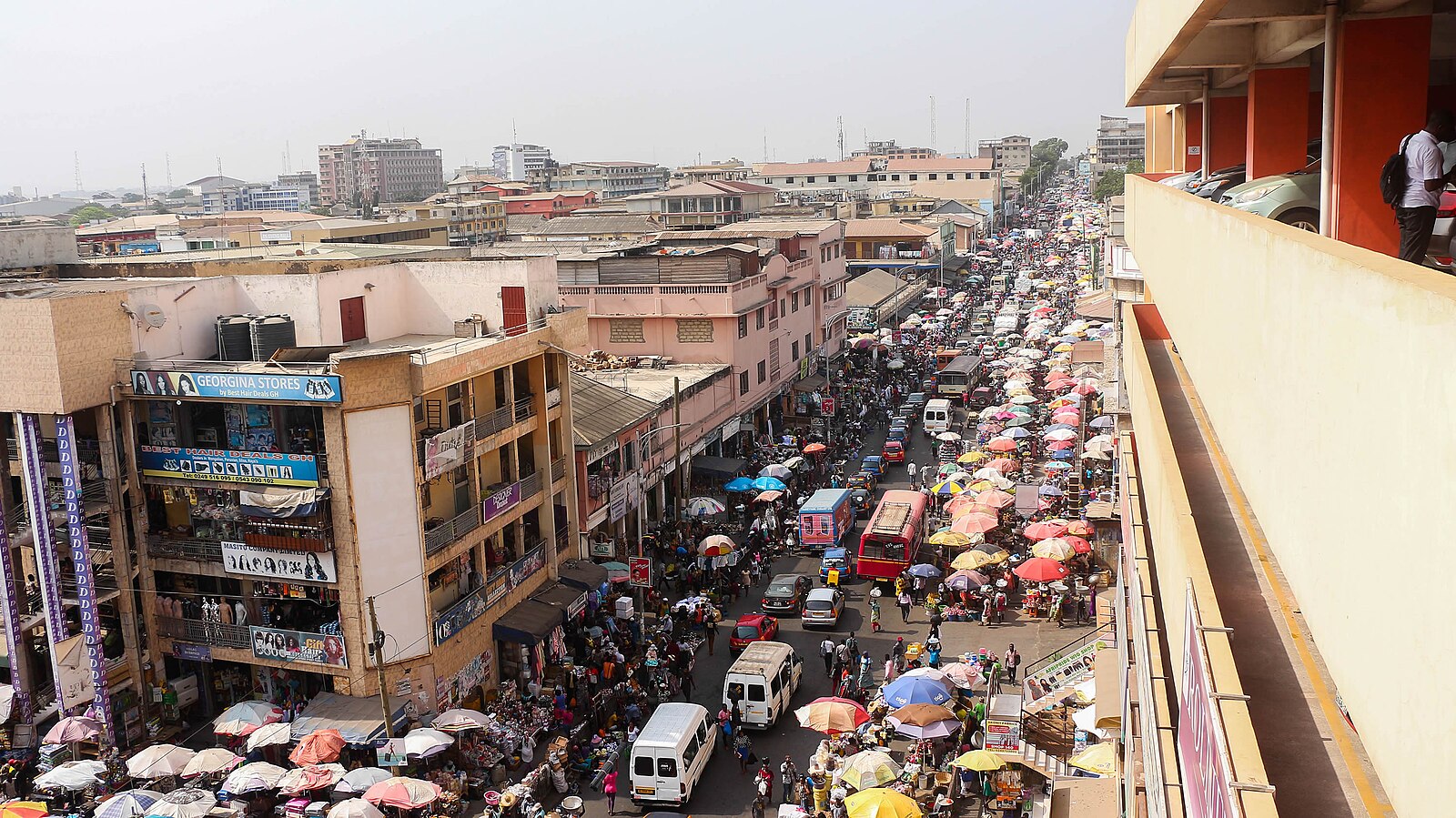
Ghana, a West African country of about 35 million people, has begun a pilot of RFID number plates for its vehicles. The Driver and Vehicle Licensing Authority (DVLA), the state agency that registers cars, announced the start on Tuesday 29 September.
RFID stands for radio-frequency identification, the chip technology used in contactless toll tags and passports. Each plate will carry a chip that links the vehicle to the DVLA’s central database.
What the DVLA announced
In a statement on 29 September, the DVLA said the pilot covers “a selected number of vehicles”. It did not say how many vehicles, or which ones, are taking part.
The test is meant to let the authority check the plates, its processes and its operational needs before a national rollout. Official issuance is due to begin in January 2027, starting with vehicles registered for the first time.
Vehicles already on the road will follow later. The DVLA said it would announce the modalities and start date for their re-registration separately.
How the new plates look and work
The redesigned plate will show “REPUBLIC OF GHANA” across the top, with the national flag in the top-right corner. A renewal sticker ring, renewed every two years, sits at the top left.
The region of registration will appear along the bottom, and a watermark of the map of Ghana will sit in the centre. The numbering system also changes.
Each registration number will be followed by four letters. The first two identify the registration centre, and the last two are random rather than sequential.
The year of registration will no longer appear on the plate. In Ghana, as in many countries, buyers have long used that year as a quick guide to a vehicle’s age.
A pilot that slipped by two months
The start comes later than planned. On 10 July, DVLA chief executive Julius Neequaye Kotey told a briefing in Accra the pilot would begin on 1 August.
He said government vehicles would go first, with all unregistered vehicles following from 1 September. Neither date was met, and the latest statement does not mention government vehicles.
The project had already stalled once. In December 2025, the DVLA suspended a planned rollout of new plates that was due to start in January 2026.
At the July briefing, officials said the reform needed changes to the Road Traffic Regulations of 2012. The DVLA now says the pilot follows the passage of the Road Traffic Regulations, 2026, known as L.I. 2519.
An L.I., or legislative instrument, is Ghana’s term for detailed regulations made under an act of parliament. They set the rules that agencies such as the DVLA enforce.
Why Ghana wants RFID number plates
The main target is fraud. Cloned plates, illegally embossed plates and false registrations let vehicles dodge fees, insurance checks and police inquiries.
In July, Mr Kotey said the database would connect to the Ghana Highway Authority’s toll system and motor insurance records. It would also link to the Ghana Police Service and the courts.
He complained that enforcement agencies often wrote to the DVLA about vehicles involved in crime and could not get answers quickly. He said the delays could even keep suspects in police custody while bail details were checked.
The authority also expects the system to cut revenue leakages, meaning registration and licence fees that are never collected. Its latest statement lists “improved revenue protection” among the goals.
Plates made at home
The DVLA also wants to control how plates are made. On 28 August, it began building a number plate manufacturing centre at its Greater Accra regional office.
The facility is expected to take about three months to complete and will produce the chip-enabled plates. Until now, Ghana’s plates have been imported or made by third-party suppliers.
Finished plates will be sent to DVLA offices for embossing, the stamping of the registration number. Mr Kotey said the Greater Accra and Ashanti regions would receive five and three embossing machines respectively.
Part of a wider push on roads and tolls
The plates are one piece of a broader move to manage Ghana’s roads digitally. On 9 September, roads minister Kwame Governs Agbodza announced plans for free-flow electronic tolling on improved public roads.
Such systems identify vehicles as they pass, without toll booths. Earlier plans for the new tolls mentioned RFID and automatic number plate recognition, though details of roads and rates are still pending.
Separately, the Ghana Police Service has moved full enforcement of its camera-based traffic programme, TRAFFITECH-GH, to 1 November. The police said on 29 September that the extra month was for public education.
What it means for residents, investors and fleet operators
Foreign residents, companies with vehicle fleets and car importers should budget for a change of plates. The DVLA has not yet published fees for the new plates or for re-registration.
Anyone registering a vehicle for the first time from January 2027 should expect to receive the new plates. Owners of vehicles already registered should wait for the DVLA’s separate announcement before acting.
In July, the DVLA set a two-year target to replace all plates between 1 January 2027 and 31 December 2028. Its September statement did not repeat those dates, so that timetable may yet change.
What to watch next
The first signals will be how long the pilot runs and whether the Accra plate factory is finished on time. Both will shape whether January 2027 holds.
After that, the key announcements are the fees and the re-registration schedule for existing vehicles. The DVLA has promised information ahead of each phase of the rollout.
Frequently Asked Questions
What are Ghana’s new RFID number plates?
They are vehicle plates with a radio-frequency identification chip linked to the DVLA’s central database. They are meant to stop cloned and fake plates and let agencies verify vehicles electronically.
When will the new plates be issued?
A pilot on a selected group of vehicles began on 29 September 2026. Official issuance is due to start in January 2027, beginning with vehicles registered for the first time.
Do owners of existing vehicles need new plates now?
Not yet. The DVLA says it will announce the procedures and start date for re-registering existing vehicles later, and has not published fees.
Why has the year of registration been removed?
The DVLA has not given a reason. Under the new design, the registration number is followed by a two-letter centre code and two random letters instead.
Connected Coverage
Sources
- myjoyonline.com — DVLA begins pilot of RFID-enabled number plates (29 Sep 2026)
- adomonline.com — DVLA begins pilot of RFID-enabled number plates (29 Sep 2026)
- myjoyonline.com — DVLA to replace all number plates by 2028 (14 Jul 2026)
- myjoyonline.com — DVLA begins local plate production (28 Aug 2026)
- myjoyonline.com — DVLA database of registered vehicles (5 Aug 2026)
- myjoyonline.com — Electronic tolling on improved roads (9 Sep 2026)
- adomonline.com — TRAFFITECH-GH moved to 1 November (29 Sep 2026)
- World Bank — Ghana population and GDP
This article was produced by The Rio Times’ automated newsroom system. How we use AI · Report an error
LatAm Markets: Live Signals → — real-time movers, turnover leaders and FX across Latin America.
Read More from The Rio Times