
Ecuador’s National Electoral Council (CNE), the body that runs the country’s votes, will start sending ballot materials to polling sites on Monday 16 November 2026. The shipments begin 13 days before local elections in a country that uses the US dollar as its currency.
- Shipments: Monday 16 November to Saturday 28 November 2026.
- Size: 41,702 packages for local elections and the Citizen Participation Council (CPCCS), a state oversight body.
- Route: Amazon provinces and the Galápagos Islands first, Pichincha, home of Quito, last.
- Vote: Sunday 29 November 2026.
- Power Index: Ecuador ranks 8th of 14 in The Rio Times Latin America Power Index, with 37.2 points (November 2026 edition).
- As of: 10 November 2026, 06:30 GMT
What Happened
On Monday 9 November 2026 the CNE announced that distribution of 41,702 electoral packages starts on Monday 16 November and runs until Saturday 28 November. The packages serve the local elections, known as sectional elections, and the votes for the Citizen Participation and Social Control Council (CPCCS), a state body that appoints national watchdog officials.
Shipments start in the Amazon provinces and Galápagos and finish in Pichincha, the province of the capital Quito. Ecuador’s Armed Forces guard the transport of the material.
Meanwhile the CNE and Montgar, the company that integrates the packages, are assembling the packages under technical and security protocols. Each package holds what polling-station members need for voting and counting: ballots, documents and envelopes, markers, stamps, fingerprint materials and other items.
Every package includes two ballot boxes, a white one for local posts and a brown one for the CPCCS. The 679 packages for the three special overseas constituencies were already sent in full.
Why It Matters
Moving tens of thousands of packages across a country that stretches from the Amazon to the Galápagos Islands is a large logistics task. Ballots and counting materials must reach every polling site before voting day.
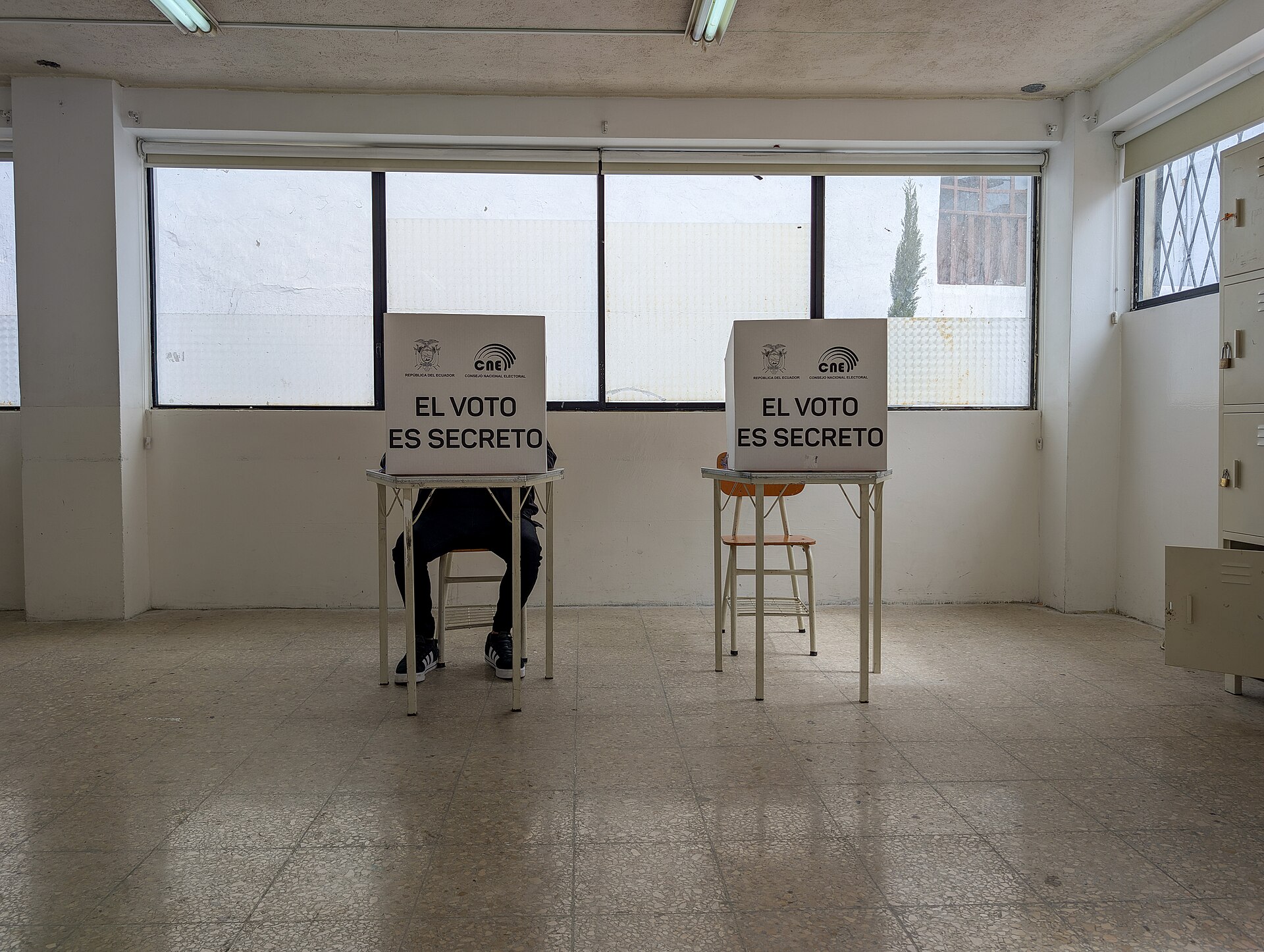
On Sunday 29 November 2026 voters choose prefects (provincial governors), mayors, councillors and parish board members, and also the CPCCS members. Our explainer on the electoral system shows how these posts fit together.
Ecuador uses the US dollar as its currency, so firms that trade or invest there follow its politics closely. An orderly vote is part of that picture.
What Happens Next
Shipments run from Monday 16 November to Saturday 28 November, the day before the vote. Expats can check our guide to the voting-weekend rules.
What Is Not Known
The CNE’s announcement does not give the day-by-day provincial order. It also gives no count of packages per province.
It is also unknown whether any date will change. Readers should treat the 16 to 28 November window as the CNE’s plan, not a guarantee.
What It Means for You
Travellers in Ecuador on Sunday 29 November 2026 should check election-weekend rules. Expats should follow CNE notices.
Investors with Ecuador exposure may watch the vote on 29 November for the balance of power in local government. Our Ecuador coverage tracks the run-up.
Frequently Asked Questions
When does Ecuador start distributing its electoral packages?
Distribution starts on Monday 16 November 2026 and runs until Saturday 28 November. Shipments begin in the Amazon provinces and Galápagos and finish in Pichincha.
What is inside each electoral package?
Each package holds ballots, documents and envelopes, markers, stamps, fingerprint materials and other items for polling-station members. It includes two ballot boxes: a white one for local posts and a brown one for the CPCCS.
When is Ecuador’s election day and who is on the ballot?
Election day is Sunday 29 November 2026. Voters choose prefects, mayors, councillors, parish board members and members of the CPCCS.
Sources: Ecuador’s National Electoral Council (CNE), statement of 9 November 2026, cne.gob.ec.
This article was produced by The Rio Times’ automated AI newsroom. Editorial responsibility: Matthias Camenzind, Publisher and Editor-in-Chief. The Rio Times also runs Ask Rio Times, which answers from 100,000+ of our own articles, the daily Latin America Power Map, and prediction-market odds on elections and markets.. How we use AI · Report an error