EPR Wins the Régis Bittencourt Highway With a 22.5% Toll Cut
Business
Key Facts
—The winner. EPR won the auction to run the Régis Bittencourt highway (BR-116) with a 22.53% toll discount.
—The route. About 400 kilometers of BR-116 between Taboão da Serra, in Greater São Paulo, and Curitiba.
—The rivals. It beat Motiva, formerly CCR, which offered 12.1%, and current operator Arteris, at 0.01%.
—The backer. EPR is a joint venture of asset manager Perfin and infrastructure group Equipav.
—The investment. The 25-year contract calls for about R$11 billion (US$2.2 billion) in spending.
One of Brazil’s busiest highways just got a new operator and cheaper tolls. Road group EPR won the auction to run the Régis Bittencourt highway, promising to cut tolls by nearly a quarter.
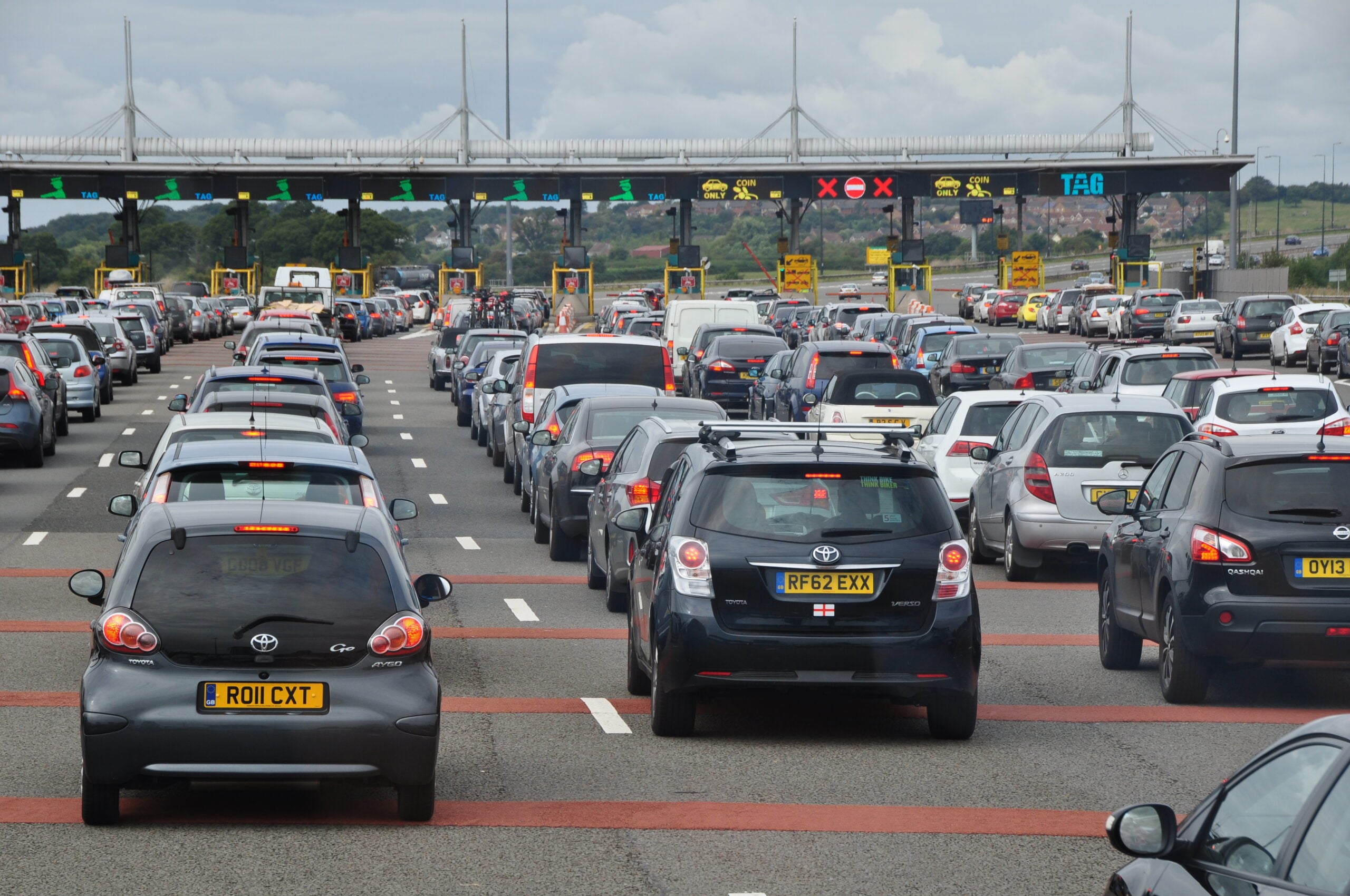
The Régis Bittencourt is one of Brazil’s most important roads, the main link between São Paulo and Curitiba and a key freight corridor to the south. Its concession was up for renewal.
In an auction at the B3 exchange, EPR won it with the biggest toll discount on the table.
The B3, Brazil’s main stock exchange in São Paulo, regularly hosts infrastructure auctions of this kind. Holding the bidding there on a public platform is meant to guarantee transparency and attract a wide field of competitors, which in theory pushes discounts higher for the public.
How Brazil’s Road Auctions Work
Brazil hands its highways to private operators through concessions. Companies bid by offering the largest discount on a reference toll, and the biggest cut usually wins, so drivers see the benefit directly at the toll booth.
EPR’s 22.53% discount comfortably beat Motiva’s 12.1% and the token 0.01% from Arteris, the current administrator.
A reference toll is essentially a ceiling price set by the government before the auction. Bidders then compete to see who can operate the road while charging the lowest fee below that ceiling.
The model is designed to balance private profit with public affordability, though it also means the winner must be confident it can still cover its costs and promised investments at the discounted rate.
The Numbers
The 25-year contract commits the winner to about R$11 billion (US$2.2 billion) in investment, split into roughly R$7 billion of capital works and R$4 billion of operating costs.
EPR itself is a joint venture between the asset manager Perfin and the infrastructure group Equipav, part of a wave of new players in Brazilian roads.
For context, capital works typically cover major construction and upgrades—such as adding lanes, building viaducts, or installing safety barriers—while operating costs cover day-to-day maintenance, toll-collection systems, and emergency services. Splitting the investment this way helps the public understand how much of the money goes into lasting improvements versus keeping the road running safely every day.
Why It Matters
For drivers and truckers on the São Paulo-Curitiba corridor, the headline is lower tolls, at least on paper, alongside promised upgrades to a heavily used road.
For the sector, the aggressive bidding signals strong appetite for Brazilian infrastructure, even as the winner takes on billions in long-term commitments.
That appetite matters because Brazil’s road network is the backbone of its freight system, moving the vast majority of goods. When private groups compete fiercely for a concession, it suggests they see reliable returns even after offering steep discounts, which can encourage the government to bring more projects to market.
A Corridor That Moves the South
The BR-116 through the Régis Bittencourt is one of Brazil’s busiest freight arteries, linking industrial São Paulo with the ports and farms of the south. Delays and crashes on it ripple through supply chains.
Parts of the route wind through the fog-prone Serra do Cafezal, a stretch long notorious for accidents. Upgrades promised under new concessions usually target exactly these bottlenecks.
Brazil has leaned on private concessions to fund road works its budget cannot cover, shifting construction risk to operators in exchange for decades of tolls. The model draws both domestic groups and foreign funds.
For EPR, winning the auction is only the start; delivering R$11 billion in works over 25 years while charging lower tolls is the harder task. Its performance will test the newer players reshaping the sector.
What to watch next is whether EPR can meet the early construction milestones without asking to renegotiate terms, something that has happened in past Brazilian concessions when winning bids proved too thin. Another open question is how the former operator Arteris will redeploy its resources now that it has lost a major asset, and whether it will bid more aggressively in future auctions to compensate.
More: Brazil news in English, every day from The Rio Times.
Frequently Asked Questions
Who won the Régis Bittencourt highway auction?
Road group EPR, a joint venture of asset manager Perfin and infrastructure group Equipav, won with a 22.53% toll discount, beating Motiva and current operator Arteris.
What does the concession cover?
About 400 kilometers of the BR-116 highway between Taboão da Serra, in Greater São Paulo, and Curitiba, under a 25-year contract worth about R$11 billion (US$2.2 billion).
What does the toll discount mean?
In Brazil’s road auctions, companies bid by offering the largest cut to a reference toll. EPR’s 22.53% discount was the biggest, so it should translate into lower tolls for drivers.
Sources
- CNN Brasil – EPR vence leilão da Régis Bittencourt, com deságio de 22,53%
- Diário do Grande ABC – EPR desbanca Motiva e vence leilão da Régis Bittencourt
Connected Coverage
- Guatemala’s First Public-Private Highway Reaches a Milestone
- Brazil Markets: Ibovespa & the Real — July 24, 2026
Sources: EPR; B3 exchange; Arteris.
This article was produced by The Rio Times’ automated newsroom system. How we use AI · Report an error
LatAm Markets: Live Signals → — real-time movers, turnover leaders and FX across Latin America.
Read More from The Rio Times