Ecuador Illegal Mining Raids Cost Gangs US$1.8 Million in Four Provinces
ECUADOR · SECURITY
Key Facts
- —What happened Soldiers and police ran seven simultaneous raids on illegal mining sites in four Ecuadorian provinces over 48 hours, the Defence Ministry said on 30 September 2026.
- —The estimate The ministry put the damage to criminal groups at about US$1.83 million; El Comercio reported more than US$1,869,100, close to US$2 million.
- —Where The raids hit Azuay, Carchi and Imbabura in the Andes and Morona Santiago in the Amazon region.
- —The bigger count From 1 January to 10 September 2026, the ministry says, forces destroyed 1,119 mining camps and 1,748 mine entrances.
- —Still open The ministry has not said how it values the losses, and no arrests were reported for these raids.
Ecuador illegal mining remains a main source of gang money, and the state keeps raiding camps while gold trades near record prices.
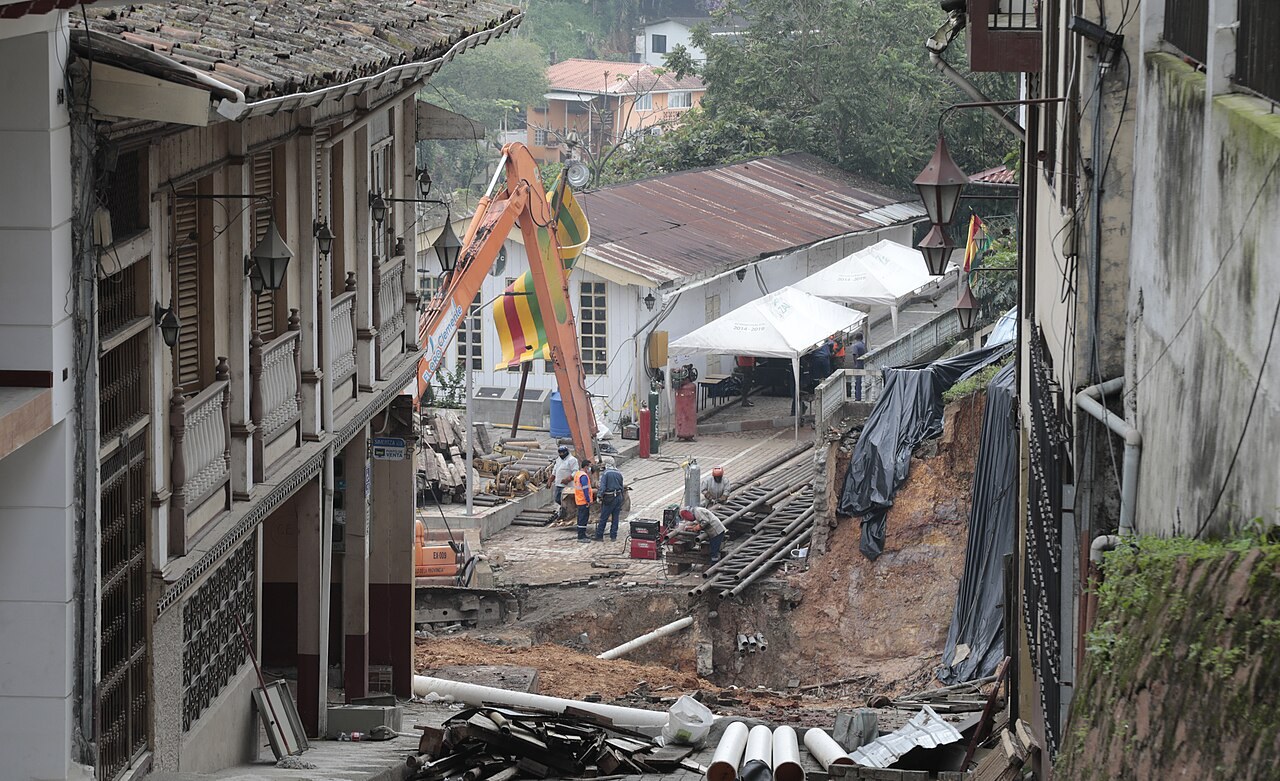
Soldiers and police ran seven simultaneous raids on illegal mining in four Ecuadorian provinces, the Defence Ministry said on 30 September. It estimated the damage to criminal groups at about US$1.83 million, close to US$2 million in some reports.
Seven raids in 48 hours
The operations took place over the previous 48 hours in Azuay, Carchi and Imbabura, three provinces in the Andes. The fourth, Morona Santiago, lies in the Amazon region near the border with Peru.
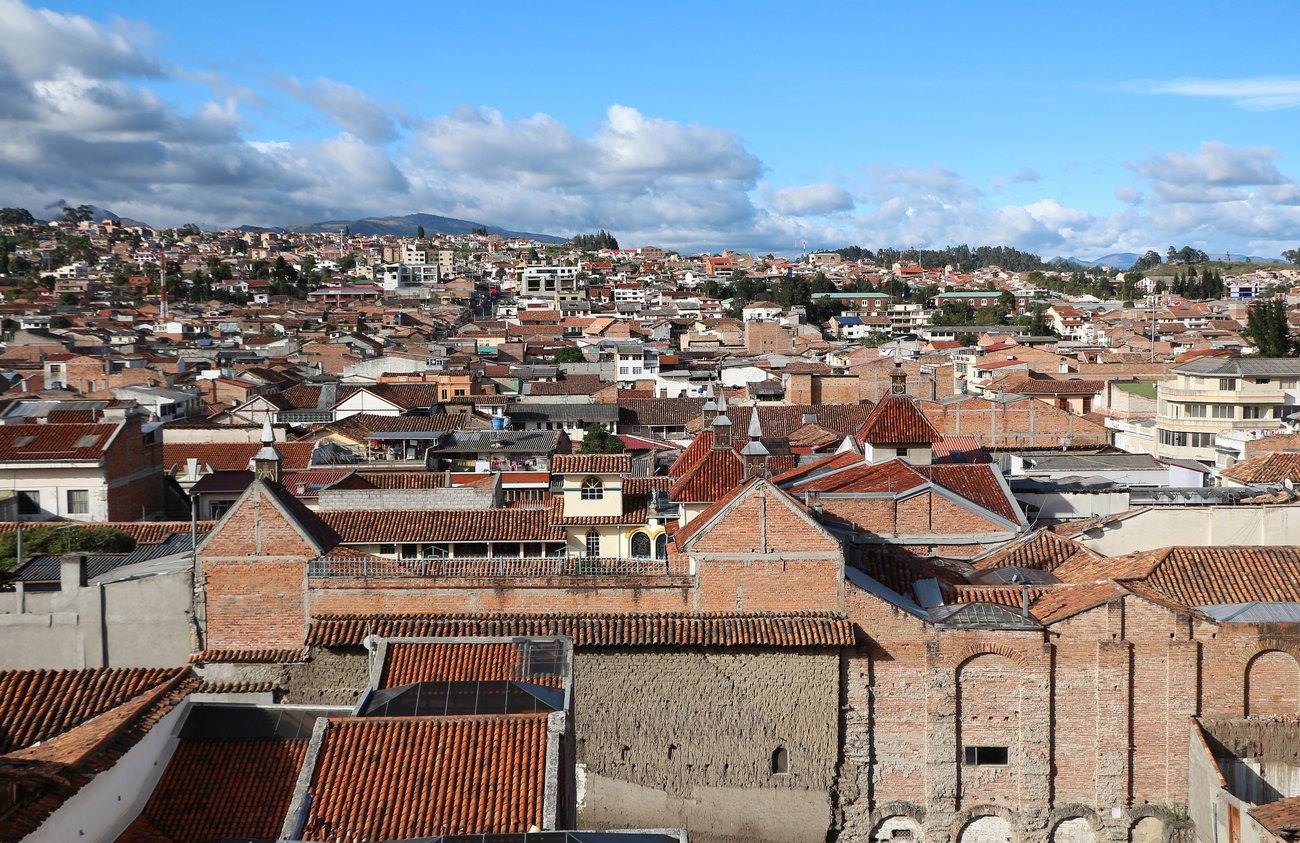
Carchi lies on the border with Colombia. Azuay’s capital, Cuenca, has a large community of foreign retirees, while the raids targeted remote mining areas in the countryside.
Troops and police dismantled camps and bocaminas, the entrances to underground mine shafts. They also disabled or seized machinery, fuel, tools and other supplies, El Comercio and La República reported.
The work was done by the Security Bloc, which joins the armed forces, the National Police and the National Intelligence Centre. Ecuador uses the US dollar as its currency.
What the money figure means
The Defence Ministry, quoted by the EFE news agency in La República, put the damage at about US$1.83 million. El Comercio reported a figure of more than US$1,869,100.
This is the value the state assigns to destroyed camps, equipment and material. It is not cash that the government has seized or recovered.
“Gold should create opportunities for people, not millions for the mafias,” the ministry said. It did not say how it values the losses, and no arrests were reported for these raids.
Part of a year-long offensive
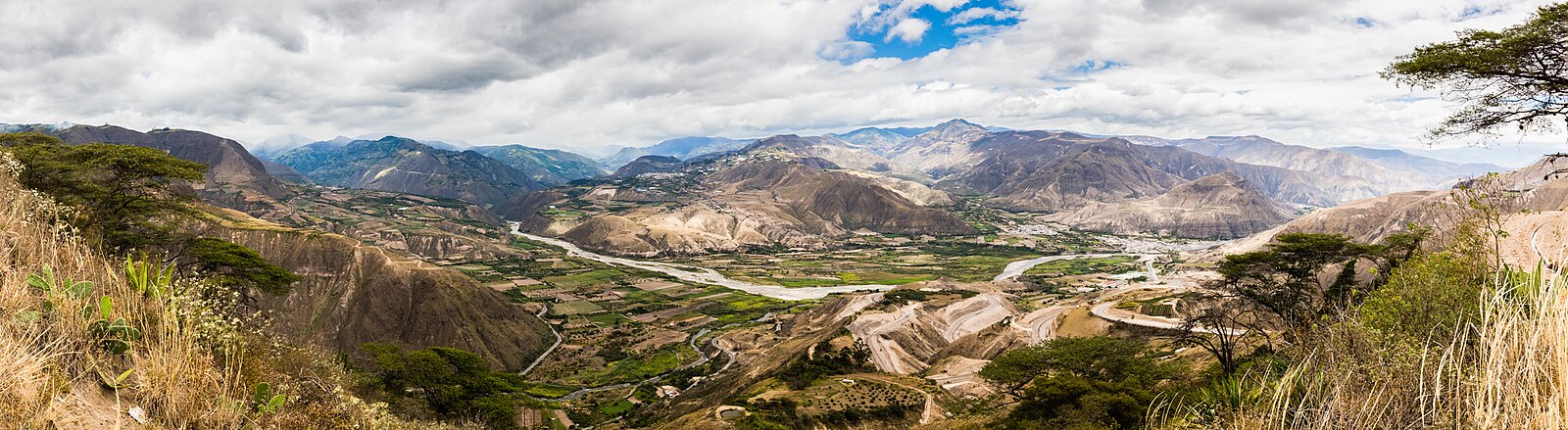
These raids continue a campaign under President Daniel Noboa that has used artillery and aircraft against mining camps. In September the army fired rockets at illegal gold mines in Imbabura province.
From 1 January to 10 September 2026, the ministry says, forces destroyed 1,119 camps and 1,748 mine entrances. They disabled 590 excavators, 537 sorting machines and 395 dredges, and seized 54,954 sacks of gold-bearing material.
The ministry values that damage at US$4.66 billion. That is its own estimate, not an audited figure.
Why gangs want gold
Ecuador stepped up its raids after 11 soldiers were killed in an ambush in the Amazon in May 2025, La República reported. The government blamed the Comandos de la Frontera, dissidents of Colombia’s former FARC guerrilla army.
It also links that group to Los Lobos, Ecuador’s largest criminal gang. Gold attracts such groups because prices are high and the metal is hard to trace, El Comercio wrote.
Illegal mining also clears forest and pollutes rivers with mercury and other heavy metals. That damage, the newspaper noted, is not included in the economic estimates.
The legal mining sector’s view
María Eulalia Silva leads the Ecuadorian Chamber of Mining, which represents formal mining companies. She called the state offensive “very positive”, El Comercio reported.
But she said raids alone are not enough. Judges, prosecutors, lawmakers and the financial intelligence unit must follow the money, the mercury and the machinery, she argued.
Formal mining is growing fast. Silva said mining exports reached US$2.6 billion in the first half of 2026 and could reach US$5 billion by year-end.
Mining was already Ecuador’s third-largest export in the first quarter of 2026, worth US$1.381 billion, El Comercio reported in May. Silva credits the rise mainly to international prices, especially for gold.
Gold rose above US$5,500 an ounce in January and still trades above US$4,000, she said. Investors, she added, need legal certainty that rules will not change during a project’s life.
A problem that crosses borders
In an editorial on 30 September, El Comercio said illegal gold exports had earned criminal groups more than US$1 billion. It argued that no country can fight the trade alone.
Ecuador and Peru already coordinate against illegal mining, including mirror military operations on each side of the border. The newspaper called for shared financial intelligence and regional tracking of gold.
What comes next
The raids show the state can reach remote mining zones. El Comercio warned that if the supply chains survive, gangs keep the capacity to rebuild their operations.
For investors in Ecuador’s legal mining sector, security and stable rules will decide where new capital goes.
More: Ecuador news, every day from The Rio Times.
Frequently Asked Questions
How much did illegal mining gangs in Ecuador lose?
The Defence Ministry estimated about US$1.83 million from seven raids reported on 30 September 2026. El Comercio reported more than US$1,869,100, close to US$2 million. The figure is a state valuation of destroyed assets, not seized cash.
Where were the raids against Ecuador illegal mining?
They took place in Azuay, Carchi and Imbabura in the Andes and in Morona Santiago in the Amazon region. Soldiers and police dismantled camps and mine entrances and disabled machinery.
Who runs illegal mining in Ecuador?
The government links it to criminal groups such as Los Lobos, Ecuador’s largest gang. It also blames the Comandos de la Frontera, dissidents of Colombia’s former FARC guerrillas, and high gold prices keep the trade attractive.
Sources: El Comercio · La República (EFE) · El Comercio (mining chamber) · El Comercio (editorial) · Ministry of Defence of Ecuador
Read More from The Rio Times