Ecuador Army Rocket Strikes Target Illegal Mining in Imbabura
ECUADOR · SECURITY
Key Facts
- —What happened The army said it intensified fire-support operations at two mining sectors in Imbabura province.
- —The weapons The Defense Ministry said troops used BM-21 multiple rocket launchers as fire support.
- —Where Mina Olivo and Mina Vieja, in Buenos Aires parish, Urcuquí canton, Imbabura.
- —The catch No casualty figures, damage totals or arrest numbers have been published for these operations.
- —The scale Ecuador destroyed 1,119 illegal mining camps between 1 January and 10 September 2026.
- —What comes next The military says operations will continue until it fully controls the area.
The Defense Ministry says troops fired BM-21 rockets at two mining sectors in Imbabura — and the army says the operations will go on.
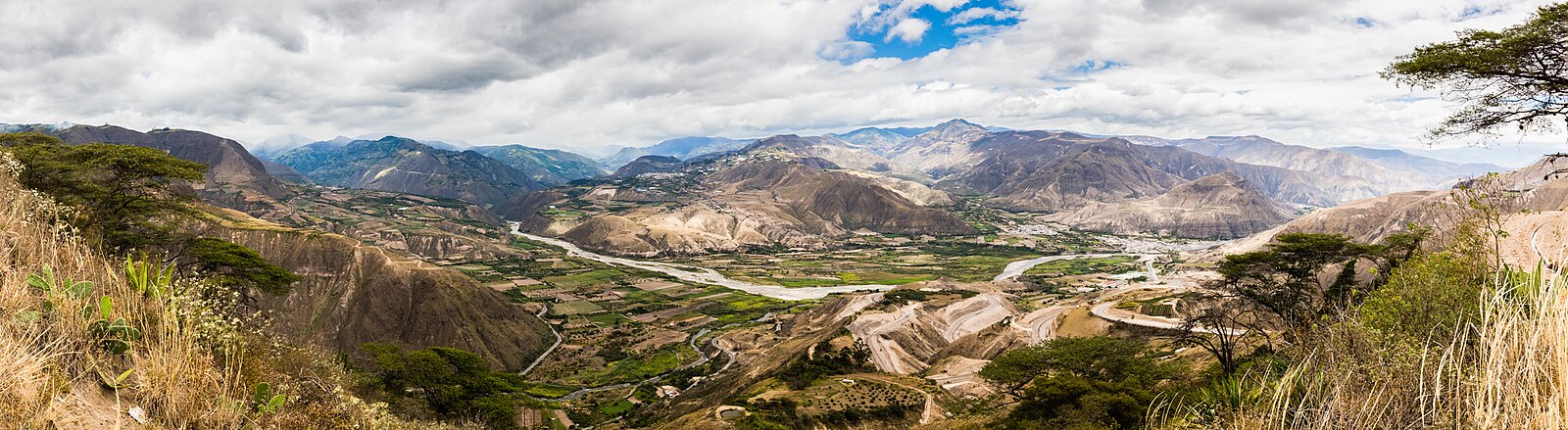
Ecuador army rocket strikes hit two illegal mining sectors in Imbabura province, the Defense Ministry said on Monday 21 September 2026. The army said soldiers had intensified fire-support operations at Mina Olivo and Mina Vieja, in Buenos Aires parish.
What the Military Announced
Ecuador’s army posted on Monday 21 September 2026 that soldiers had intensified fire-support operations in Urcuquí canton, Imbabura province. It named the Mina Olivo and Mina Vieja sectors, inside Buenos Aires parish.
The Defense Ministry said the Armed Forces used BM-21 multiple rocket launch systems during those operations. It described the rockets as fire support to protect troops advancing on the ground.
The ministry said targets were chosen beforehand by military intelligence, working with the national intelligence center. The stated aim was to cut the logistics of groups tied to illegal mining.
A BM-21 is a Soviet-designed, truck-mounted launcher that fires salvoes of 122mm rockets. Ecuador’s army has used the system against mining camps in this parish before.
The ministry said the operations were run by the Security Bloc, the joint military and police command. It said the aim was to stop criminal groups consolidating control of these sectors.
Where the Operations Happened
Buenos Aires parish sits in Urcuquí canton, in the northern Andean province of Imbabura. The area has been Ecuador’s busiest illegal gold frontier for years.
The army took control of Mina Vieja, Mina Nueva and El Olivo in October 2025. The Defense Ministry said then that illegal mining in Imbabura was over.
It was not. Troops have gone back into the same sectors through 2026, including in March, August and early September.
On 18 September 2026 the Armed Forces said they destroyed a base linked to the Oliver Sinisterra Front nearby. That group broke away from the Revolutionary Armed Forces of Colombia, or FARC.
The Armed Forces said they found 21 improvised explosive devices at that base. They also seized an M16 rifle and 888 rounds of 5.56mm ammunition.
How Big the Campaign Has Become
The Defense Ministry says security forces destroyed 1,119 illegal mining camps between 1 January and 10 September 2026. It also reported 1,748 mine entrances destroyed in the same period.
The ministry puts the financial damage to criminal groups at about US$4.66 billion. That figure is the government’s own estimate rather than an audited number.
Ecuador has treated illegal mining as organized crime since it declared an internal armed conflict in January 2024. Artillery and aircraft are now used against camps, not only police-style raids.
The harder line followed an ambush at Alto Punino, in Napo province, in May 2025. Eleven soldiers were killed there during an operation against illegal mining.
The same ministry count lists 590 excavators, 537 sorting machines and 395 dredges disabled this year. It also records 54,954 sacks of gold-bearing material seized.
Why Ecuador Army Rocket Strikes Matter for Investors
Imbabura is not remote jungle. It lies on the highland route between Quito and the Colombian border, close to Otavalo and Ibarra.
Legal projects share ground with illegal workings here. Hanrine, a unit of Australia’s Hancock Prospecting, holds concessions in the same parish.
For companies, the practical effect is longer timelines, heavier security costs and tense relations with nearby communities. For residents, it means artillery fire in farming country.
The army has not said how long this phase of operations will last. It has not given troop numbers for the current deployment either.
What Is Still Not Known
No casualty figures have been published for the September operations. The army and the Defense Ministry have not reported deaths, injuries or arrests from them.
There is also no published tally of camps, tunnels or machinery destroyed in this round. Earlier operations in the same sectors came with detailed loss estimates.
Imbabura is not covered by the 60-day state of exception signed on 15 September 2026. That decree named eight provinces and three cantons, and Imbabura was not among them.
The military says it acts under the constitution and current law. It has not named a specific decree or court order for these operations.
Gian Carlo Loffredo is still Ecuador’s defense minister and has led operations in this parish in person. The ministry’s published bulletin list still ends at 15 September 2026.
What This Means for Readers
If you live near Buenos Aires parish, expect patrols, checkpoints and the sound of heavy weapons. The army says its presence in the parish is permanent.
If you hold Ecuadorian mining assets, treat Imbabura as an active security zone. Permits, access and transport can stall without much warning.
The parish also has a long history of local opposition to mining of any kind. Communities in Urcuquí have blocked roads and gone to court over concessions.
Mining camps have returned to these sectors after every operation since October 2025. That pattern is the best guide to what happens next.
The next official bulletin will show whether this phase changed anything on the ground.
Frequently Asked Questions
Did Ecuador’s army really use rockets against illegal mining sites?
Yes. The Defense Ministry said the Armed Forces used BM-21 multiple rocket launchers at Mina Olivo and Mina Vieja, in operations announced on 21 September 2026. The army’s own post described intensified fire-support operations in the same sectors.
Where exactly did this happen?
In the Mina Olivo and Mina Vieja sectors of Buenos Aires parish, Urcuquí canton, Imbabura province, in northern Ecuador.
Why does this matter to expats and investors in Latin America?
Ecuador is using military artillery against criminal economies inside its own territory. That changes how risk is judged in mining regions and the towns around them.
Sources: Ecuadorian Army (@EjercitoECU) post, 21 September 2026; Ministry of National Defense statements and bulletins Nos. 241 and 242, September 2026; Teleamazonas; El Comercio; El Universo; Expreso; Telemar TV; AFP; Crikey.
This article was produced by The Rio Times’ automated newsroom system. How we use AI · Report an error
Read More from The Rio Times