DR Congo Ebola Funding Reaches US$887 Million After New Pledge
DR CONGO · HEALTH FUNDING
Key Facts
- —The pledge The State Department announced US$267 million more for the Ebola response on 23 September 2026.
- —The running total Washington says it has now provided US$887 million in direct health and humanitarian assistance.
- —Who pays Over US$780 million comes from the State Department, the rest from the disease control agency CDC.
- —The toll Congo recorded 7,773 confirmed cases and 3,759 deaths by 21 September 2026, its health institute says.
- —The wider gap The United Nations plan for the outbreak is US$2.13 billion and remains about 48 percent funded.
- —The catch Donors use pledged, committed and disbursed to mean different things, so real cash delivery stays unclear.
The State Department says the United States has now provided US$887 million for the Ebola response in central Africa. The harder question is how much of that money has reached the ground.
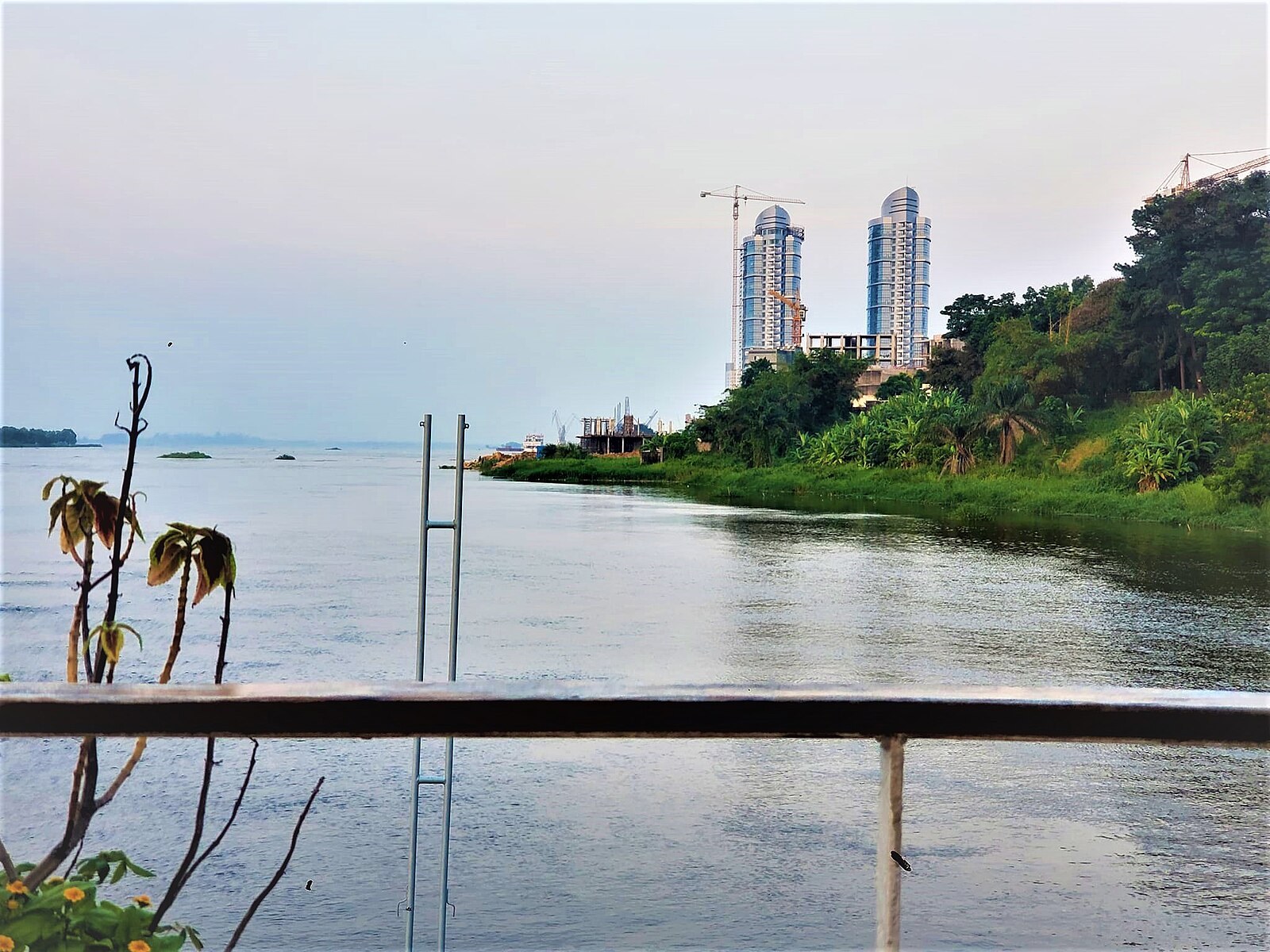
The United States added US$267 million to DR Congo Ebola funding on Wednesday 23 September 2026. That lifts the American total to US$887 million.
What The New US$267 Million Buys
The State Department said the money will pay for new Ebola treatment units and more burial teams. It also covers protective equipment, wider surveillance, health supplies and contact tracing.
The announcement was made in New York during the high-level week of the 81st United Nations General Assembly. No spending timetable was attached to the sum.
The State Department disburses this money itself, not an aid agency. The US Agency for International Development was shut in 2025 and its emergency work moved to a new State bureau.
That bureau, the Bureau of Disaster and Humanitarian Response, opened in March 2026 with about 200 staff. The Centers for Disease Control and Prevention, or CDC, runs the technical side.
How DR Congo Ebola Funding Adds Up
Washington says it has provided US$887 million in direct health and humanitarian assistance for this outbreak. More than US$780 million of that came from the State Department.
The rest, about US$107 million, is emergency money the CDC activated on 18 June 2026. That split matters because the two agencies report on different schedules.
Some reports give the total as US$886 million. The issuing agency, the State Department, puts it at US$887 million.
At the Group of Seven summit in Évian on 16 June 2026, Washington promised up to US$500 million more. It has now announced US$242 million in August and US$267 million in September.
The State Department says the new sum fulfils that promise. The two announcements together come to US$509 million.
Pledged Is Not The Same As Spent
The State Department says it has provided the money, not merely promised it. Independent trackers are less sure that the cash has reached the outbreak zone.
A review published on 21 September 2026 by Health Policy Watch found the language itself is slippery. Words such as mobilised, committed, allocated, pledged and disbursed are used as if they meant the same thing.
Its author, the global health specialist Mukesh Kapila, estimates about US$1.5 billion of a US$3 billion ask is secured. He adds that budget execution rates in such responses tend to be low.
The clearest ground-level sign is pay. Health workers in the response have gone on strike over wages that arrived late or short.
Several plans are competing for the same donor money. The Congolese government launched a revised US$1.3 billion plan in September, alongside a US$518 million continental plan.
The United Nations humanitarian plan for the outbreak is US$2.13 billion. It was about 48 percent funded in late August, leaving a gap near US$1.1 billion.
The Outbreak Behind The Money
The Congolese public health institute recorded 7,773 confirmed cases and 3,759 deaths by 21 September 2026. European health authorities publish the same figures from the Congolese daily reports.
The World Health Organization counted 6,757 confirmed cases and 3,269 deaths up to 7 September 2026. The difference is timing, not disagreement, because confirmation lags behind reporting.
The virus is the Bundibugyo type of Ebola. The World Health Organization called the epidemic a public health emergency of international concern on 17 May 2026.
Uganda’s linked outbreak was declared over on 25 August 2026 after 20 cases. Congo’s six affected provinces remain the centre of the response.
Why This Matters For Business In Africa
Donor money sets the pace of screening, transport and border health rules across the region. Those rules decide how quickly goods and staff move.
State Department money has paid for 8.6 million health screenings and 292 metric tons of supplies. It also backs 23 treatment centres and 235 health facilities.
For firms with staff or suppliers in the region, that screening network is the practical link. If it thins, delays at borders and airports follow.
Ituri province accounts for about three quarters of Congo’s confirmed cases. That is close to mining and trade corridors that matter well beyond Congo.
What Is Still Unclear
The State Department did not say over what period the US$267 million will be spent. It also did not break the sum down by partner or by province.
There is no public figure for how much of the US$887 million has actually been paid out. Nor is there an audited count of what donors as a group have delivered.
Other governments have not yet matched the American move in New York this week. The next State Department response update should show how fast the new money moves.
Frequently Asked Questions
How much has the United States given for the Ebola response?
DR Congo Ebola funding from the United States now totals US$887 million, the State Department said on 23 September 2026. More than US$780 million of that came from the department itself.
How many people have died in the outbreak?
Congo’s public health institute recorded 3,759 deaths and 7,773 confirmed cases by 21 September 2026. The World Health Organization’s last full count was 3,269 deaths up to 7 September 2026.
Is the wider response fully funded?
No. The United Nations plan for the outbreak is US$2.13 billion and was about 48 percent funded in late August 2026, leaving roughly US$1.1 billion outstanding.
Connected Coverage
Ebola in Congo Passes 7,000 Cases as Countries Close Borders
Sources: Figures from the US Department of State, the US Centers for Disease Control and Prevention, the World Health Organization, the European Centre for Disease Prevention and Control drawing on Congo’s Institut National de Santé Publique, the G7 Evian summit, United Nations News and Health Policy Watch.
This article was produced by The Rio Times’ automated newsroom system. How we use AI · Report an error
Read More from The Rio Times