IBOV 208,763.59 ▲ 8.67% IPSA 11,018.02 ▲ 0.93% IPC MEX 64,531.68 ▲ 1.10% MERVAL 2,841,487 ▲ 2.67% COLCAP 2,538.58 ▲ 0.94% BVL PERÚ 59,751.67 ▲ 0.18% USD/BRL4.99▼ 4.38% USD/MXN18.13▼ 0.21% USD/CLP973.66▼ 1.70% USD/COP3,218▼ 1.13% USD/PEN3.41▼ 0.61% USD/ARS1,524▼ 0.04% USD/UYU40.34▼ 0.30% USD/PYG5,844▲ 0.40% USD/BOB11.95▲ 0.17% USD/DOP59.83▼ 0.12% USD/CRC455.71▼ 0.15% USD/GTQ7.63▼ 0.09% USD/HNL26.86▼ 0.01% USD/NIO36.62— 0.00% USD/VES869.19▼ 0.13% USD/PAB1.00— 0.00% USD/BZD2.00— 0.00% USD/JMD 157.28 — 0.00% USD/TTD6.68▼ 0.14% EUR/BRL5.58▼ 5.24% BRENT 88.88 ▼ 0.03% WTI 83.11 ▼ 0.11% IRON ORE 161.91 — — COPPER 6.61 ▲ 0.03% GOLD 4,461 ▲ 1.78% SILVER 65.59 ▲ 1.26% SOY 1,184 ▲ 3.20% CORN 480.50 ▲ 10.02% WHEAT 655.00 ▲ 3.93% COFFEE 317.25 ▼ 5.51% SUGAR 16.43 ▼ 1.79% ORANGE JUICE 138.55 ▼ 0.47% COTTON 85.03 ▲ 2.33% COCOA 5,719 ▲ 3.18% BEEF 223.60 ▼ 3.93% CATTLE 339.10 ▼ 3.16% LITHIUM 75.20 ▲ 1.47% PETR4 41.64 ▼ 0.05% VALE3 72.97 ▲ 0.83% ITUB4 38.60 ▼ 1.03% BBDC4 16.85 ▲ 0.36% ABEV3 14.89 ▼ 0.80% BBAS3 19.37 ▲ 0.47% B3SA3 14.26 ▼ 0.21% WEGE3 47.59 ▲ 0.49% PRIO3 59.14 ▼ 0.19% SUZB3 41.33 ▲ 2.35% RENT3 34.68 ▼ 0.09% AZZA3 15.89 ▼ 2.63% CSAN3 3.22 ▼ 1.83% RAIZ4 0.25 — 0.00% PCAR3 2.75 ▼ 0.36% GMAT3 3.65 ▼ 1.08% PSSA3 48.13 ▼ 0.54% CVCB3 1.33 ▼ 2.92% POSI3 3.36 ▲ 2.44% SLCE3 13.34 ▲ 0.30% NATU3 8.14 ▼ 0.73% IBOV 208,763.59 ▲ 8.67% IPSA 11,018.02 ▲ 0.93% IPC MEX 64,531.68 ▲ 1.10% MERVAL 2,841,487 ▲ 2.67% COLCAP 2,538.58 ▲ 0.94% BVL PERÚ 59,751.67 ▲ 0.18% USD/BRL 5.16 ▲ 0.01% USD/MXN 17.06 ▼ 0.24% USD/CLP 913.98 ▲ 0.04% USD/COP 3,140 ▲ 0.03% USD/PEN 3.36 ▼ 0.66% USD/ARS 1,493 ▲ 0.10% USD/UYU 40.27 ▲ 1.24% USD/PYG 5,939 ▲ 1.68% USD/BOB 11.64 ▼ 0.76% USD/DOP 58.34 ▲ 1.25% USD/CRC 445.92 ▲ 0.89% USD/GTQ 7.62 ▲ 2.21% USD/HNL 26.79 ▲ 1.57% USD/NIO 36.62 ▲ 0.69% USD/VES 762.44 ▼ 0.13% USD/PAB 1.00 — 0.00% USD/BZD 2.00 — 0.00% USD/JMD 157.28 — 0.00% USD/TTD 6.70 ▲ 0.61% EUR/BRL 5.95 ▲ 1.01% BRENT 88.88 ▼ 0.03% WTI 83.11 ▼ 0.11% IRON ORE 161.91 — — COPPER 6.61 ▲ 0.03% GOLD 4,461 ▲ 1.78% SILVER 65.59 ▲ 1.26% SOY 1,184 ▲ 3.20% CORN 480.50 ▲ 10.02% WHEAT 655.00 ▲ 3.93% COFFEE 317.25 ▼ 5.51% SUGAR 16.43 ▼ 1.79% ORANGE JUICE 138.55 ▼ 0.47% COTTON 85.03 ▲ 2.33% COCOA 5,719 ▲ 3.18% BEEF 223.60 ▼ 3.93% CATTLE 339.10 ▼ 3.16% LITHIUM 75.20 ▲ 1.47% PETR4 41.64 ▼ 0.05% VALE3 72.97 ▲ 0.83% ITUB4 38.60 ▼ 1.03% BBDC4 16.85 ▲ 0.36% ABEV3 14.89 ▼ 0.80% BBAS3 19.37 ▲ 0.47% B3SA3 14.26 ▼ 0.21% WEGE3 47.59 ▲ 0.49% PRIO3 59.14 ▼ 0.19% SUZB3 41.33 ▲ 2.35% RENT3 34.68 ▼ 0.09% AZZA3 15.89 ▼ 2.63% CSAN3 3.22 ▼ 1.83% RAIZ4 0.25 — 0.00% PCAR3 2.75 ▼ 0.36% GMAT3 3.65 ▼ 1.08% PSSA3 48.13 ▼ 0.54% CVCB3 1.33 ▼ 2.92% POSI3 3.36 ▲ 2.44% SLCE3 13.34 ▲ 0.30% NATU3 8.14 ▼ 0.73%
since 2009
Monday, October 5, 2026

Does Uruguay seek to ban synthetic meat?

By · June 1, 2023 · 2 min read

The South American country could continue the path initiated a few years ago to limit the commercialization of the product within its borders.

A bill could eventually prohibit the importation and processing of laboratory-produced food.

In Uruguay, where beef production and consumption play a central role, synthetic meat threatens its livestock economy.
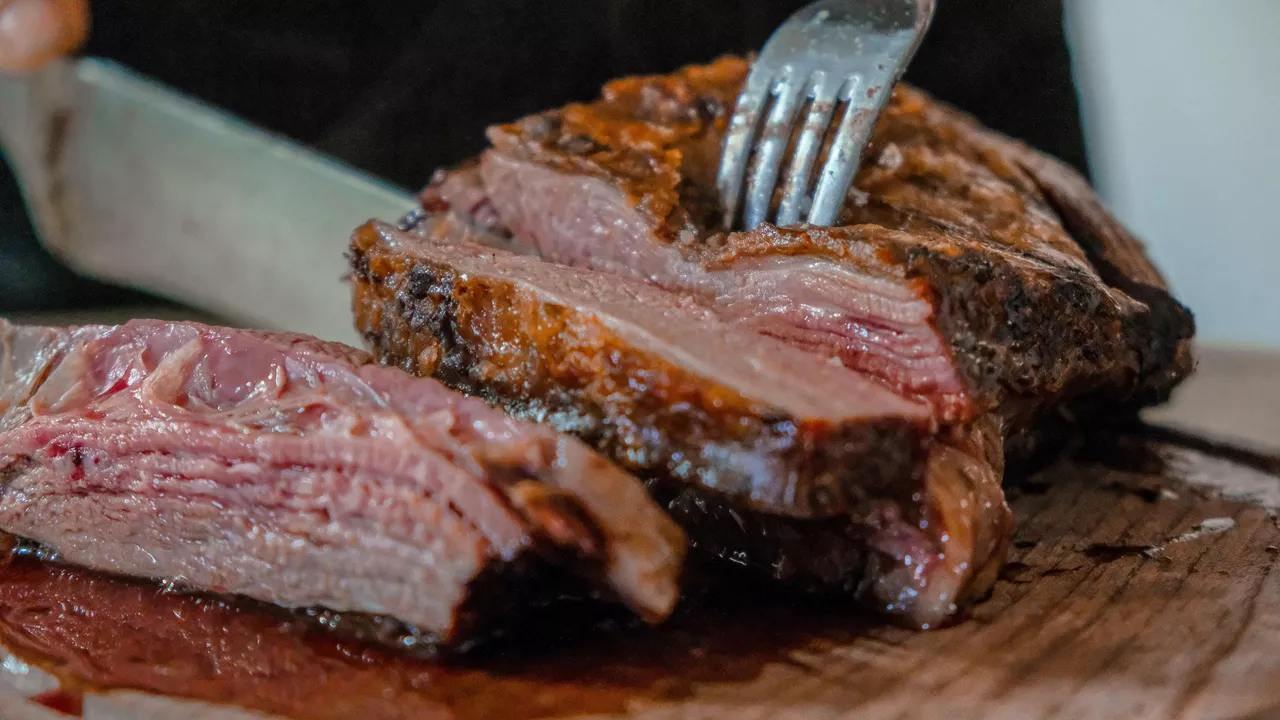
The consumption of synthetic meat has already caused controversy in the country
RT
Ask Rio Times
17 years of Latin America reporting, on demand.
Open the full Ask Rio Times →

The ruling National Party senator, Sebastián Da Silva, a rural producer, announced that he would promote a law prohibiting the importation and manufacture of laboratory-produced meat in the country.

This regulation seeks to defend natural food and anticipate future problems that Uruguay could face if the demand for synthetic meat increases considerably, which is still far off.

The LatAm Brief

One email, every weekday morning. What moved in Latin American markets, politics and expat life.

Yesterday’s subject line: “Brazil runoff set: Flávio 47%, Lula 45%, 25 October”

Free. We send a confirmation link first — nothing arrives until you click it. Unsubscribe with one click in any edition. If you stop opening us for 30 days we stop sending by ourselves, as we assume the interest is no longer there. See our privacy policy. We never share your email.

The legislator expects to be able to present the bill in the framework of Accountability that will be analyzed in the Uruguayan Parliament in the coming weeks.

Da Silva told Telemundo that the legislation, which has the support of the National Party, will be “negotiated” within the government coalition.

“Existing research shows that these experiments are not safe for health,” but rather “poison people,” said the proponent of the proposal.

With over 400 years of cattle farming, the country took the first measures against synthetic meat in 2020, with the Budget Law for 2020-2024.

Article 292 of the regulation states that “food containing animal culture cells artificially produced in a laboratory” cannot be identified as meat.

“They may not be used to refer to them, advertise or market names associated with products of animal origin and their derivatives, or use any label, commercial document, description or pictorial representations, advertising material or form of advertising and representation that indicates, implies or suggests that it is a food of animal origin and its derivatives,” the text expresses.

The consumption of synthetic meat has already caused controversy in the country.

In 2021, Microsoft co-founder Bill Gates encouraged rich countries to consume this type of protein, considering it a way to reduce greenhouse gases from livestock farming.

The authorities linked to agriculture in Uruguay defended the way of producing in the country, which they described as environmentally friendly.

With information from Sputnik

News Uruguay, English news Uruguay, Uruguayan politics

Editorial responsibility: Matthias Camenzind, Editor-in-Chief · Editorial standards · Report an error

The Rio Times · Power Map
See who really holds power in Latin America
Click to open the Power Map →

Rotate for Best Experience

This report is optimized for landscape viewing. Rotate your phone for the full experience.