Best Places to Live in Uruguay for Expats 2026, Ranked

Expats · Uruguay
For most American expats, the best place to live in Uruguay is Montevideo, and above all its coastal neighbourhoods of Pocitos, Punta Carretas and Carrasco. Colonia del Sacramento and the Atlantic coast around Punta del Este rank next for lifestyle, but both are far thinner on year-round services. The US State Department rates Uruguay Level 2, “exercise increased caution”, mainly because of crime.
Key Facts
—Who. American retirees, remote workers and families weighing a small country of about 3.5 million people on the River Plate.
—What. Five areas ranked on safety, rent, healthcare access and day-to-day services: Montevideo’s coast, Colonia del Sacramento, Punta del Este and Maldonado, the Costa de Oro in Canelones, and Rocha’s beach towns.
—Why it matters. Uruguay recorded 10.3 homicides per 100,000 people in 2025, and the State Department names four departments for crime, so the choice of neighbourhood matters as much as the choice of city.
—Cost. Montevideo rents range from about US$600 to US$2,500 a month depending on district and building, with the most fashionable areas at the top of that range.
—Safety. State Department advisory Level 2 of 4, issued on 28 July 2026, names Montevideo, Canelones, Maldonado and Rivera as the departments where crime is most common.
The Short Answer: Montevideo’s Coast First
Pocitos, Punta Carretas and Carrasco rank first because they combine walkable streets, private clinics and international schools in one stretch along the River Plate. They are also where most foreign newcomers rent, which makes finding English-speaking landlords and doctors easier.
Outside the capital, services thin out fast. Colonia del Sacramento and Punta del Este suit people who want a calmer or more scenic life and accept longer trips for specialists, large shops and airports.
How We Ranked the Places, and What Washington Says
We scored each area on four things: the official crime picture, typical rent, access to healthcare and schools, and how easy it is to arrive and settle as a foreigner. Where official data stops at the national or department level, we say so rather than guess at neighbourhood figures.
The US State Department rates Uruguay Level 2 of 4, “exercise increased caution”, in an advisory issued on 28 July 2026. It lists homicide, armed robbery, carjacking and theft, and names the departments of Montevideo, Canelones, Maldonado and Rivera as the places where crime is most common.
Uruguay’s Interior Ministry recorded 371 homicides in 2025, a rate of 10.3 per 100,000 people, down from 10.7 the year before. It attributes 57% of them to conflicts between criminal groups and drug trafficking.
1. Montevideo: Pocitos, Punta Carretas and Carrasco
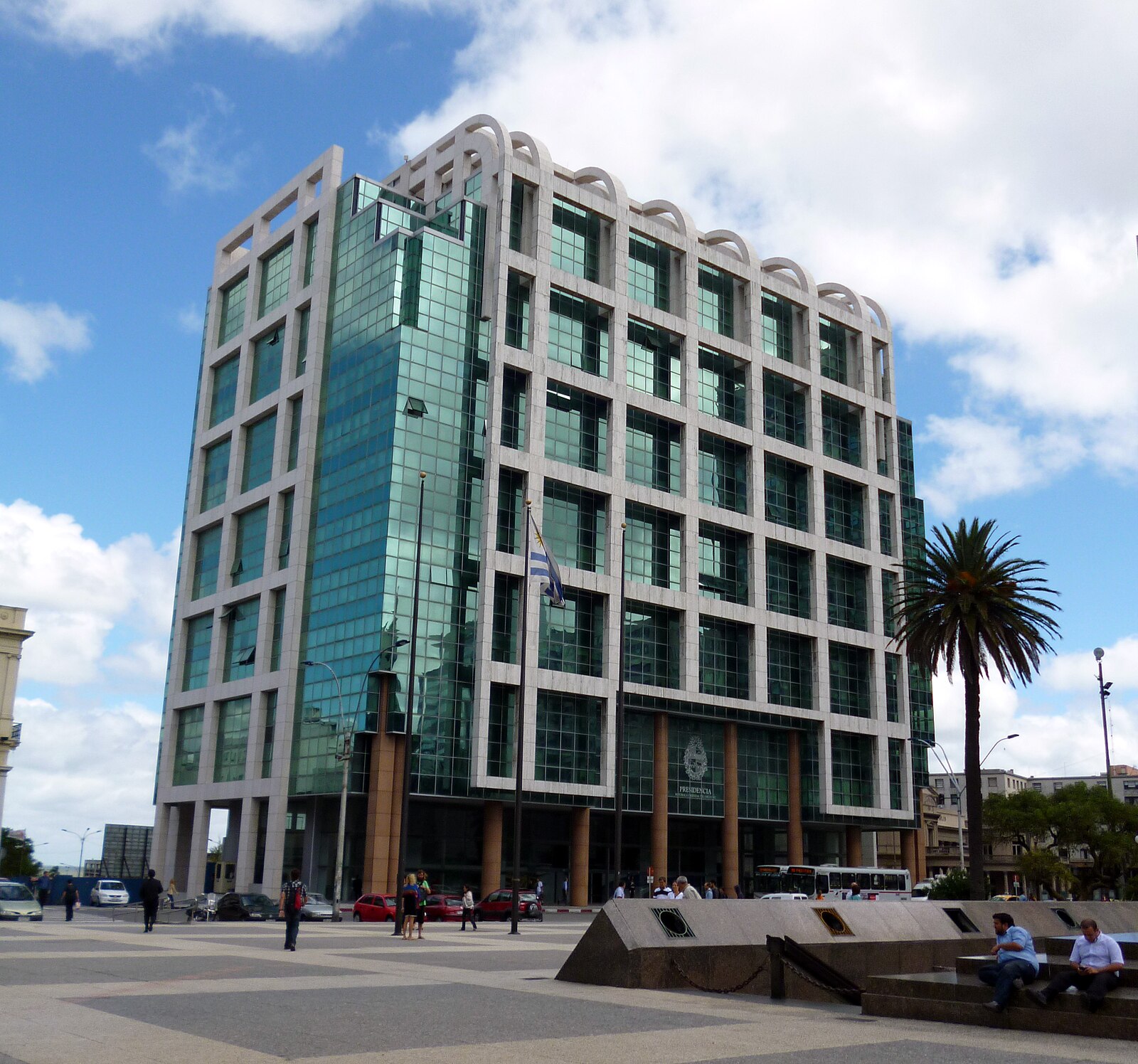
Montevideo is the capital and by far the largest city, with about 1.3 million people in the department, according to the 2023 census. It holds the main hospitals, the international schools, the airport link and most jobs.
Relocation firm Migronis estimates rents of US$1,500 to US$2,500 a month in Punta Carretas, which it calls the most fashionable and expensive district. It puts Pocitos, Buceo and Malvín at US$600 to US$2,500 depending on the building, and Carrasco houses at US$2,500 to US$4,000.
Pocitos sits on the Rambla, the seafront promenade, and is the easiest first stop for single people and couples. Carrasco is leafy and suburban, and the same firm describes it as the usual choice for families with school-age children.
The centre and Ciudad Vieja are cheaper, but the old city is quiet at night. Newcomers who want a lower rent should look at Prado or Malvín before the old city.
2. Colonia del Sacramento
Colonia del Sacramento is a small river town whose historic quarter is a UNESCO World Heritage site. A ferry crosses the River Plate to Buenos Aires, which suits people who split their time between the two countries.
It is quiet, walkable and popular with remote workers. The trade-off is a small local market for specialist medicine, so major procedures usually mean a trip to Montevideo.
3. Punta del Este and Maldonado
Punta del Este is Uruguay’s resort capital, and Maldonado is the neighbouring city where year-round life is cheaper and more ordinary. Rents in the resort jump in the southern summer, so annual leases are harder to find from December to February.
Maldonado is one of the departments the State Department names for crime, so the same street-level caution applies as in Montevideo. Anyone thinking of buying should take local legal advice first.
4. The Costa de Oro in Canelones
The coast east of Montevideo, including Ciudad de la Costa and Atlántida, offers houses and gardens at lower prices than the capital’s best districts. Daily commutes by bus or car are the cost, and Canelones is also on the State Department’s crime list.
This belt works best for people who work from home and want space. It is a poor fit for anyone who relies on public transport at night.
5. Rocha: La Paloma and Punta del Diablo
Rocha’s Atlantic beach towns are the most laid-back option, with surf, dunes and a strong seasonal rhythm. Services are limited in winter, and the nearest large hospitals are a long drive away.
Treat them as a second home or a lifestyle experiment first. They are a poor base for a family or for anyone with ongoing medical needs.
Entry, Residency and Tax: What the Rules Say
Uruguay’s migration office, the Dirección Nacional de Migración, says temporary residency covers stays of more than 180 days and less than two years. Citizens of Mercosur member and associated countries can apply for a temporary residency of up to two years that is renewable once for the same period.
Legal residency also leads to a Uruguayan identity card, the cédula, which is needed for many everyday services. Applicants should check the current document list on the government portal gub.uy before booking an appointment.
Taxes changed this year. EY reports that Decree 188/026 of 10 August 2026 amended the tax holiday for new residents. Our tax explainer sets out the details, and anyone planning a move should take advice before choosing a place to live.
What It Means for You
For a first year, a furnished rental in Pocitos or Carrasco gives the safest trial of Uruguay at a fixed cost. Moving to the coast or the countryside can come later, once you know how you use healthcare and transport.
Budget in dollars but expect to pay rent in pesos or dollars depending on the landlord. At about 40.1 pesos per dollar (EODHD, 20 October), a US$1,200 rent is roughly 48,100 pesos.
What to Watch
Uruguay’s annual inflation was 4.68% in September, and the October reading is due in early November. The EODHD economic calendar shows a forecast of 4.8%.
What Is Not Known
No official source gives neighbourhood-level crime rates for Montevideo, so the district comparisons here rest on department data and relocation-firm descriptions. Rent estimates also vary by building and season, and none of the figures here is a quote from a landlord.
Frequently Asked Questions
What is the best place to live in Uruguay for expats?
Montevideo’s coastal districts of Pocitos, Punta Carretas and Carrasco are the most practical base for most foreigners. They combine private healthcare, schools, shops and the airport link in one area.
Is Uruguay safe for American expats?
The US State Department rates Uruguay Level 2 of 4, “exercise increased caution”, mainly because of crime in Montevideo, Canelones, Maldonado and Rivera. The Interior Ministry recorded a homicide rate of 10.3 per 100,000 people in 2025.
How much does it cost to rent in Montevideo?
Relocation firm Migronis estimates US$600 to US$2,500 a month in Pocitos, Buceo and Malvín and US$1,500 to US$2,500 in Punta Carretas. Prices vary widely by building and season.
Is Punta del Este a good place to live all year?
It suits people who like beach life, but rents rise sharply in summer and many services are seasonal. Maldonado, next door, is cheaper and more suited to year-round residents.
How long does temporary residency in Uruguay last?
Uruguay’s migration office says temporary residency covers stays of more than 180 days and less than two years. Check the current entry rules for your passport on the official portal before you travel.
Is Uruguay expensive for expats?
Migronis estimates that a family of four needs about US$3,500 a month in Montevideo before rent, including groceries, utilities, healthcare cover and transport. Rent and school fees come on top.
Sources
- US State Department, Uruguay travel advisory
- Montevideo Portal, Interior Ministry 2025 yearbook
- Uruguay government portal, temporary legal residency
- Migronis, living in Montevideo in 2026
- EY Global Tax News, Uruguay amends tax holiday regime
Read next: healthcare in Uruguay for expats, how safe Uruguay is, the 2026 expat tax rules and Uruguay versus Paraguay. More in our Uruguay hub.
This article was produced by The Rio Times’ automated newsroom system. How we use AI · Report an error · Editorial responsibility: Matthias Camenzind, Editor-in-Chief
Expat Guide to Uruguay
What The Rio Times publishes for foreigners who live in or move to Uruguay.
Start here
- Cost of Living Punta del Este 2026: Half Again Above Montevideo
- Uruguay vs Paraguay for Expats in 2026: Cheap Living or a Tax Holiday
- Uruguay Residency Visa Rules and the 12 Percent Tax on Foreign Income
- Opening a Bank Account in Uruguay as a Foreigner
City guides
Coming up in Uruguay
- Milongas Extremas Zitarrosa Tribute Set for 22 October 2026 in Uruguay 22 Oct
- La Delio Valdez in Montevideo, Uruguay: Argentine Cumbia Orchestra Plays Teatro de Verano on 24 October 24 Oct
- Camilo in Montevideo, Uruguay: Colombia's Pop Star at the Antel Arena on October 28, 2026 28 Oct
- Antel Campus Party Hits Montevideo, Uruguay 30–31 Oct 30 Oct
Understand Uruguay