Cuba Tourism Falls 62.8 Percent in the First Seven Months

CUBA · ECONOMY
Key Facts
- —The number International visitors fell 62.8 percent in January to July 2026 against the same months of 2025.
- —The arrivals 419,863 visitors this year, against 1,128,831 last year.
- —The gap That is 708,968 fewer people in seven months.
- —The catch Headlines rounding this to 62 percent understate it. The official figure from ONEI is 62.8.
- —The trend Fewer than 360,000 came in the first five months, down 58.4 percent year on year.
- —The baseline Cuba received about 4.7 million tourists in 2018.
This story is part of our coverage of the Cuba US tensions. Who backs Havana, the blackouts, the embargo vote and what it means for travellers are in our dossier.
Cuba tourism did not slow this year. It lost more than 700,000 visitors in seven months, and the official numbers say so.
Cuba tourism has not declined this year. It has collapsed.
International visitors between January and July fell 62.8 percent. The figure comes from the national statistics office, ONEI.
In absolute terms, 419,863 people arrived. The same seven months of 2025 brought 1,128,831.
That is 708,968 fewer visitors. The gap is larger than the total arrivals this year.
How Far Cuba Tourism Has Fallen
The five-month figure told a similar story. Fewer than 360,000 visitors arrived by the end of May, down 58.4 percent.
So the decline deepened rather than levelled off. June and July did not arrest it.
The longer baseline is starker. Cuba received about 4.7 million tourists in 2018, its recent high point.
Even 2024 and 2025 came in around 2.2 to 2.3 million. This year is running at a fraction of that.
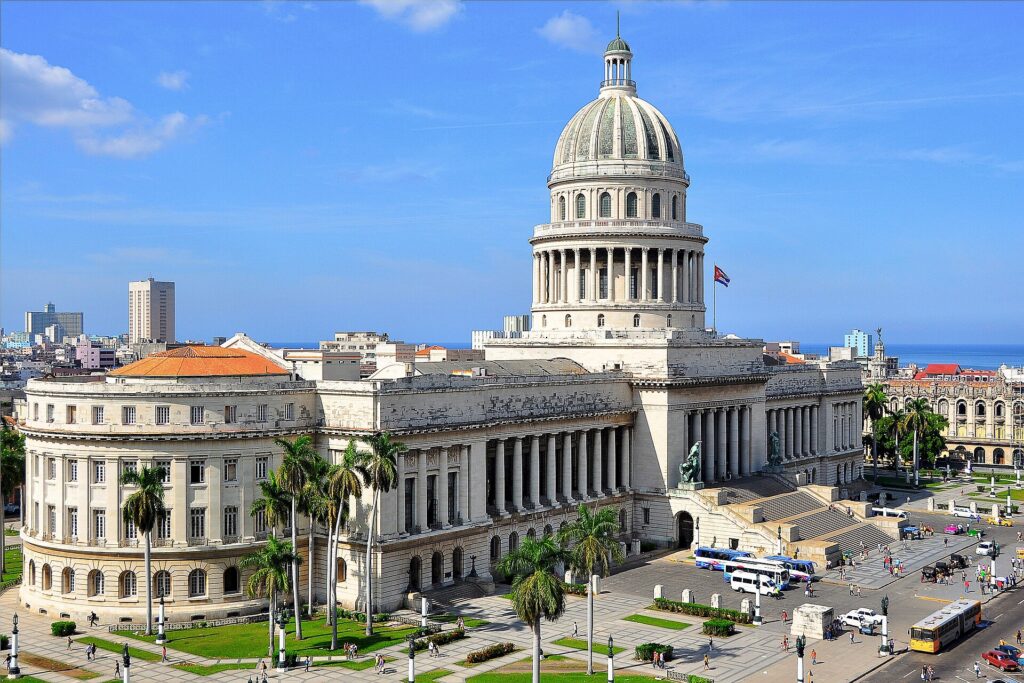
Why the Exact Figure Matters
Several reports round the decline to 62 percent. The official number is 62.8.
At this scale the difference is roughly nine thousand people. That is small against the total and large against a rounding error.
There is also a definitional point. Some sources count international visitors and others count total tourists, which includes Cubans living abroad.
The 62.8 percent figure refers to international visitors as ONEI reports them. Comparisons across sources should check which measure is being used.
What This Means for Cuba
Tourism has been the island’s main source of hard currency for three decades. Nothing has replaced it.
Hard currency pays for fuel, food imports and medicine. A collapse in arrivals therefore shows up in daily life quickly.
The island has faced prolonged electricity shortages and shortages of basic goods. Those conditions also discourage visitors, which makes the problem circular.
Hotel capacity has continued to be built through this period. Occupancy rather than capacity is the binding constraint.
For Travellers
Anyone planning a trip should expect reduced services rather than crowds. Power interruptions have affected hotels as well as homes.
Cash matters more than usual. Card payments are unreliable for foreign visitors and many services require cash in hand.
None of that is a recommendation either way. It is what the arrival numbers imply about conditions on the ground.
What to Watch
The first marker is the winter season. November to March is Cuba’s peak, and it will show whether the decline has a floor.
The second is airlift. Route and frequency decisions by airlines lead arrivals by several months.
The third is the electricity supply. It is the single condition most likely to change how the island is perceived by visitors.
More: Caribbean news in English, every day from The Rio Times.
Frequently Asked Questions
How much has Cuba tourism fallen in 2026?
International visitor arrivals fell 62.8 percent between January and July 2026 compared with the same period of 2025, according to the national statistics office ONEI.
What are the actual numbers?
419,863 international visitors in January to July 2026, against 1,128,831 in the same seven months of 2025. That is 708,968 fewer people.
How does that compare with earlier years?
Cuba received about 4.7 million tourists in 2018 and roughly 2.2 to 2.3 million in 2024 and 2025. The 2026 pace is far below both.
Sources: Oficina Nacional de Estadisticas e Informacion (ONEI), AP, BBC, CNN, Rio Times.
This article was produced by The Rio Times’ automated newsroom system. How we use AI · Report an error · Editorial responsibility: Matthias Camenzind, Editor-in-Chief
Cuba and the United States
- What Is Going On Between Cuba and the United States?
- What Is Going On Between Cuba and the United States?
- Can Americans Still Travel to Cuba in 2026?
- Who Runs Cuba in 2026? Raúl Castro and the US Murder Charge