
CUBA · US POLICY
Key Facts
- The country Cuba is a one-party communist island 90 miles from Florida, under a US trade embargo for more than six decades and in deep economic trouble.
- Why it matters The top US diplomat keeps demanding a change in Havana while the president talks of ships off the coast, and bettors still put a US strike near 8.5% by 31 December.
- Why now Marco Rubio spoke to reporters on Monday 26 October 2026, three days after urging Cubans to work with the CIA and eight days before the 3 November US midterm elections.
- What happened Rubio called for a “very drastic change” in Cuba on a press call and declined to add detail, and he gave no answer on why he pointed Cubans to the CIA.
- What it means for you The remark adds no new sanction or rule, but it signals continued pressure on Cuba rather than talks, which matters for travel, remittances and Cuba-linked investors.
- Still open What the change would involve, whether the CIA appeal draws a response, and how Havana answers.
- Prediction markets Polymarket gives 8.5% to a US strike on Cuba by 31 December (about US$5.5 million traded) and 8% to Miguel Díaz-Canel ceasing to be Cuba’s president by then (about US$781,000), as of 3:40 a.m. ET on 27 October 2026.
- Power Index Cuba ranks 14th of 14 in The Rio Times Latin America Power Index, with 22.5 points (October 2026 edition).
In Plain English
The CIA is the Central Intelligence Agency, the US spy service that gathers secret information abroad. Southern Command is the US military headquarters in charge of operations in Latin America and the Caribbean.
The embargo is the set of US sanctions on trade with Cuba, which the UN General Assembly votes against every year. The US midterm elections on 3 November decide control of Congress.
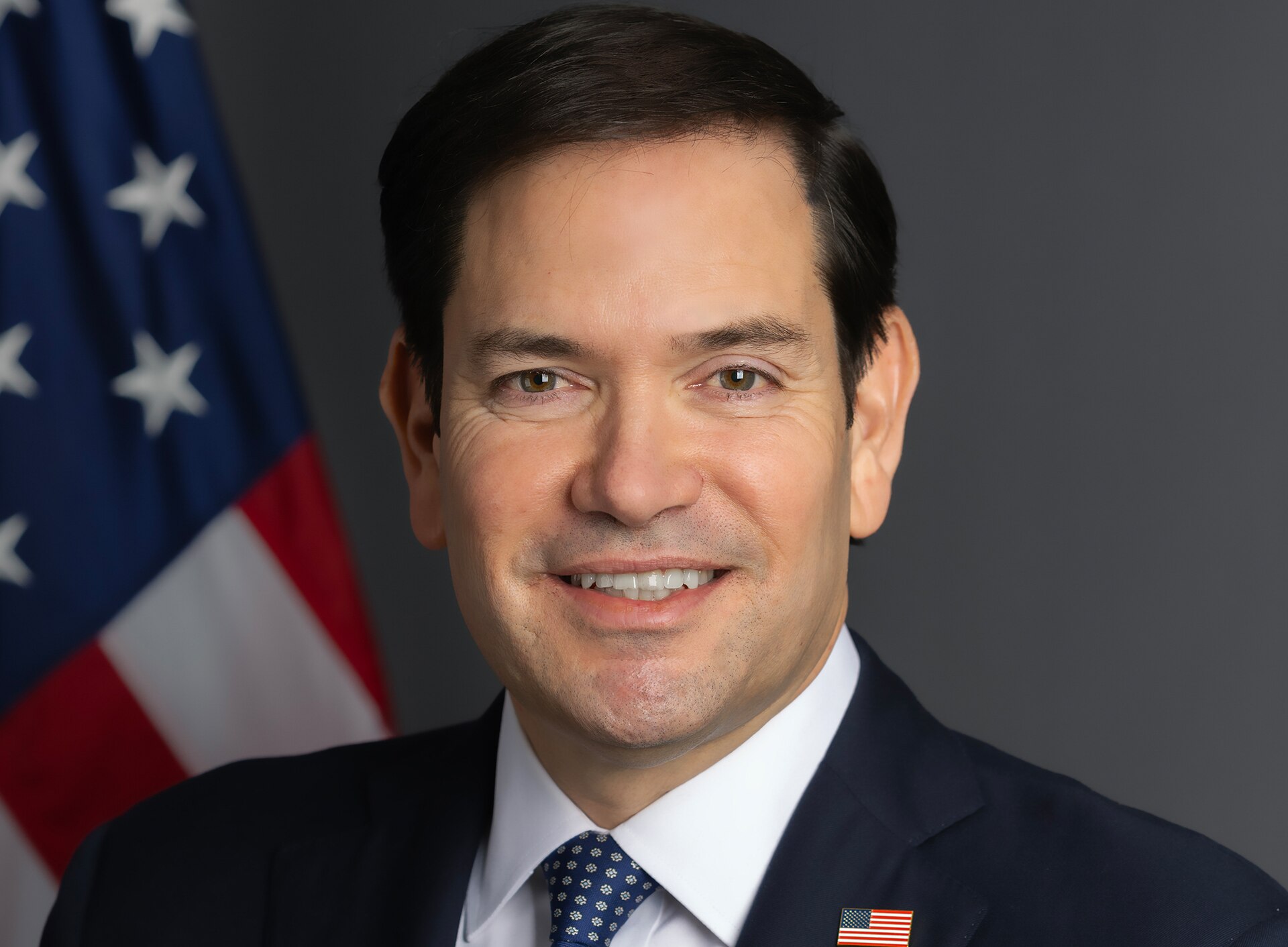
US Secretary of State Marco Rubio said on Monday 26 October 2026 that “we believe Cuba needs a very drastic change, and I will leave it there,” in the English rendering of a Spanish-language report by the news agency AFP. He spoke to journalists on a press teleconference and did not say what the change should be.
The remark came three days after Rubio urged Cubans to seek change through a partnership with the CIA and eight days before the US midterm elections. It also follows President Donald Trump’s talk of ships off Cuba at a Florida rally on Friday.
What Rubio Said on the Call
Asked why he had invited Cubans to contact the CIA instead of pursuing peaceful action, Rubio answered that he could not reply to that, AFP reports. He added that Cuba is “a very different case from Venezuela” and that he would say no more.
No official transcript of the call was found, so the quotes here are translated from AFP’s Spanish text. The wire was carried by the Bolivian outlet Unitel and by the Spanish-language Cuban news site Diario de Cuba.
The CIA Post That Came First
On Friday 23 October Rubio posted on social media that “now is the time” for those who seek positive change in Cuba, according to Euronews and Asharq Al-Awsat. He urged them to “seize this opportunity to create the change you desire through a discrete partnership with the CIA,” and he pointed to “failed promises, corruption, and the privileged lives of only a few.”
The CIA then posted a Spanish-language video with instructions for people who believe they hold information of interest, Asharq Al-Awsat reports. The advice includes a VPN, a private browser window and an email address not tied to the sender’s identity.
Trump, Venezuela and the Pressure Campaign
Trump told a rally in Florida on Friday that a warship returning from the Middle East would stop off the coast of Cuba and that he would then “send Marco Rubio in to finish up the deal,” according to Asharq Al-Awsat. AFP describes Cuba’s economy as badly strained since the United States removed Venezuelan leader Nicolás Maduro, Havana’s main regional ally, in January.
Euronews adds that Trump announced an oil blockade of Cuba in January, after the operation that captured Maduro. The United States recognised Delcy Rodríguez as Venezuela’s head of state on 5 March, according to Treasury’s Federal Register notice of 26 October.
A Meeting With the Military
Diario de Cuba reports that Mike Hammer, the head of the US diplomatic mission in Havana, met General Francis Donovan, who leads Southern Command, on Monday 26 October. The US Embassy in Cuba announced the meeting in a short post saying there is “a lot to talk about regarding Cuba,” in the newspaper’s translation of the Spanish original.
The newspaper adds that Donovan made an operational visit to the Guantánamo Naval Base about three weeks earlier. No plan for military action has been announced in the sources reviewed, and Rubio did not threaten any in the remarks reported.
What Prediction Markets Say
On Polymarket, an online prediction market, bettors give 8.5% to a US strike on Cuba by 31 December, down about six percentage points over the past month, with about US$5.5 million traded on that contract (3:40 a.m. ET, 27 October). The contract pays only if a US air, drone or missile strike physically hits Cuban soil, so artillery fire, naval shelling, ground incursions or cyberattacks would not count.
A separate contract on Miguel Díaz-Canel leaving power by 31 December stands at 8%, with about US$781,000 traded, and it pays if he ceases to be President of Cuba, including by resignation, detention or effective removal. These prices are bets, not polls, and they do not show what Rubio’s remark means for either outcome.
Why we show this: prediction markets turn real-money bets into a live probability that moves within minutes of the news, which is why investors, campaigns and newsrooms in the United States now follow them closely. We show them next to polls and official results, never instead of them.
What It Means for You
For US readers the remark signals that Washington wants far-reaching change in Cuba rather than small steps, and it adds no sanction or rule by itself. A proposed Treasury rule, published in the Federal Register on Monday 26 October, separately lists Cuba among the countries of concern for certain US technology investments, with public comments open until 7 December.
Travellers, remitters and companies with Cuban exposure should watch the State Department and Treasury for new measures, because the pressure is rising ahead of the 3 November midterms. Readers who want the longer background can use the Rio Times Cuba country page, which collects the coverage.
What Is Not Known
The State Department transcript of the 26 October call could not be opened, so Rubio’s words rest on AFP’s Spanish report and the English wording may differ slightly. It is also not known what the “very drastic change” would involve, or whether the CIA appeal has produced any contact.
No reaction from Havana to Monday’s remark appears in the sources reviewed. The date of this year’s UN General Assembly vote on the embargo is also unconfirmed, after a 165 to 7 vote with 12 abstentions on 29 October 2025.
Frequently Asked Questions
What did Rubio say about Cuba on 26 October?
He told reporters on a press call that Cuba needs “a very drastic change” and that he would say no more, AFP reports. He did not spell out what the change should be.
Did Rubio ask Cubans to work with the CIA?
Yes, in a social media post on Friday 23 October he urged people seeking change in Cuba to form “a discrete partnership with the CIA.” On Monday he told reporters he could not answer why he chose that route.
Is a US strike on Cuba planned?
No strike has been announced in the sources reviewed, and Rubio did not threaten one in the remarks reported. Polymarket bettors put the chance of a US strike by 31 December at about 8.5%.
How is Cuba different from Venezuela, according to Rubio?
Rubio called Cuba “a very different case from Venezuela” and gave no detail. US forces removed Venezuelan leader Nicolás Maduro in January, which AFP cites as background.
What happens next in US policy on Cuba?
The UN General Assembly is due to take up Cuba’s annual resolution against the embargo, and US midterm elections follow on 3 November. No date for talks between Washington and Havana has been reported.
Sources: Diario de Cuba, 26 October 2026; Unitel (AFP wire), 26 October 2026; Diario de Cuba on the Hammer meeting, 26 October 2026; Euronews, 24 October 2026; Asharq Al-Awsat, 24 October 2026; Federal Register, Treasury proposed rule, 26 October 2026; United Nations News, 29 October 2025.
This article was drafted with automated assistance and reviewed before publication. How we use AI · Report an error · Editorial responsibility: Matthias Camenzind, Editor-in-Chief
Cuba and the United States
- What Is Going On Between Cuba and the United States?
- What Is Going On Between Cuba and the United States?
- Can Americans Still Travel to Cuba in 2026?
- Who Runs Cuba in 2026? Raúl Castro and the US Murder Charge